

1920s Wall Art
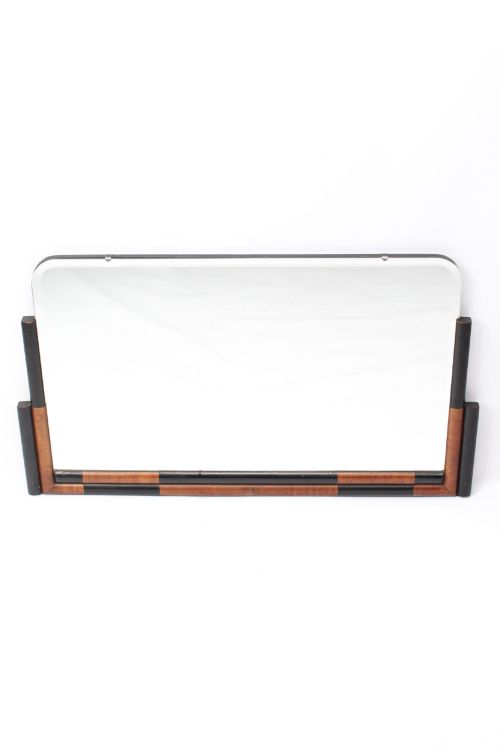
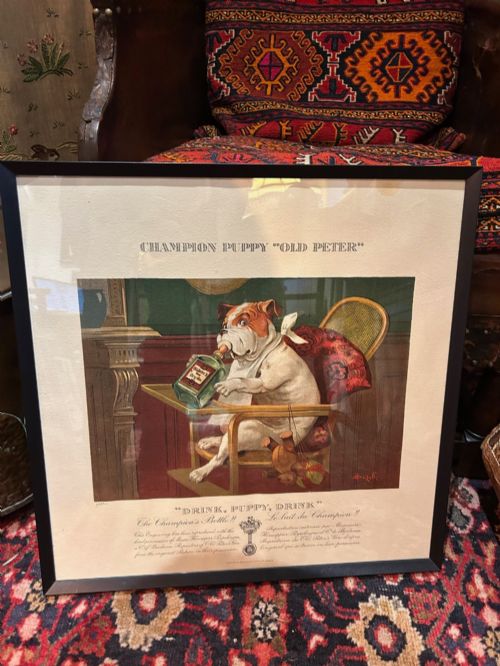
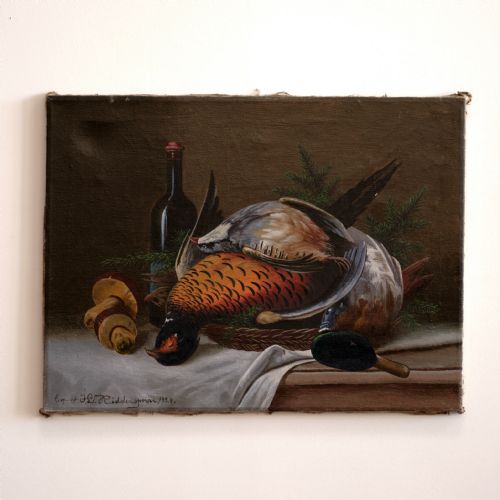
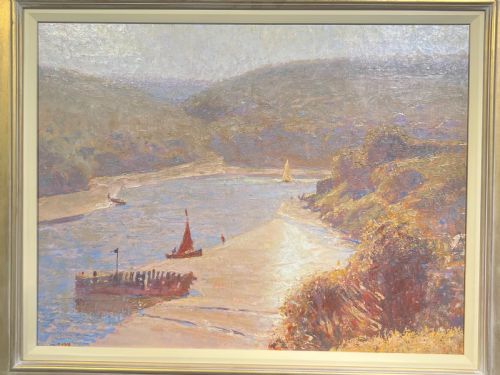
When you search for 1920s wall art, you encounter oil paintings, mirrors, posters and metal signs that define the decorative character of the period.
1920s Wall Art
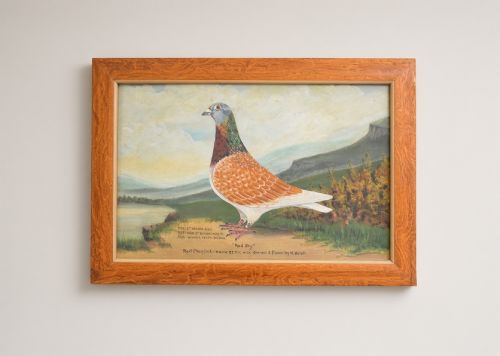
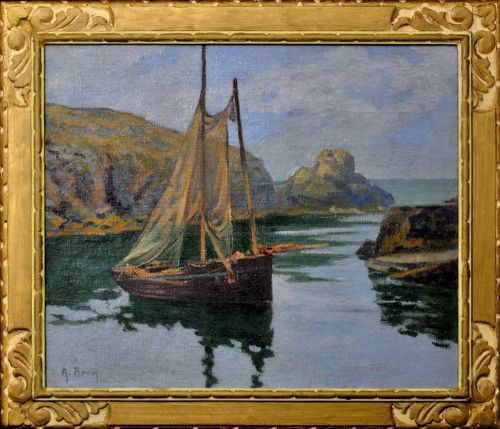
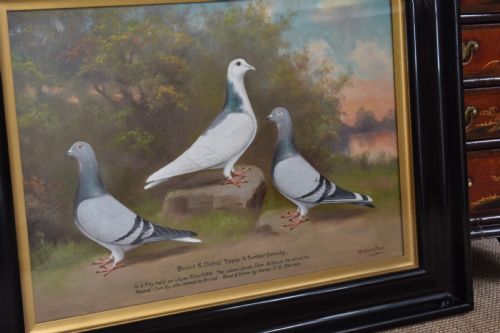
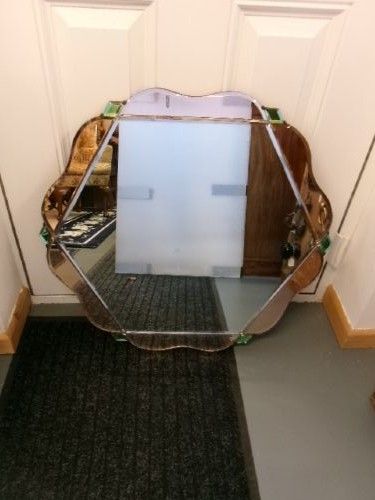
1920s wall art covers a diverse range of objects designed to hang or mount on vertical surfaces, bridging utilitarian signage and fine studio painting. Buyers searching this phrase meet oil on canvas works, framed prints, advertising posters, etched plates, photographic prints and wall-mounted mirrors.
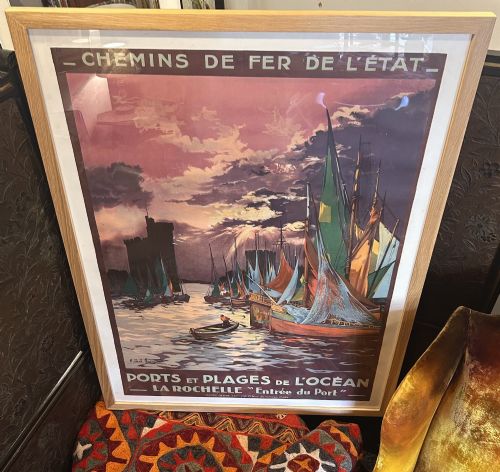
The selections span distinct stylistic movements including Art Deco, Post-Impressionism, Fauvism, Interwar Realism and Folk Art. Works range from French railway posters and photographic contact sheets to rural landscape oils and modernist compositions.
Materials and construction methods
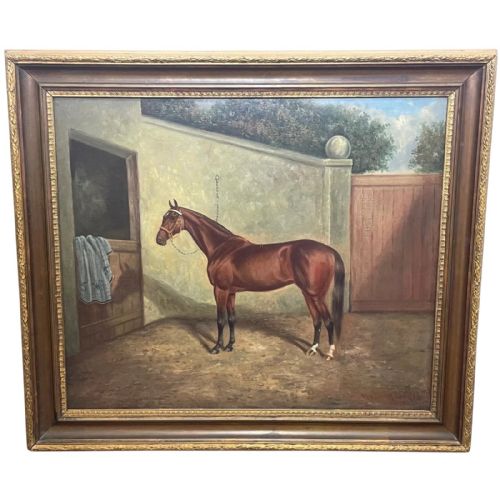
Oil on canvas and oil on board provide the primary medium for paintings, often utilising traditional stretchers and frames in oak, walnut or ebonised wood. Etchings and prints utilise paper substrates alongside signed artist proofs and photographic emulsions.
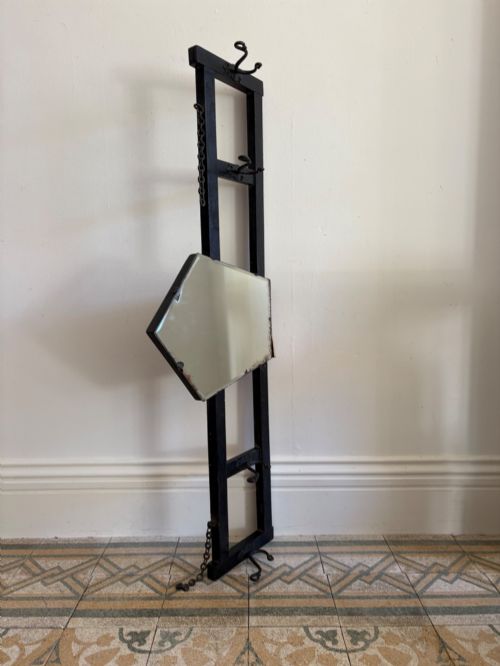
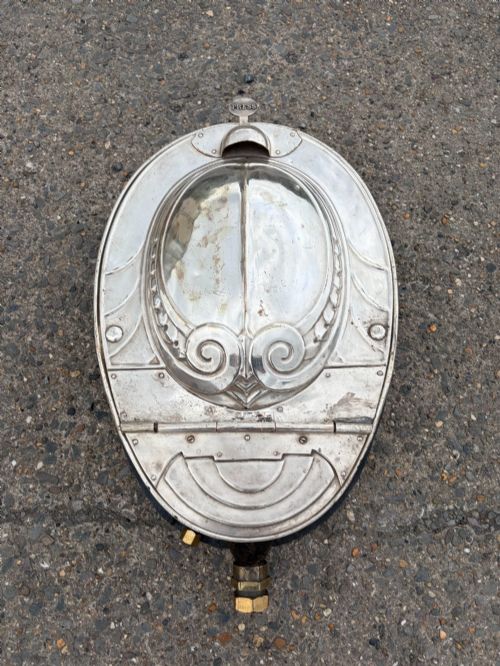
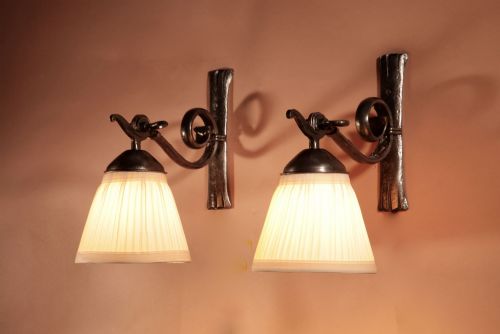
Mirrors and functional wall objects combine glass, silver plate and bevelled panels with metalwork structures such as wrought iron frames and brass fittings. Enamel and glass signage employ specialist vitreous and reverse-painting techniques.
1920s Wall Art Retail Price Guide 2026
Typical asking prices for 1920s wall art among the pieces listed under this phrase on Sellingantiques today, from the lower quarter to the upper quarter. They describe what is for sale here now, not the wider market.
Listings feature oil on canvas paintings, wall mirrors, framed prints, enamel signs and wrought iron coat racks from the nineteen-twenties.
Markers of distinction
Quality rests upon the execution of the hand, whether in the brushwork of an oil painting, the crispness of an etching line or the clarity of a signed photographic print. Listed works bearing documented signatures or artist attributions command greater attention.
The integrity of the physical components dictates overall standard, from the preservation of original glass and framing to the weight and finish of wrought iron mounts and multi-tone glass panels.
Marcellin Auzolle·Frederick Albert Clark·Eugene Canneel·Herbert Dicksee·Louis Icart·Sydney Wilson·Julian Mandel·Raymond Moritz·Louis Suire·Georges Goursat·Takabatake Kasho·Owen Bowen
The 1920s Wall Art Glossary
- Art Deco
- A design style characterised by sleek geometric shapes, stylised motifs and streamlined forms popular during the interwar years.
- Etching
- A printmaking process where acid cuts into uncoated areas of a metal plate to hold ink for the impression.
- Fauvism
- An early twentieth-century painting movement noted for strong brushwork and vibrant, non-naturalistic use of colour.
- Mezzotint
- A printmaking method of the intaglio family where tones are developed by roughening the metal plate with a rocker.
- Artist proof
- An impression of a print taken in the printmaking process to check the state of the plate before the edition is printed.
1920s Wall Art: Frequently Asked Questions
What periods do these pieces date from?
The items generally concentrate around the interwar decades, specifically the nineteen-twenties and adjacent years from nineteen hundred to nineteen forty.
Creators and manufacturers working during this timeframe produced the paintings, mirrors and signs catalogued across these listings.
How do I identify Art Deco wall pieces?
Art Deco wall items typically feature geometric symmetry, bevelled glass panels, multi-tone surfaces and wrought iron framework. These characteristics reflect the modernist shift away from ornate nineteenth-century decoration.
The aesthetic prioritises clean lines, stylised motifs and industrial materials adapted for domestic and commercial interiors.
Are framed prints original period works?
Many prints, etchings and posters originate directly from the period, produced as signed artist proofs, advertising posters or limited editions. Photographic sheets and railway posters also date authentically to the era.
Examining the paper stock, printing technique and framing helps confirm the period production of each piece.
How were heavy mirrors and signs mounted?
Mirrors and heavy signs often utilise integrated wooden backboards, secure wrought iron brackets or specialised wall-mounting fixtures designed to distribute weight evenly. Wrought iron coat racks combine mounting brackets directly with structural frames.
Evaluating the original hanging hardware ensures safe installation on standard domestic walls.