



1920s Vanity Table
A 1920s vanity table brings the geometry of Art Deco and the warmth of burr walnut into the modern bedroom.
1920s Vanity Table
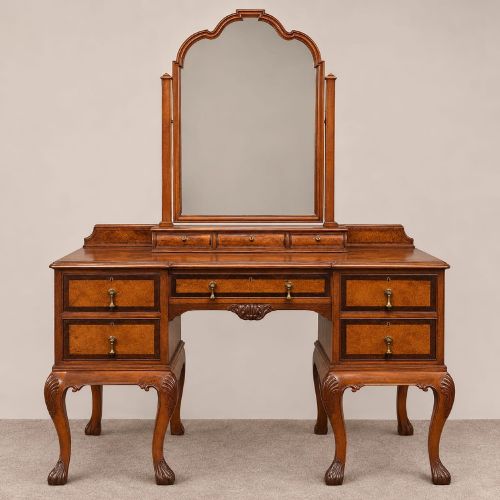
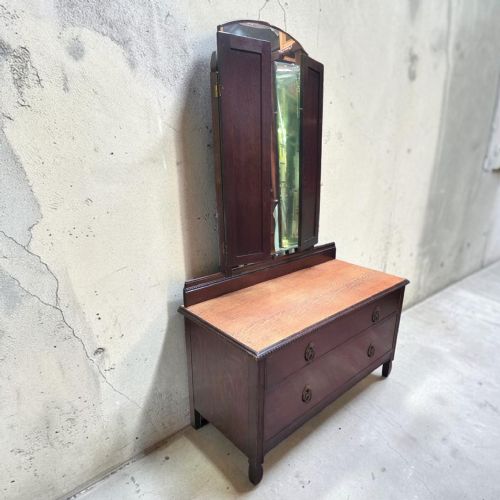
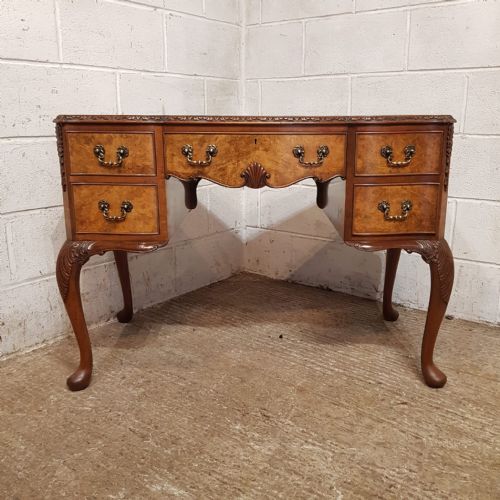
A 1920s vanity table is typically encountered as a serpentine-fronted dressing table in burr walnut, an oak dressing chest with a triple mirror, or a limed oak suite from makers such as Heals. These pieces reflect the shift from traditional revival styles towards streamlined modernist bedroom furniture.
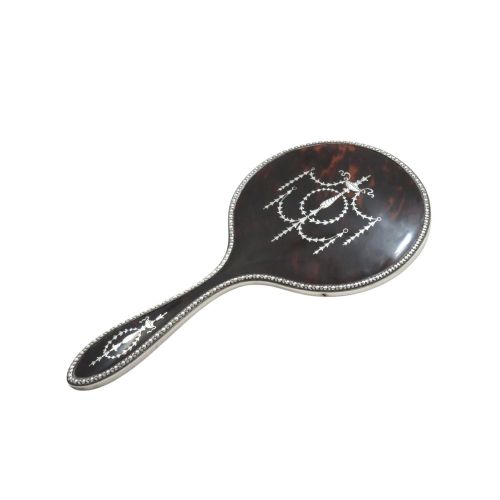
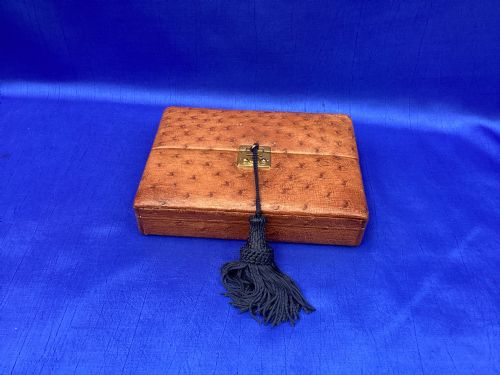
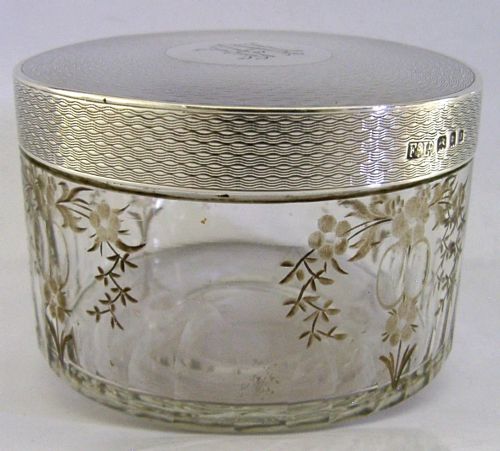
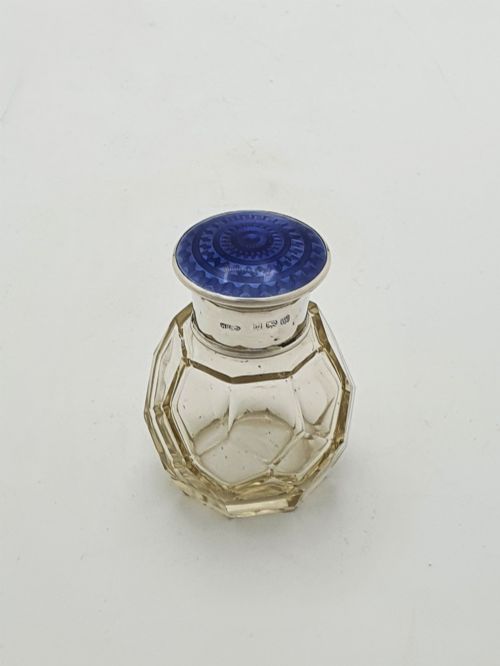
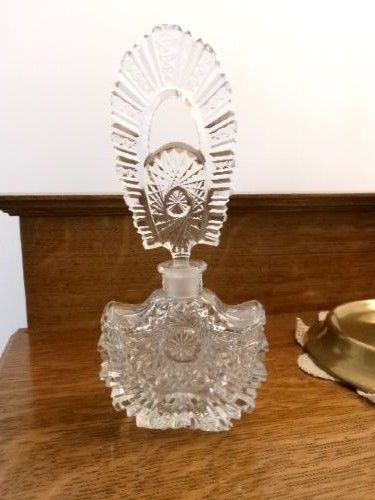
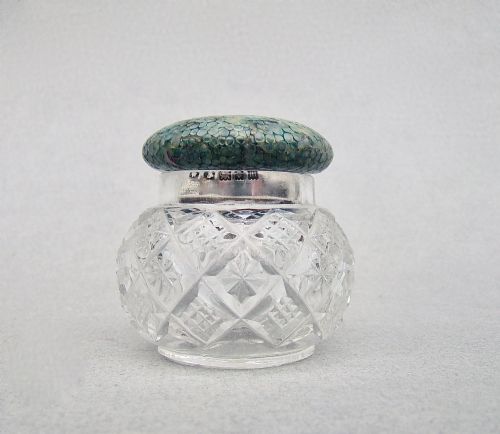
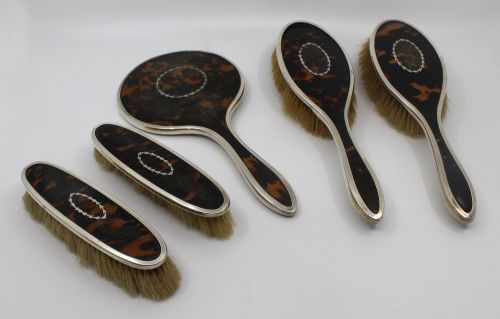
Beyond the main tables, the category encompasses smaller dressing table items used for daily grooming, including sterling silver and guilloche enamel vanity sets, cut glass scent bottles, and ceramic powder boxes.
The objects span the 1920s and 1930s, capturing both the decadent craftsmanship of the post-first world war years and the emerging clean lines of the Art Deco movement.
How they were made
Makers utilised figured timbers like burr walnut and oak, shaping them into serpentine forms or constructing sturdy dressing chests with functional drawer configurations.
Surface ornamentation involved intricate guilloche enamel work on sterling silver mounts, alongside cut glass and coloured glass vessels produced by notable glasshouses.
1920s Vanity Table Retail Price Guide 2026
Typical asking prices for 1920s vanity table among the pieces listed under this phrase on Sellingantiques today, from the lower quarter to the upper quarter. They describe what is for sale here now, not the wider market.
Several dressing sets include delicate natural bristle brushes that survived a century of daily primping without losing a single hair.
What varies in quality
The distinction between standard pieces and finer examples rests upon the choice of timber veneers, such as richly figured burr walnut against plain oak, and the crispness of the carving or shaping.
In the associated tabletop items, quality is determined by the preservation of the guilloche enamel, the weight of the sterling silver mounts, and the clarity of the cut glass.
A. J. Pepper & Co·Henry Clifford Davis·Crisford & Norris·Henry Perkins·Barnsley & Co·Adie Brothers Ltd
The 1920s Vanity Table Glossary
- Guilloche enamel
- A decorative technique where a geometric pattern is engraved beneath a translucent layer of coloured enamel, frequently seen on silver vanity pieces from this period.
- Serpentine front
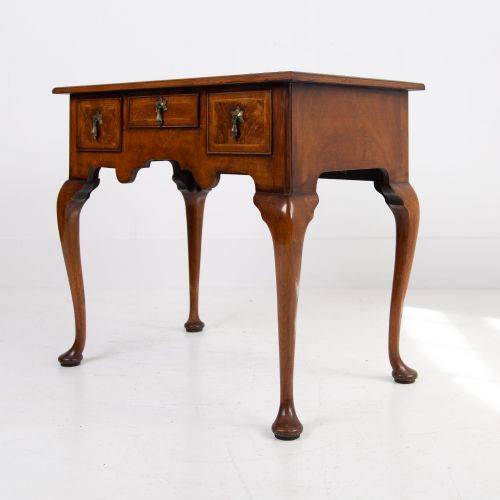
- A curved furniture front characterised by a convex centre flanked by concave ends, common on finer dressing tables and lowboys.
- Limed oak
- A wood finish created by applying a white or pale compound into the grain of oak timber, popularised in modern bedroom suites.
- Lowboy
- A small dressing table or side table featuring drawers beneath a flat top, supported by four legs.
- Hat pin holder
- A small vertical receptacle designed to hold decorative hat pins, often executed in silver during the George V era.
1920s Vanity Table: Frequently Asked Questions
How do I care for a burr walnut dressing table?
Keep wooden surfaces away from direct sunlight and excessive heat to prevent the walnut veneer from drying out or splitting over time. Polish gently with a soft cloth using natural beeswax to maintain the sheen.
Avoid placing damp perfume bottles or uncovered glasses directly onto the bare wood to prevent water rings and staining on the antique finish.
Were these tables sold as complete bedroom suites?
Many dressing tables were produced as part of larger matching bedroom suites that included wardrobes and chests of drawers. Manufacturers such as Heals offered coordinated limed oak furniture for unified interior schemes.
Individual dressing tables and chests were also retailed separately, allowing buyers to mix pieces within a bedroom.
How do I clean antique sterling silver and enamel?
Use a dedicated soft microfibre cloth to polish the sterling silver mounts, taking care to avoid abrasive dips that might damage surrounding materials. Keep silver polish well away from any glass or enamel surfaces.
Enamel sections require only a gentle wipe with a dry or very slightly damp cloth to remove dust without compromising the glass coating.
What is the difference between Art Deco and earlier revival styles?
Art Deco pieces embrace bold geometric shapes, streamlined silhouettes, and smooth surfaces intended to project modernity. These contrast sharply with the traditional curves and historicism of Queen Anne and Jacobean revival furniture.
Both stylistic approaches overlap during the early twentieth century, resulting in dressing tables that combine traditional cabinetmaking with emerging modernist details.