

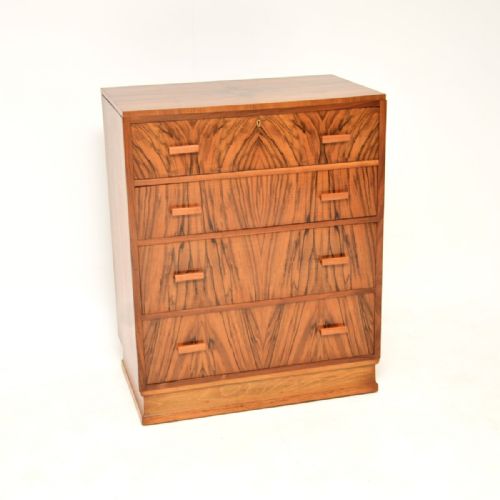


1920s Storage Chest
These pieces for a 1920s storage chest bring practical utility together with the distinctive cabinet-making and trunk design of the early twentieth century.
1920s Storage Chest
A 1920s storage chest encompasses a varied selection of domestic utility forms, from traditional wooden drawer chests to travel trunks and specialised cabinets. When searching this phrase, you encounter standard bedroom chests, tallboys, travel luggage, and workshop filing units.
The material palette is predominantly wood, utilising walnut, burr walnut veneer, and mahogany, alongside metal and leather for travel pieces. Stylistic influences range from Art Deco and George V designs to revival styles such as Queen Anne and Chippendale.
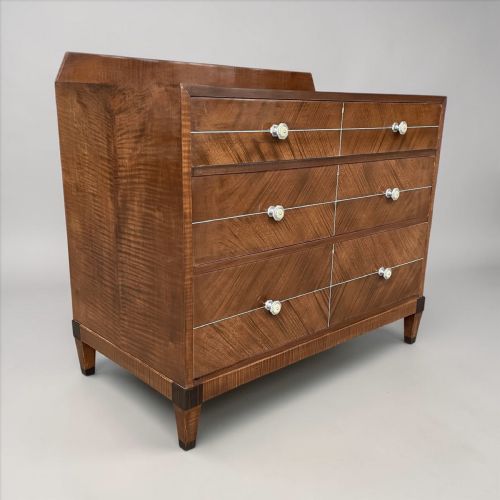
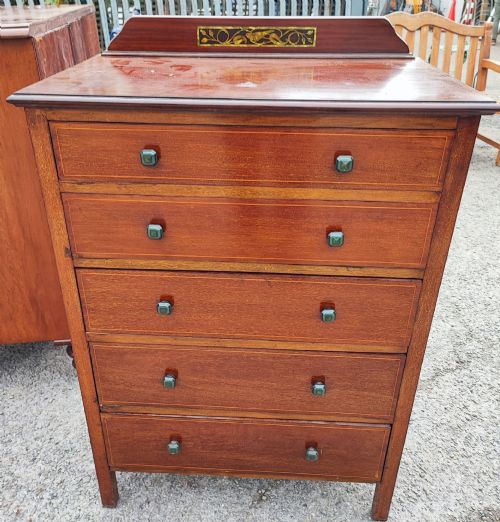
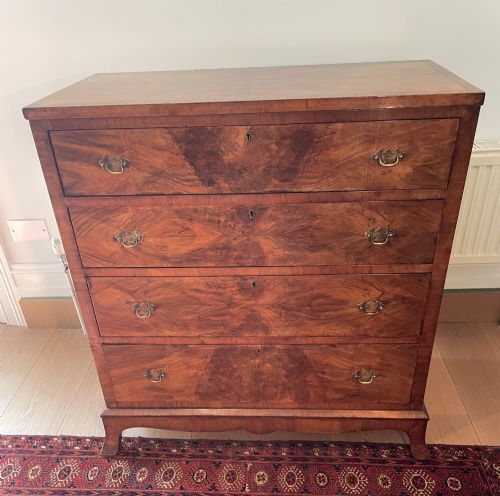
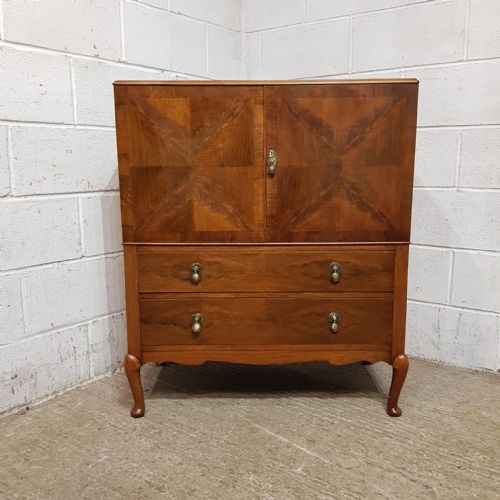
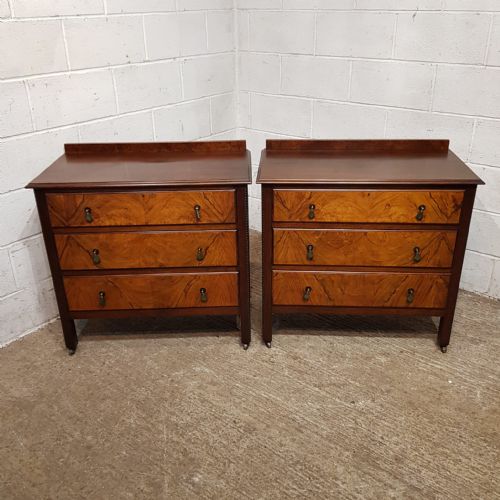
The most common formats on this page are walnut chests of drawers and tallboys, frequently featuring the distinct grain patterns of burr walnut. Alongside these domestic case pieces appear travel trunks with original hardware and industrial filing cabinets.
How they were made
Makers constructed these storage pieces using solid timbers and decorative veneers applied to carcases. Burr walnut and figured walnut veneers create striking patterns across drawer fronts and tallboy doors, supported by solid mahogany and general wood structures.
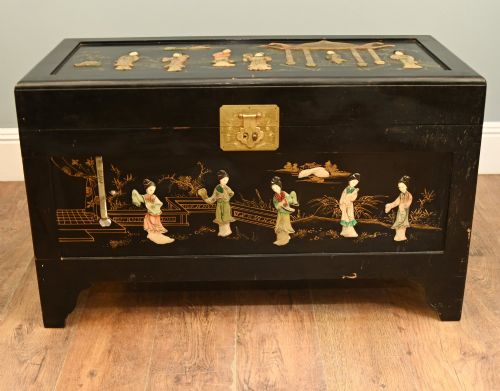
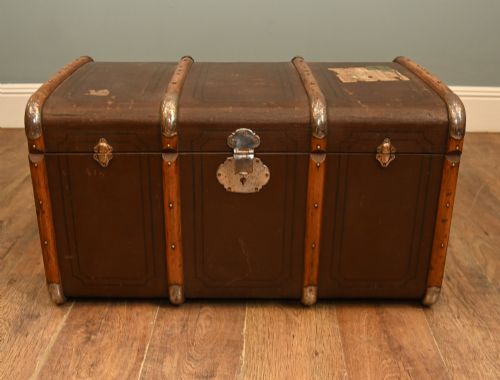
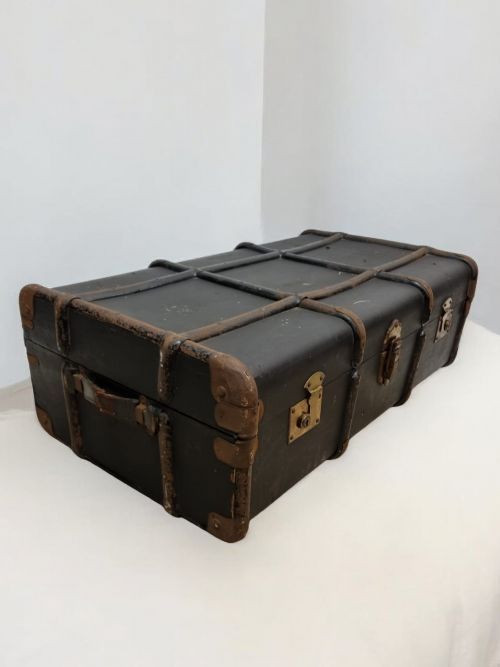
Travel pieces and trunks rely on durable materials like leather, wood, and metal, incorporating robust original hardware for functional transport. Specialised items integrate marble tops, brass fittings, and lacquer finishes depending on their geographic origin and intended utility.
1920s Storage Chest Retail Price Guide 2026
Typical asking prices for 1920s storage chest among the pieces listed under this phrase on Sellingantiques today, from the lower quarter to the upper quarter. They describe what is for sale here now, not the wider market.
Travel trunks arrive ready for an ocean voyage, complete with original stenciled monograms and sturdy brass hardware.
What varies in quality
The standard of timber selection and veneer matching defines the upper tier of these pieces. Fine examples display carefully aligned burr walnut grain across multiple drawer heights, whereas simpler utility items utilise plain mahogany or mixed woods.
Hardware preservation and structural integrity distinguish exceptional items from standard ones. Original brass handles, locks, and metal trunk mountings retain the authentic character that distinguishes workshop creations from Heal's or Waring & Gillows.
Heal's·Waring & Gillows·Louis Vuitton
The 1920s Storage Chest Glossary
- Tallboy
- A tall chest of drawers, often comprising a chest placed on top of another section or built as a single high unit. These provide substantial vertical storage capacity.
- Steamer Trunk
- A low-profile travel chest designed to fit beneath a cabin berth on a steamship. They utilise durable wood, leather, and metal reinforcement.
- Commode
- A low chest of drawers or cabinet, frequently associated with French design and often finished with a marble top. They combine decorative appeal with practical containment.
- Coffer
- A heavy box or chest traditionally used for holding valuables or linens. These pieces often feature detailed carving, lacquer, or metal strapping.
1920s Storage Chest: Frequently Asked Questions
What defines a 1920s storage chest?
These pieces include wooden chests of drawers, tallboys, travel trunks, and industrial cabinets made during the 1920s and 1930s. They reflect the transition from traditional revival styles to streamlined Art Deco design.
Materials range from burr walnut and mahogany to leather and metal hardware. Each form serves a specific domestic, travel, or workshop storage function.
How do I identify an Art Deco chest?
Art Deco pieces from this era typically feature geometric symmetry, clean lines, and highly figured walnut veneers. They emphasise the natural decorative patterns of the wood rather than applied carving.
Tallboys and chests of drawers from this style avoid excessive ornamentation in favour of sleek, balanced proportions.
Where were travel trunks used?
Travel trunks and steamer luggage were built for personal transport during ocean voyages and long-distance rail journeys. Their robust construction protected clothing and belongings through transit.
They incorporate reinforced corners, original metal hardware, and durable leather or wooden shells.
How do I care for walnut veneer?
Burr walnut and walnut veneer require stable environmental conditions away from direct sunlight and excessive heat. Maintaining consistent humidity prevents the wood from drying and the veneer from lifting.
Gentle dusting with a dry cloth preserves the polished surface without damaging the historic finish.