


1920s Silver Bowl
A 1920s silver bowl brings geometric grace and brilliant metalwork to a table, offering a functional centrepiece defined by the confident style of the interwar years.
1920s Silver Bowl
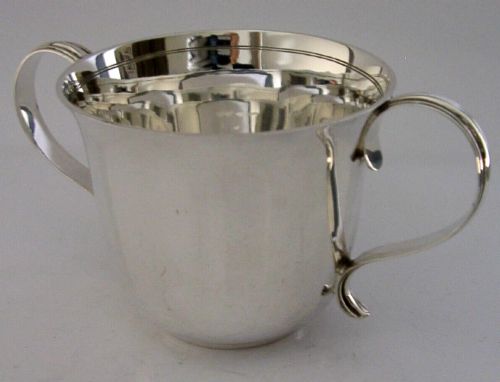
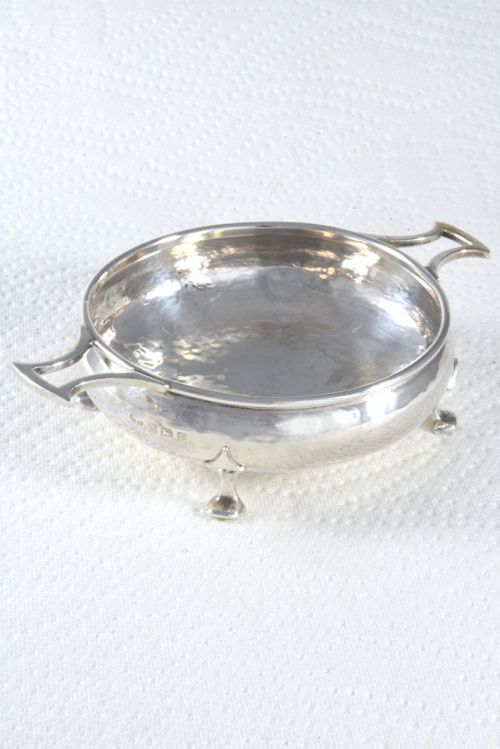
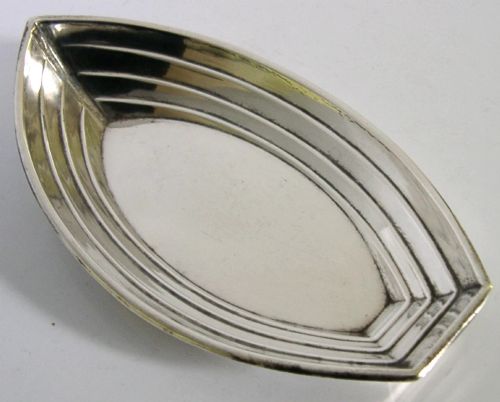
A 1920s silver bowl encompasses everything from heavy sterling porringers and footed fruit vessels to delicate silver-plated bonbon dishes and novelty boat designs. The examples found here span formal centrepiece bowls from the early part of the decade alongside pieces touched by the rising influence of Art Deco geometry.
Most pieces date directly to the 1920s, while related items reach into the Edwardian era, the 1910s and the 1930s. Alongside solid sterling silver, many domestic items employ silver plate, often combined with cut glass, cranberry glass, enamel, ebony and tortoiseshell to create striking contrasts in texture and tone.
Materials and construction
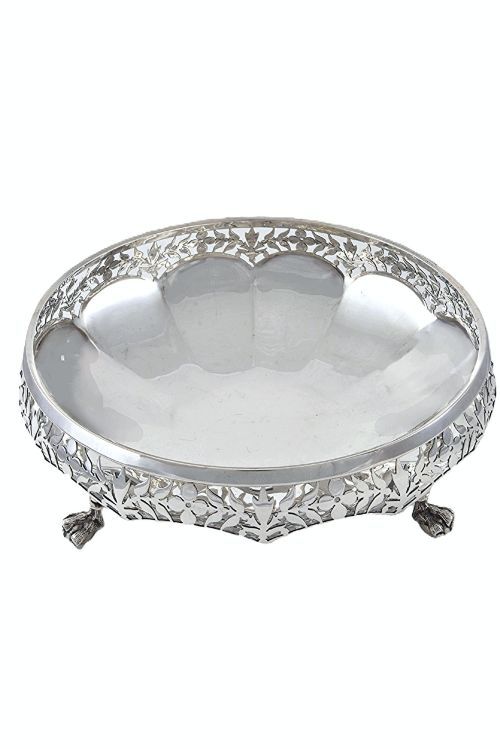
Makers shaped sterling silver and silver plate through hammering, piercing and lattice work to achieve light, open structures like footed fruit baskets and pierced bowls. Heavy gauge metal provided the substance for two-handled porringers and large pedestal vessels designed for daily domestic utility.
Craftsmen integrated contrasting elements such as deep blue or coloured enamel lids, tortoiseshell inlays and cut glass inserts. Metal components frequently received hallmarks from assay offices like Birmingham and Edinburgh, or maker stamps from firms such as Walker & Hall, Fenton and WMF.
Listings feature items spanning the 1910s, 1920s, 1930s and Georgian periods, alongside materials including sterling silver, silver plate, cut glass, enamel, ebony and tortoiseshell.
Distinctions in quality
The standard of a piece rests upon the weight of the metal, the crispness of any pierced lattice detail and the integrity of supplementary materials like enamel or glass. Heavy sterling silver pieces with clear hallmarks from established makers demonstrate superior material value compared to lighter silver-plated alternatives.
Artistic execution dictates distinction, seen in the precision of engraved ornamentation, the smoothness of hammered pewter surfaces and the secure fitting of lidded glass or tortoiseshell components. Intact enamel panels and well-preserved silver plating without excessive base metal exposure separate finer decorative items from standard tableware.
Wallace·Hamilton & Inches·WMF·Fenton·Walker & Hall·Bernard Instone
The 1920s Silver Bowl Glossary
- Porringer
- A shallow bowl equipped with one or two flat horizontal handles. These vessels date back centuries but appear in heavy sterling silver forms during the 1920s.
- Bonbon dish
- A small, decorative open vessel intended for holding sweets or small confectionery. They often feature pierced lattice decoration or footed bases.
- Taza
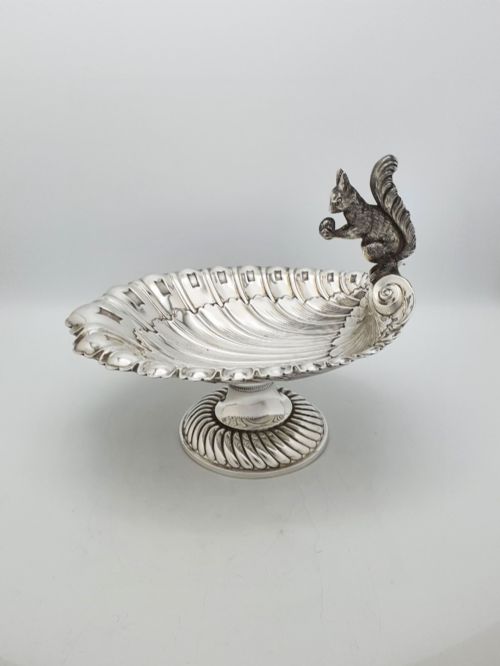
- A footed plate or shallow bowl raised on a central pedestal. This form frequently adopts clean lines associated with Art Deco design.
- Pierced work
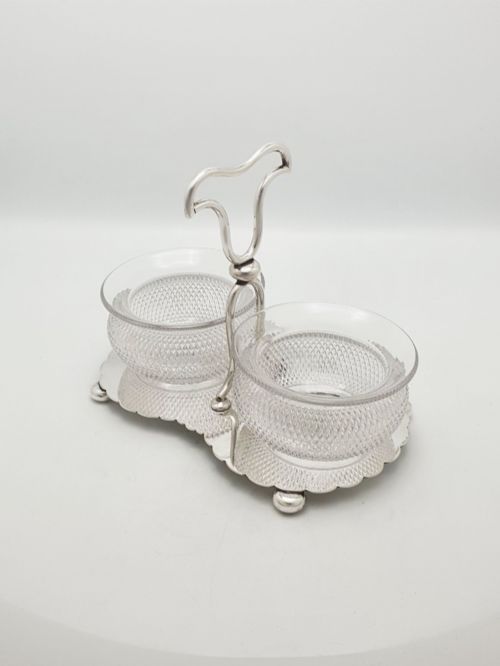
- Metal perforated with geometric or floral patterns to lighten the appearance of a vessel. This technique appears on lattice bowls and condiment stands.
- Quaich
- A traditional Scottish two-handled drinking vessel or small bowl. Examples from this period occasionally incorporate enamel work by notable craftspeople.
1920s Silver Bowl: Frequently Asked Questions
Are 1920s silver bowls made of solid silver?
The pieces available include both solid sterling silver and silver plate over base metals. Hallmarks stamped into the metal usually indicate solid silver standard.
Items described as silver-plated use a thin layer of silver applied over metals like pewter or copper. Checking for maker marks and assay stamps clarifies the composition of each specific bowl.
How do I clean a silver bowl from this era?
Gentle washing with warm water and mild soap removes daily dust without harming the metal surface. Soft cloths prevent scratching on delicate silver-plated or solid sterling pieces.
Special care is necessary for bowls incorporating enamel, tortoiseshell or glass inserts. Avoiding harsh chemical dips preserves the original polish and prevents damage to non-metal components.
What is the difference between a tazza and a centrepiece bowl?
A tazza stands upon a distinct central pedestal, elevating the shallow dish above the table surface. These forms often reflect Art Deco styling from the 1910s and 1920s.
Centrepiece bowls sit lower, sometimes resting on small feet or directly on the base. They offer a wider basin suited for floating flowers or holding fruit.
How can I tell if a bowl is Art Deco?
Art Deco bowls display geometric patterns, sharp lines and symmetrical lattice detailing rather than flowing floral motifs. Hammered surfaces and contrasting materials like blue enamel or ebony also signal the style.
Earlier Edwardian pieces tend towards organic shapes and ornate grapevine detailing. Examining the decorative borders helps place a bowl within its stylistic decade.