



1920s Sideboard
A 1920s sideboard brings bold geometric lines or rich revival timbers into a dining space, offering both generous storage and striking period character.
1920s Sideboard
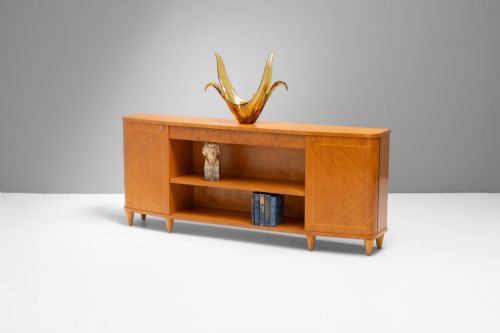
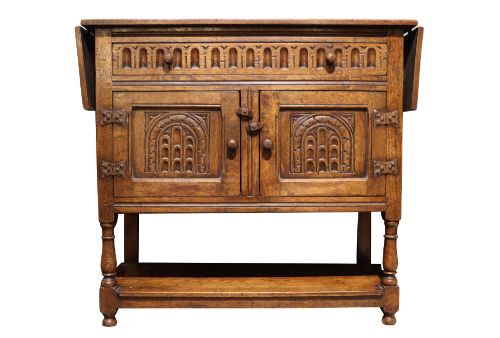
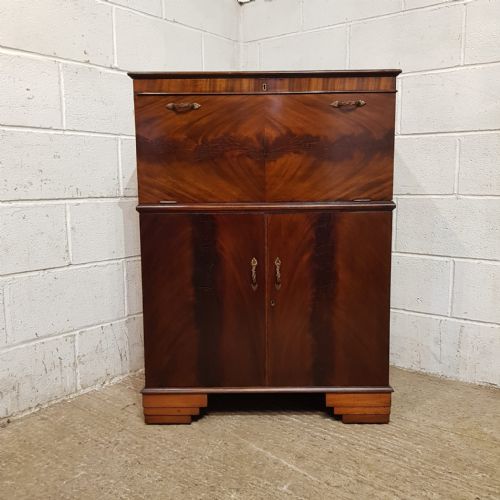
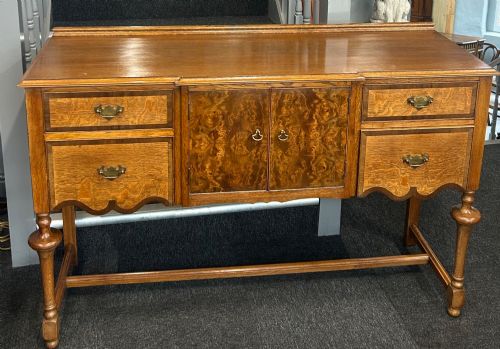
When searching for a 1920s sideboard, a buyer encounters a diverse group of dining furniture bridging late traditional revivals and modern design movements. The selection spans straightforward storage cupboards and side cabinets alongside grand serving tables.
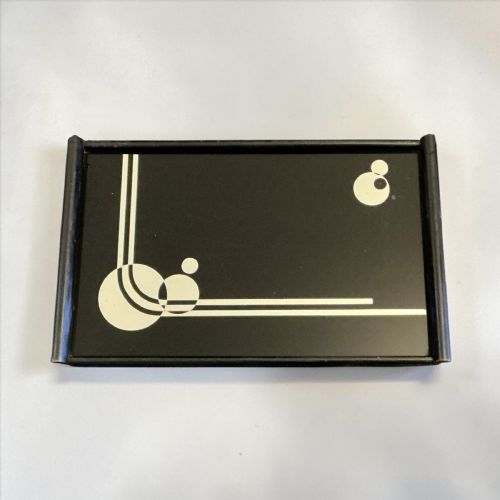
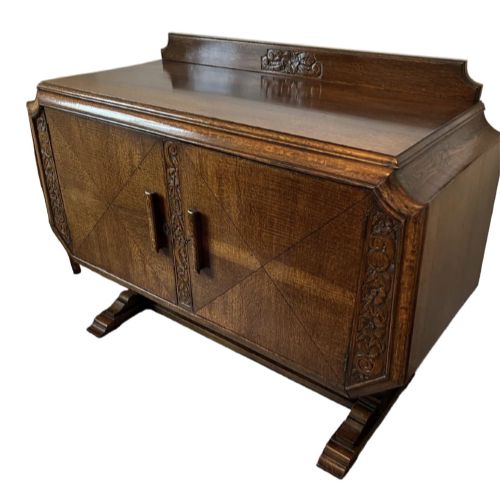
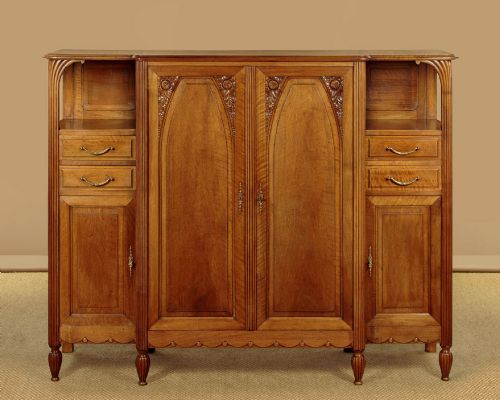
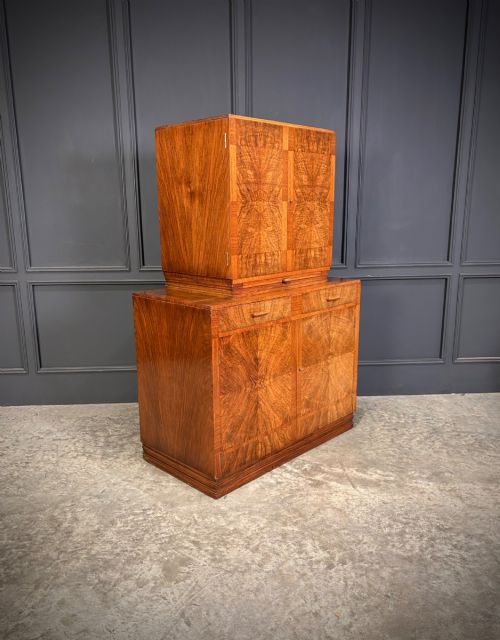
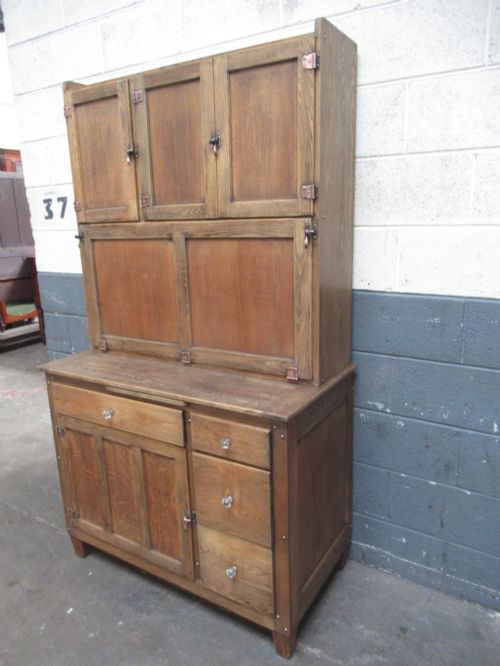
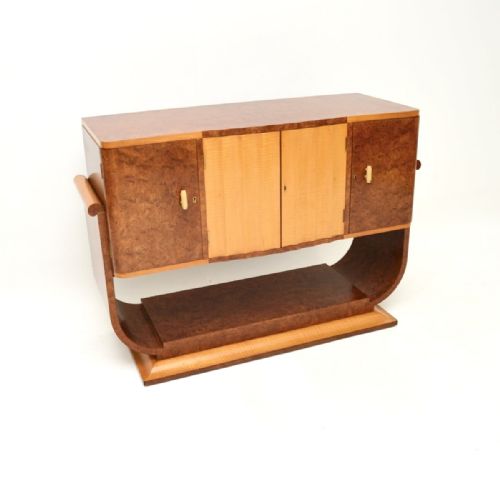
The most common examples on this page reflect the distinct aesthetic shifts of the decade, moving from heavy period revivals to sleek modernist lines. Walnut, oak, and exotic veneers dominate the forms, often paired with matching sideboards, buffets, and drinks cabinets.
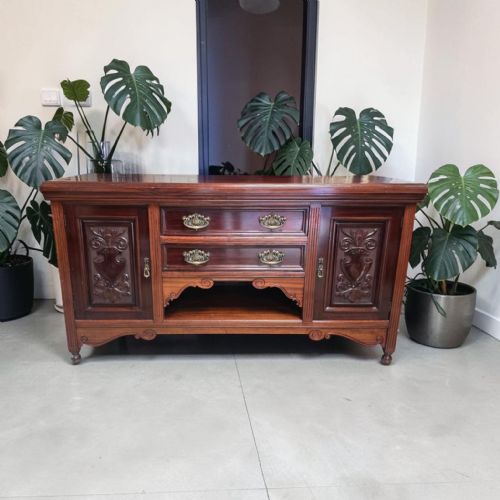
Pieces range from sturdy Edwardian-influenced oak constructions to streamlined Art Deco creations originating from British and continental workshops. These storage pieces served as functional dining room centerpieces and continue to provide practical interior utility.
How they were made
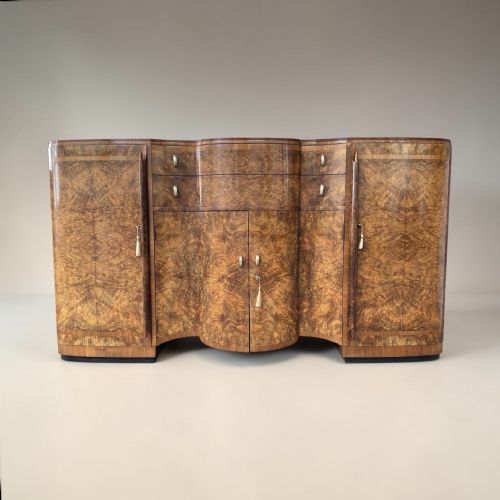
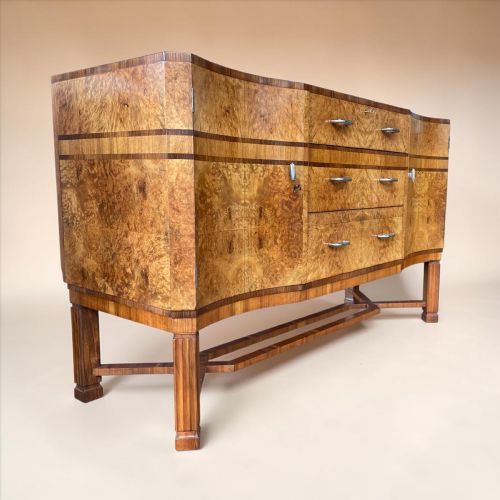
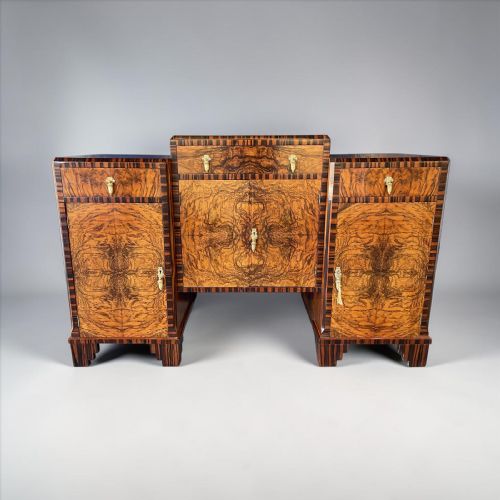
Cabinet makers utilised a foundation of solid timbers like oak and mahogany, frequently applying decorative veneers such as burr walnut, macassar, and calamander to exterior surfaces. These figured woods were carefully matched and laid out to create striking symmetrical patterns across doors and drawer fronts.
Construction techniques combined traditional joinery with the period's evolving decorative tastes, incorporating carved details on revival pieces or smooth, unblemished planes on modernist designs. Details like marble tops, brass fittings, and ormolu mounts added functional weight and visual contrast to the wood structures.
1920s Sideboard Retail Price Guide 2026
Typical asking prices for 1920s sideboard among the pieces listed under this phrase on Sellingantiques today, from the lower quarter to the upper quarter. They describe what is for sale here now, not the wider market.
Object forms span dedicated drinks cabinets, serving tables, and display cupboards alongside traditional dining sideboards.
What varies in quality
The distinction between standard commercial production and exceptional workshop output lies primarily in the selection of timber and the execution of veneers. Cabinets featuring highly figured burr walnut or exotic calamander, matched with precision, represent the higher tier of period craftsmanship.
Hardware, internal fittings, and structural joinery further separate the ordinary from the remarkable. Original marble tops, finely cast metal mounts, and signed or attributed workshop construction elevate a piece's material integrity and aesthetic presence.
Maurice Adams·Heals of London·M. D. Miller And Sons·Harry And Lou Epstein
The 1920s Sideboard Glossary
- Art Deco
- A design style characterised by sleek geometric shapes, stylised motifs, and modern industrial influences. It dominated decorative arts throughout the interwar period.
- Burr walnut
- A highly prized timber cut from the gnarled growths of walnut trees, displaying swirling, organic grain patterns. Cabinet makers used it to create decorative veneer panels on prominent surfaces.
- Jacobean Revival
- An architectural and furniture style emulating the heavy, dark oak designs of the seventeenth century. Pieces often feature deep carving, panelled doors, and barley twist legs.
- Macassar
- A dense, dark exotic wood featuring distinctive brown and gold striping. It was frequently utilised in high-end interwar French and international cabinet making.
- Swedish Grace
- A refined neoclassical design movement bridging classical tradition and early modernism in Sweden during the nineteen-twenties. It emphasised restrained elegance and balanced proportions.
1920s Sideboard: Frequently Asked Questions
What styles define a 1920s sideboard?
The period encompasses two distinct design directions, balancing ornate historical revivals against clean modernist lines. Buyers encounter heavy oak Jacobean styles alongside streamlined Art Deco and Swedish Grace forms.
Makers utilised traditional framing or smooth veneered surfaces depending on the prevailing aesthetic. This dual nature allows the furniture to suit both traditional dining rooms and contemporary interiors.
What materials were used in construction?
Solid woods such as oak and mahogany form the structural core of many pieces, often enhanced by decorative surface veneers. Burr walnut, calamander, and macassar provided dramatic grain patterns on cabinet fronts.
Additional materials include polished marble for serving tops, alongside brass and metal hardware. These varied elements contributed to both the durability and the visual weight of the furniture.
How do I identify an Art Deco sideboard?
Art Deco sideboards display characteristic geometric forms, symmetrical veneer layouts, and an absence of excessive historical carving. They often rely on the natural beauty of exotic woods like walnut or macassar to create visual impact.
Streamlined silhouettes and specialised hardware further distinguish these pieces from earlier revival furniture. Their design prioritised clean lines and functional elegance.
How were these cabinets used originally?
Sideboards functioned primarily as dining room storage for tableware, linen, and serving dishes. Many incorporated specialised compartments, such as lined drawers for silver or dedicated spaces for bottles.
Serving tables and drinks cabinets also emerged to accommodate the social habits of the era. They combined practical storage with a surface suitable for preparing and presenting refreshments.
How do I live with a period sideboard?
These large storage pieces anchor a room visually and offer substantial practical utility in modern homes. Their deep cupboards and drawers easily accommodate contemporary diningware and household items.
Placing them in dining spaces, hallways, or living areas allows the timber grain and period design to serve as a focal point. Regular maintenance with appropriate wood care preserves the finish of the delicate veneers.