



1920s Portrait Art
When you search for 1920s portrait art, you encounter expressive canvases, delicate works on paper, and bronze plaques that capture the distinctive spirit of the interwar years.
1920s Portrait Art
When exploring 1920s portrait art, buyers encounter a diverse selection of paintings, drawings, and sculptures created during a period of profound artistic transition. The category spans traditional oils on canvas, intimate watercolours, and detailed portrait miniatures capturing individual likenesses and contemporary archetypes.
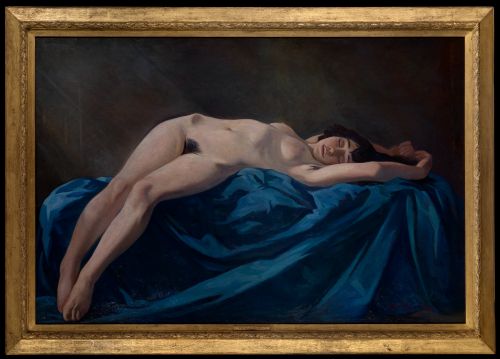
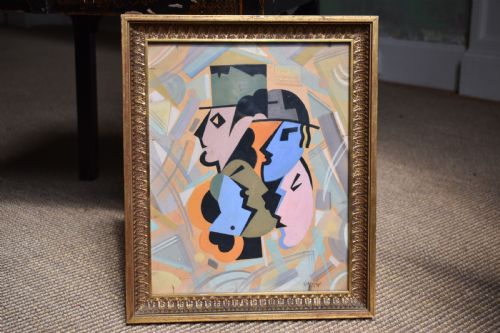
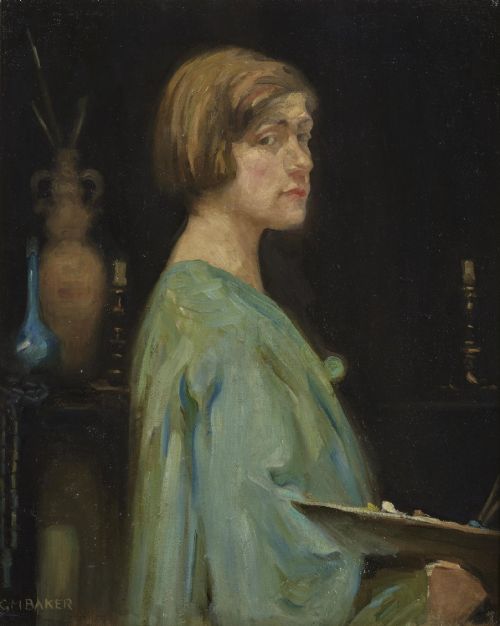
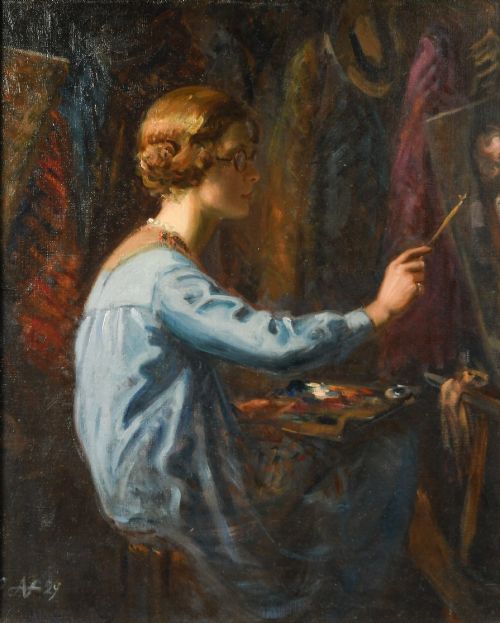
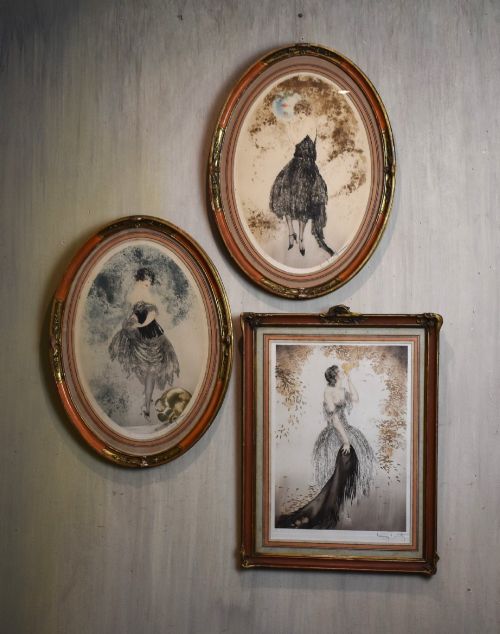
Most pieces on this page reflect the prominent aesthetic currents of the decade, including Art Deco styling, interwar realism, and early twentieth-century modernism. Subjects range from self-portraits by notable artists and depictions of public figures to evocative studies of anonymous sitters, flappers, and working people.
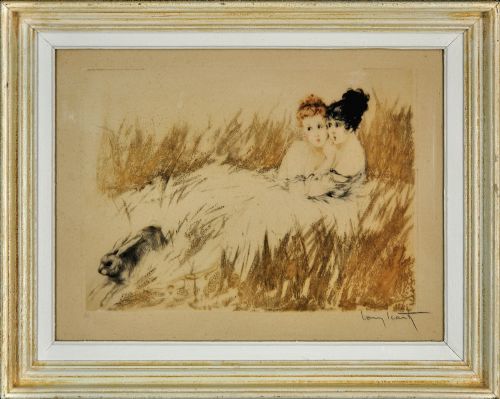
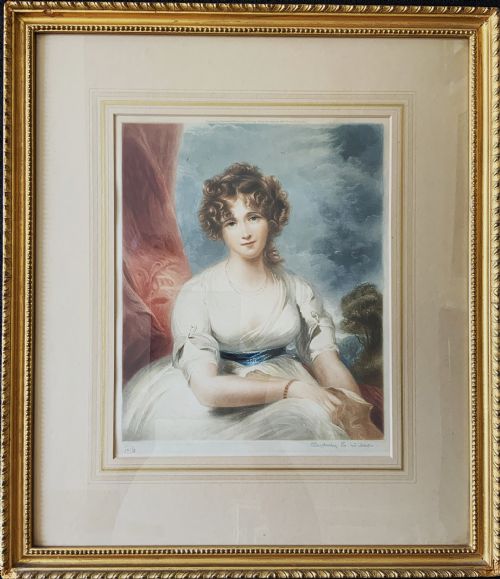
The selection also incorporates sculptural works, such as bronze plaques and busts, alongside framed photographs and hand-coloured etchings. These diverse mediums share a common grounding in the figurative traditions and stylistic experimentation of the 1920s.
Materials and construction methods
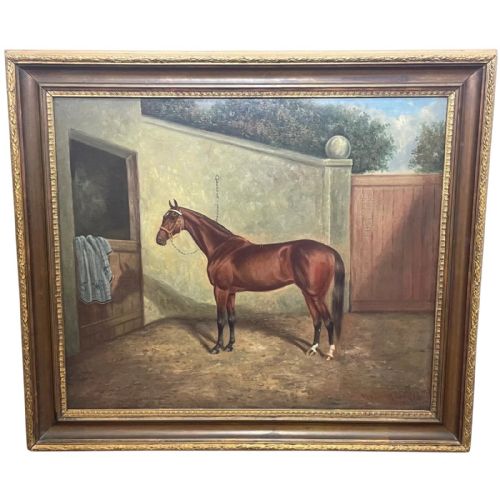
Makers of 1920s portrait art utilised traditional painting supports such as stretched canvas, wood panels, and fine grain paper. Pigments were applied using oil, watercolour, gouache, and occasionally tempera, depending on whether the artist sought rich impasto textures or delicate transparency.
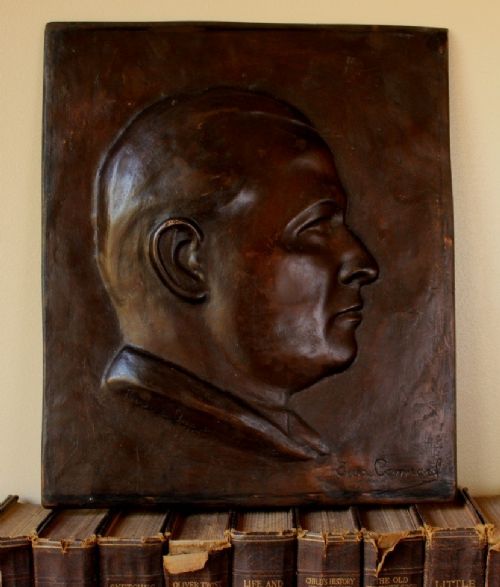
Sculptural works from the period relied on metal casting techniques, producing bronze plaques and portrait busts that frequently featured patinated surfaces or silver plating. Works on paper and delicate miniatures were protected behind glass within wooden, giltwood, or engine-turned silver frames.
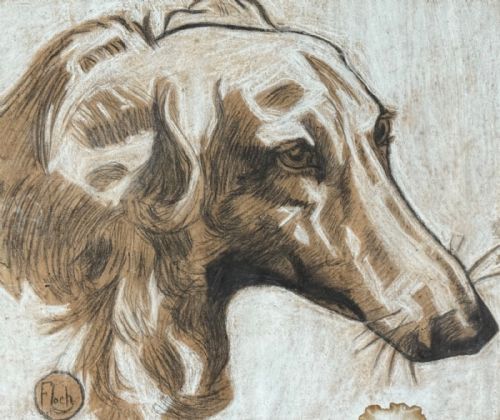
Several portraits capture sharp-eyed dogs staring down the artist with more personality than their human counterparts.
Factors determining quality
The distinction between standard examples and exceptional pieces rests primarily on the technical skill of the draughtsman or painter and the psychological depth of the sitter's representation. Masterly handling of tone, line, and medium elevates a work beyond a simple likeness.
The integrity of the original frame, the preservation of the surface medium without extensive restoration, and clear artist attribution or signature further separate ordinary decorative items from significant collector pieces.
Eric Robertson·Frederick Albert Clark·Eugene Canneel·Gladys Marguerite Baker·Edgar Hunt·Louis Icart·Sydney Wilson·Julian Mandel·LM Webb·Raymond Moritz·Alexandre Louis Martin·Takabatake Kasho·Susie Lassam·Deakin and Francis·Jean Hippolyte Marchand·Montagu Barstow·Birgit Hygrell
The 1920s Portrait Art Glossary
- Art Deco
- A design style characterised by sleek lines, stylised geometry, and modern elegance which heavily influenced visual arts during the 1920s.
- Gouache
- An opaque watercolour medium used by artists to achieve solid planes of matte colour and sharp linear detail on paper.
- Mezzotint
- A printmaking process of the intaglio family where tones are created by roughhening a copper plate with a rocker, allowing subtle gradations of light and shade.
- Portrait miniature
- A small, highly detailed painting executed on ivory, vellum, or card, requiring fine brushes and steady execution.
- Artist proof
- An impression of a print taken in the printmaking process to check the state of the plate, traditionally retained by the artist.
1920s Portrait Art: Frequently Asked Questions
How do I identify a genuine 1920s portrait?
Authentic pieces typically display period-specific clothing, hairstyles such as bobs, and artistic signatures characteristic of interwar movements. Examining the framing materials and backing paper can also provide clues regarding the age of the piece.
Furthermore, comparing the stylistic traits with documented works by known artists from the era helps confirm the date of execution.
What mediums were commonly used for portraits in the 1920s?
Artists working in this decade frequently utilised oil on canvas, watercolour, gouache, and pencil on paper. Sculptors favoured bronze for plaques and busts, while graphic artists produced etchings and hand-coloured prints.
Miniatures painted on small supports and detailed photographs mounted on card also featured prominently during the period.
How should I care for antique works on paper?
Works on paper require protection from direct sunlight to prevent fading of watercolours and gouache pigments. Keeping them in stable humidity conditions prevents warping and foxing on the paper substrate.
Displaying pieces away from direct heat sources and ensuring UV-filtering glass is used in framing helps preserve the integrity of the artwork.
Are bronze plaques and busts common in this category?
Bronze plaques and portrait busts frequently appear alongside paintings, capturing notable figures, military personnel, and private sitters in relief or three dimensions. These metal sculptures often carry artist signatures or foundry marks.
They represent the sculptural side of interwar portraiture, distinct from canvas paintings but sharing the same focus on facial likeness and character.