





1920s Picture Frame
When you handle a 1920s picture frame, you hold a piece of interwar design that turns photographs and prints into deliberate focal points.
1920s Picture Frame
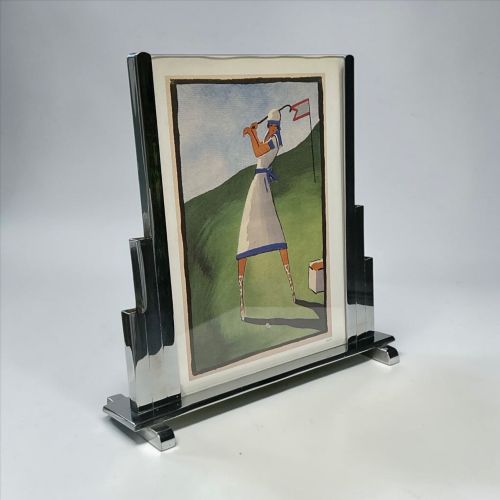
A 1920s picture frame encompasses the protective and decorative mounts that house the paintings, photographs, etchings and prints of the interwar period. The versions most commonly encountered on this page combine the clean geometries of Art Deco design with traditional materials.
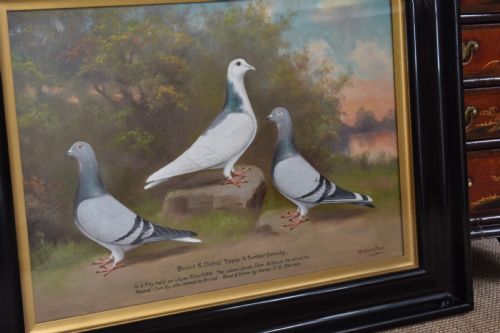
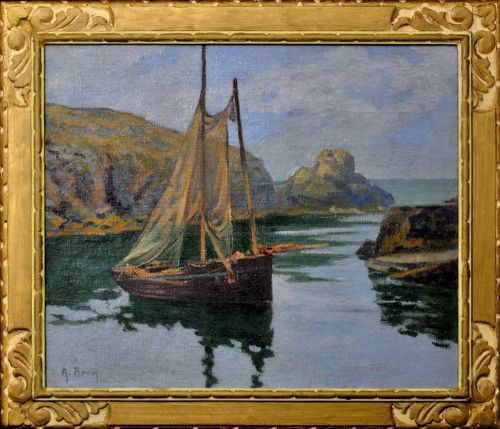
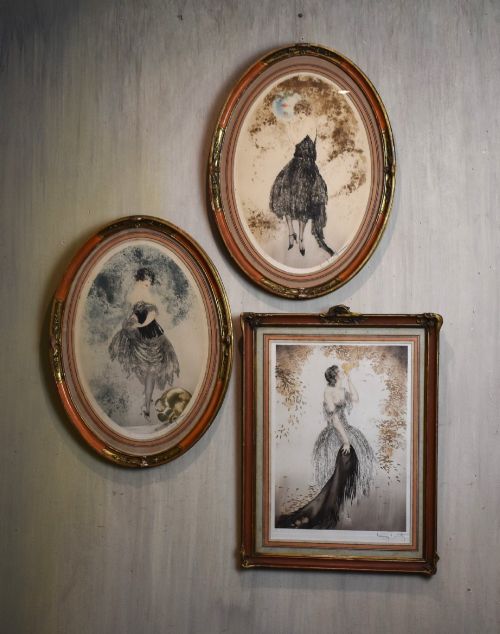
The objects span domestic silver photo frames designed for mantlepieces, substantial oak and gilded wood mouldings built for oils and watercolours, and specialised frames housing prints and photographs from the Edwardian and George V eras.
How they were made
Makers utilised sterling silver with engine-turned patterns, casting, and hand-finished detailing to create polished easel backs for domestic portraits. For larger artworks, workshops joined solid oak and softwood timbers, frequently applying gesso and gilding to achieve decorative surfaces.
Mouldings were hand-carved or machine-shaped depending on the workshop, incorporating glass plates to protect delicate watercolours, charcoal portraits and paper photographs from environmental damage.
1920s Picture Frame Retail Price Guide 2026
Typical asking prices for 1920s picture frame among the pieces listed under this phrase on Sellingantiques today, from the lower quarter to the upper quarter. They describe what is for sale here now, not the wider market.
The listings span sterling silver, gilt wood, glass, and paper, capturing both domestic table accessories and large wall art from the 1920s.
What varies in quality
Quality rests upon the crispness of the hallmark on silver examples and the integrity of the original wooden joins and gilding on timber pieces. Subtlety of decorative execution, such as fine engine-turning or careful hand-carving, separates standard production items from workshop pieces.
The presence of original backboards, easel supports, and glass panes contributes significantly to the integrity of the piece, distinguishing untouched survivors from those altered through later restoration.
Deakin & Francis
The 1920s Picture Frame Glossary
- Art Deco
- A design style spanning the 1920s and 1930s characterised by streamlined geometric shapes, stylised motifs and sleek lines. It influenced everything from silver photo frames to large architectural mouldings.
- Engine-turned
- A decorative technique involving precise geometric patterns mechanically engraved into metal surfaces such as silver. This method created repetitive, shimmering textures popular on interwar luxury goods.
- Gesso
- A plaster mixture applied to wood frames as a smooth base for gilding or painting. It allowed craftsmen to mould intricate relief decorations before applying gold leaf.
- Easel back
- A hinged prop attached to the reverse of a table frame allowing it to stand upright. These supports were typically covered in velvet, leather or watered silk.
- Hallmark
- A series of official stamps applied to precious metals indicating the standard of purity, assay office, and year of manufacture. British silver frames often display clear regional assay marks from cities like Birmingham.
1920s Picture Frame: Frequently Asked Questions
How do I date a 1920s picture frame?
Silver examples often carry assay office hallmarks and date letters that pinpoint the exact year of manufacture. Wooden and gilt models require stylistic assessment, matching geometric Art Deco motifs or proportions to the interwar period.
Construction methods also provide clues, as older joinery and original backboards help distinguish pieces made around 1920 from later reproductions.
Are these frames suitable for modern photographs?
These frames accommodate standard modern prints and photographs provided the internal dimensions match your image size. Many include their original glass and backing boards, which protect delicate paper items.
Care should be taken when opening older silver or wooden mouldings to avoid damaging brittle backings or historical fixings.
How do I care for antique silver frames?
Sterling silver requires gentle cleaning with a soft microfibre cloth to remove dust without wearing down engine-turned details or hallmarks. Chemical dips should be avoided to protect any original lacquered finishes or velvet backing materials.
Displaying silver away from direct sunlight and high humidity prevents tarnishing and preserves the structural integrity of the easel backing.
What is the difference between easel frames and wall frames?
Easel frames feature an integrated hinged stand designed for tabletops, desks and mantelpieces, usually rendered in polished silver or decorated wood. Wall frames incorporate hanging loops or rings meant for suspension on domestic picture rails.
While smaller silver models almost exclusively feature easel backs, larger oak and gilded mouldings are built specifically for hanging paintings and prints.