


Stepped Art Deco Frame
A stepped art deco frame brings sharp architectural geometry and period glamour to any interior.
Stepped Art Deco Frame
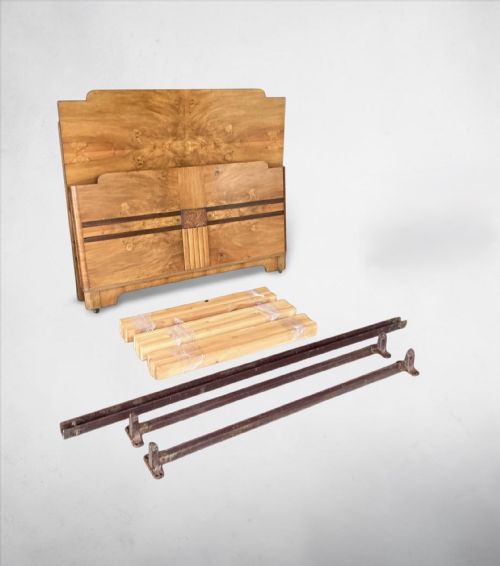
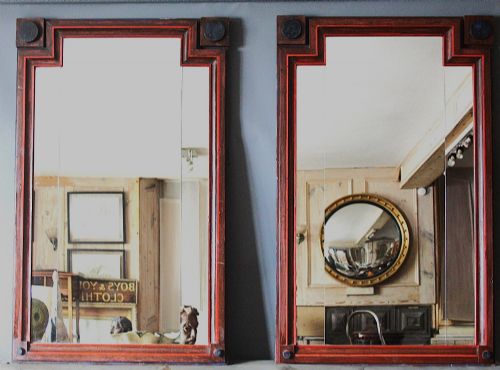
When you search for a stepped art deco frame, you encounter the distinctive architectural styling of the interwar period. These pieces draw heavily on skyscraper aesthetics, using ascending or descending tiers to create a strong sense of verticality and depth. While the inventory spans various forms, collectors frequently find picture frames, wall mirrors, and clock surrounds built in this characteristic stepped silhouette.
Originating predominantly from the 1920s and 1930s, these items reflect the modernist optimism of their era. The stepped design applies equally to functional household objects and larger decorative elements such as fire surrounds and furniture pieces. Finding an authentic example means looking for the clean lines and geometric progression that define the style.
How they were made
Craftsmen of the period utilised a deliberate mix of traditional cabinet-making and modern industrial materials. Walnut, burr walnut, and maple provide the warm wooden foundations for frames and furniture, often finished with carefully laid veneers. These timbers offer rich grain patterns that contrast sharply with the metallic elements.
Metal and glass form the other vital pillar of construction, with chrome, nickel-plated silver, and mirror glass catching the light. The stepped effect is achieved through precise layering of these materials, whether stacking wooden tiers or mounting polished metal sections around a central glass panel.
Even clockmakers of the thirties could not resist the pull of the skyscraper, turning timekeeping into miniature urban architecture.
What varies in quality
The distinction between standard production and the finest work lies in the precision of the geometry and the selection of materials. Superior pieces display flawless alignment in their stepped tiers, where every corner and overlap meets with exacting symmetry. In wooden examples, the choice of highly figured walnut or maple veneer elevates the visual impact considerably.
Finishing details also dictate the upper tier of quality, particularly the plating on metals and the clarity of the glass. Original chrome or nickel plating shows an even, bright lustre without pitting, while glass panels retain their original bevels and silvering. The integration of functional elements, such as integral cabinets or reliable clock movements, further separates exceptional examples from ordinary ones.
Blangy Clockmakers
The Stepped Art Deco Frame Glossary
- Skyscraper style
- An architectural and decorative motif from the 1930s characterised by tiered, ascending setbacks that mimic modern urban high-rises. This form creates an illusion of great height and dynamic movement.
- Veneer
- A thin slice of superior wood, such as burr walnut, applied over a stable secondary timber base. This technique allows makers to display striking grain patterns across flat surfaces.
- Chrome plating
- An electrolytic coating of chromium applied over metal to provide a corrosion-resistant and highly reflective finish. It remains a hallmark of bright modernist design.
- Odeon style
- A stream-lined design influence derived from cinema architecture of the 1930s, featuring curved and stepped outlines. It translates geometric mass into fluid, theatrical forms.
Stepped Art Deco Frame: Frequently Asked Questions
What defines a stepped art deco frame?
The defining characteristic is the series of receding or ascending planes that create a tiered architectural effect. This geometry reflects the skyscraper influence prevalent in design during the 1920s and 1930s.
Creators used this stepped profile to draw the eye toward the centre of a mirror or picture. It breaks away from traditional curved moulding in favour of bold, industrial lines.
Which materials appear most often?
Makers relied heavily on a combination of warm wood veneers and cold industrial metals. Walnut, burr walnut, and maple provide rich natural textures for the body of the piece.
Alongside wood, chrome plating, nickel, and polished glass feature prominently to catch the light. This contrast between organic timber and gleaming metal defines the palette of the era.
How do I style these pieces at home?
These items command attention and work best as focal points in a room, whether hung on a wall or placed on a mantelpiece. Their strong geometry pairs well with minimalist modern interiors or eclectic vintage collections.
Allowing adequate space around the piece ensures the stepped silhouette remains visually distinct. Pairing a mirror with a matching clock or frame creates a cohesive interwar aesthetic.
How can I tell the 1920s pieces from 1930s ones?
Pieces from the 1920s often retain lingering transitional elements from earlier decorative traditions alongside emerging modernist ideas. They can feature heavier carved wooden framing and more conservative proportions.
By the 1930s, the aesthetic embraced full industrial modernity with streamlined chrome, glass, and dramatic skyscraper tiers. The reliance on pure geometric progression becomes much more pronounced in the later decade.