


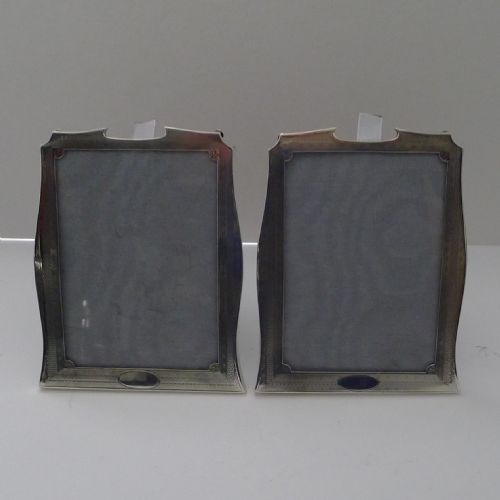
1930s Photo Frame
A 1930s photo frame brings geometric elegance to any interior, offering a distinct period border for treasured photographs.
1930s Photo Frame
A 1930s photo frame is defined by the bold geometric styling of the period, appearing primarily as large bevelled glass designs or stylised carved wood treen.
These pieces frame photographs with the characteristic aesthetic of the decade, balancing functional display with strong decorative presence.
How they were made
The archive shows construction using carved wood treen and bevelled glass components.
Makers shaped these materials to reflect the modernist and Art Deco sensibilities typical of the era.
1930s Photo Frame Retail Price Guide 2026
Typical asking prices for 1930s photo frame among the pieces listed under this phrase on Sellingantiques today, from the lower quarter to the upper quarter. They describe what is for sale here now, not the wider market.
Recorded past pieces show a strong presence of Art Deco and Modernist design characteristics.
What varies in quality
Quality rests upon the precision of the glass bevelling and the crispness of the carved wood details.
The sophistication of the stylistic execution distinguishes standard items from finer examples.
The 1930s Photo Frame Glossary
- Art Deco
- A design style characterised by sleek lines, geometric shapes, and modern materials popular during the interwar period. It dominates the aesthetic of these frames.
- Bevelled glass
- Glass with an angled edge cut around the perimeter, adding depth and light refraction to the border. This technique enhances the visual weight of the frame.
- Treen
- Small wooden utilitarian and decorative objects made by turning or carving. In this context, it refers to the carved wooden frames.
- Modernist
- A style reflecting a departure from traditional ornamentation in favour of simplified forms and functional design. This influence is visible in the stylised pieces.
1930s Photo Frame: Frequently Asked Questions
What styles define a 1930s photo frame?
The archive records Art Deco and Modernist influences across the pieces.
These styles manifest through geometric forms, bevelled glass, and stylised carved wood.
What materials were used?
Recorded materials include glass and carved wood treen.
These substances formed the structural and decorative bases for the period designs.
How do I display one?
Place them on flat surfaces where their geometric borders complement the interior.
Their size makes them suitable for prominent display on mantelpieces or desks.
Are these frames large?
Archive listings specifically note the presence of large formats.
This scale allows the decorative bevelled glass and carved wood to command attention.