

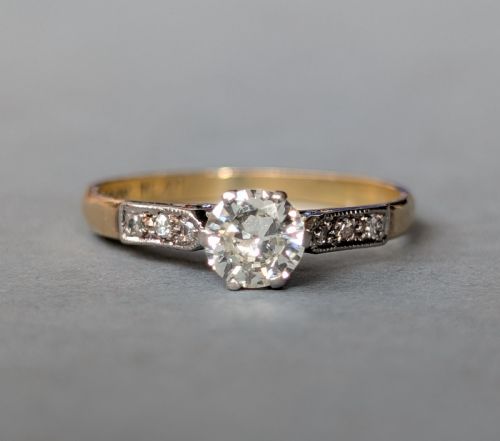


1920s Old Cut Ring
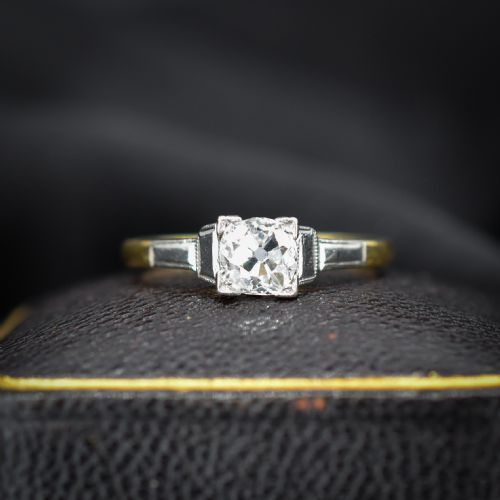
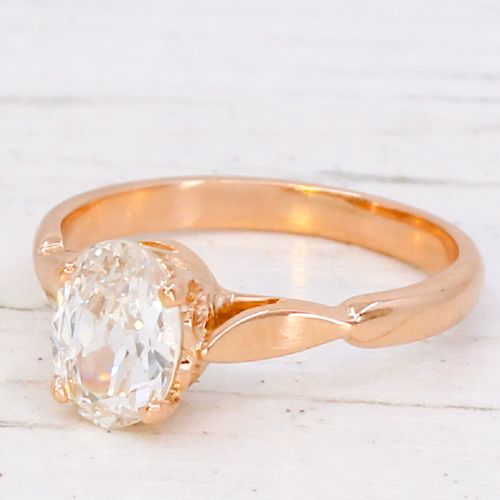
A 1920s old cut ring brings the unmistakable geometric charm and hand-faceted warmth of the early twentieth century directly to the hand.
1920s Old Cut Ring
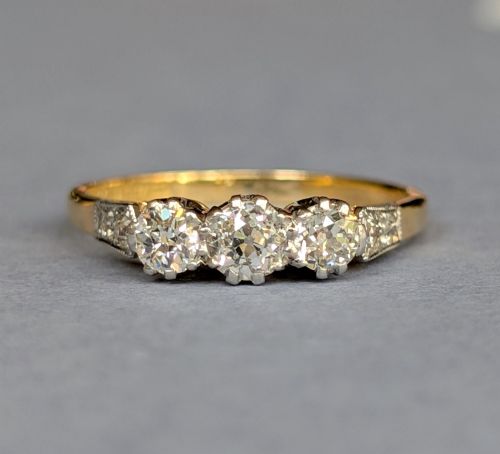
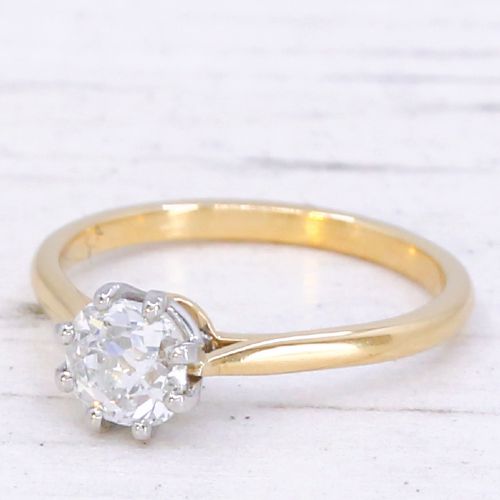
A 1920s old cut ring primarily takes the form of an engagement or dress ring, drawing heavily from the prevailing Art Deco and Edwardian aesthetics of the period. Buyers searching this phrase meet platinum and gold mountings shaped into solitaires, clusters, trilogies, and intricate plaque designs.
The dominant forms span geometric navette, target, and daisy configurations alongside classic single-stone settings. Most surviving examples date firmly from the 1920s and 1930s, often pairing old European or old mine cut diamonds with contrasting calibre-cut sapphires.
Makers of the era utilised symmetrical frameworks that emphasised the central stones while integrating delicate millegrain borders. These rings served as modern statements for the period, moving away from heavy Victorian ornamentation toward clean, architectural lines.
How they were made
Craftsmen of the era combined platinum with 18ct yellow, white, and occasionally 15ct gold to fabricate secure, durable settings. Platinum became the metal of choice for delicate yet strong prong and bezel work, allowing intricate piercing and openwork galleried mounts.
Diamonds were hand-cut with smaller tables, higher crowns, and open culets, creating the distinct soft scintillation characteristic of the period. Stones were secured by hand-beaded millegrain edges that softened the metallic perimeter of the geometric designs.
Listings demonstrate that platinum and 18ct gold serve as the primary metals for mounting old cut diamonds.
What varies in quality
Quality rests upon the proportion and brilliance of the hand-cut central diamond weighed against the precision of the surrounding metalwork. Superior examples display crisp architectural symmetry in the platinum or gold mounting without heavy wear to the delicate millegrain decoration.
The integration of secondary stones, such as calibre-cut sapphires or smaller accent diamonds, dictates the overall refinement of the piece. Masterful craftsmanship ensures that the prongs remain low and secure while maximising light entry into the primary old cut diamond.
The 1920s Old Cut Ring Glossary
- Old cut
- A diamond facet style cut by hand before modern machinery standardised proportions. These stones feature smaller tables and deep pavilions that produce a distinctive blocky pattern of light.
- Millegrain
- A decorative technique involving a row of tiny raised metal beads along the edge of a setting. This adds a soft texture and frames the primary stones.
- Target ring
- A circular cluster design featuring a central diamond surrounded by a contrasting ring of calibrated coloured gemstones, such as sapphires. The concentric bands evoke the appearance of a target.
- Navette
- A boat-shaped ring setting that tapers to points at either end of the finger. This elongated style was favoured during the Art Deco period for its hand-flattering proportions.
- Calibre-cut
- Gemstones specifically shaped and cut to fit tightly together within a geometric channel or border. This technique requires precise lapidary work to maintain continuous lines of colour.
1920s Old Cut Ring: Frequently Asked Questions
Are 1920s rings suitable for daily wear?
These rings were built for everyday elegance, utilising durable metals like platinum and 18ct gold to secure the stones safely. Many collectors wear them daily, provided the settings receive routine checks by a jeweller.
Careful handling ensures the hand-beaded millegrain and delicate prongs endure decades of continued use. Avoiding harsh chemical cleaners preserves the integrity of the gold and platinum mountings.
How do I identify an old cut diamond?
An old cut diamond is recognised by its smaller top table, steeper crown, and a visible flat facet at the bottom known as the open culet. These handmade stones scatter candlelight warmly rather than the sharp brilliance of modern cuts.
Under magnification, the irregular facet shapes reveal the hand-polished origins of the stone. This asymmetry distinguishes them clearly from brilliant-cut diamonds produced later in the twentieth century.
What is the difference between Art Deco and Edwardian styles?
Edwardian rings lean towards lacy, garland-motif platinum work that mimics fine lacework and delicate floral arrangements. The aesthetic prioritises flowing grace and ethereal lightness.
Art Deco designs shift toward bold symmetry, rigid geometric lines, and strong colour contrasts using sapphires or rubies. This later style embraces architectural forms and streamlined modernity.
What metals were used in the 1920s?
Platinum dominated fine jewellery production during this decade due to its exceptional strength and bright white finish. This allowed artisans to construct ultra-thin settings that held large diamonds securely.
Yellow and white 18ct gold also appeared frequently, often combining contrasting gold bands with platinum top settings. This dual-metal approach gave makers creative flexibility in designing intricate engagement rings.