



1920s Office Desk
These 1920s office desk options bring practical workspace history and period character directly into a modern room.
1920s Office Desk
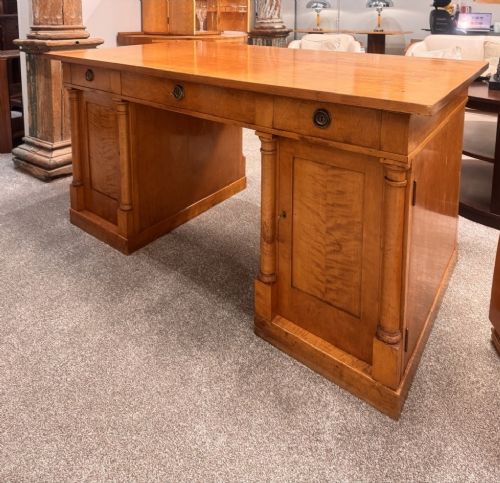
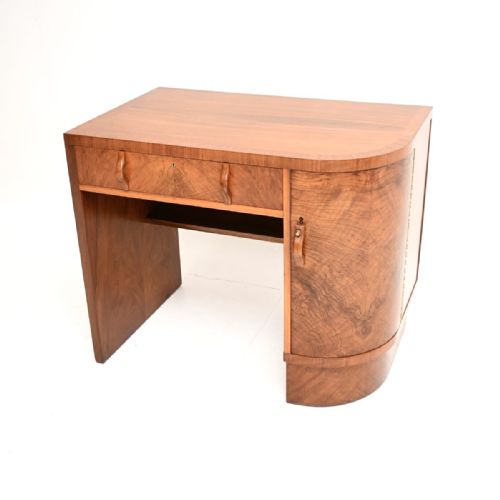
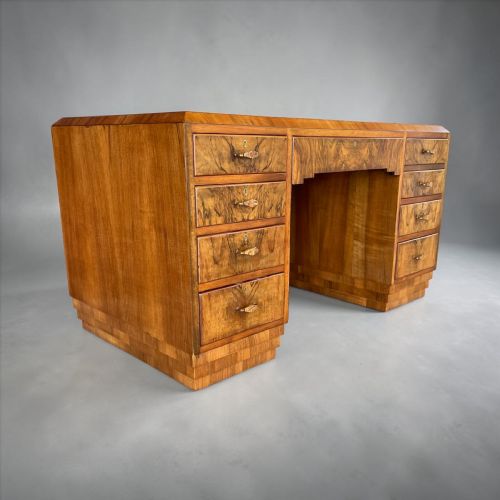
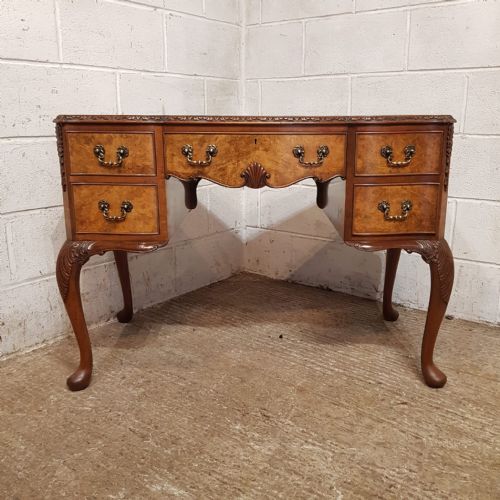
A 1920s office desk encompasses practical workspace furniture from the interwar years, spanning utilitarian sorting tables to striking Art Deco statement pieces. Buyers seeking this phrase encounter sturdy pedestal forms, compact writing tables, and roll top designs tailored for administrative life.
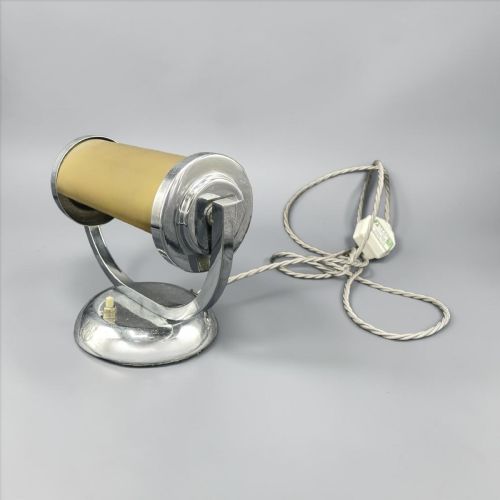
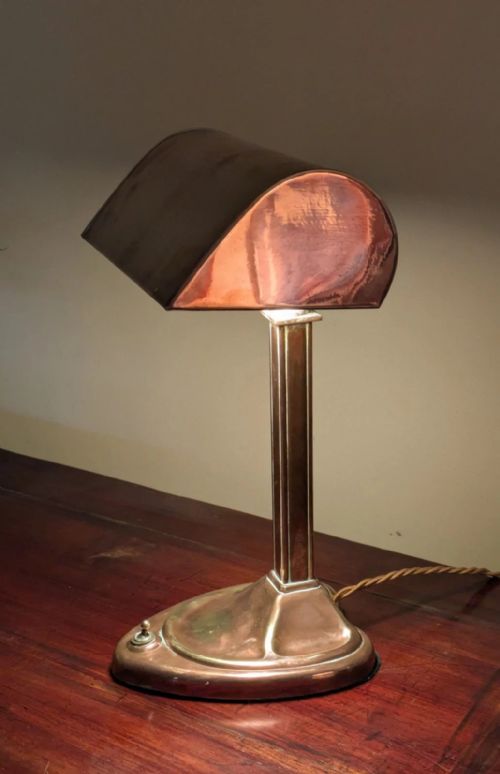
The selection here includes related workspace pieces such as revolving armchairs, adjustable lamps, and tabletop accessories that complement the main furniture. Woods like oak, walnut, and mahogany dominate the offerings, occasionally paired with leather writing surfaces and brass hardware.
How they were made
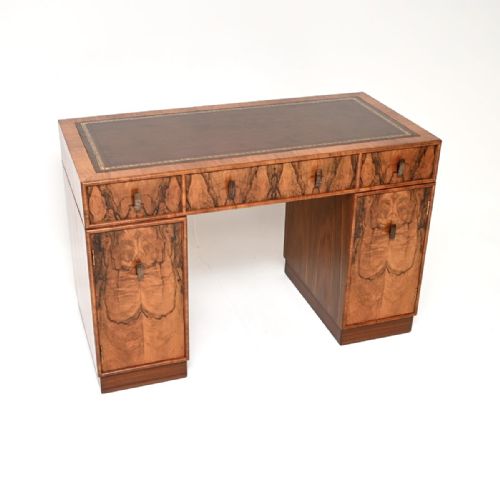
Cabinet makers utilised solid timbers such as oak, beech, and mahogany for structural frames, frequently applying burr walnut or figured walnut veneers to visible drawer fronts and top surfaces. Leather insets provided a durable writing medium, secured with subtle blind tooling.
Metal components, including iron frames, copper lamp shades, and brass fittings, introduced industrial resilience and Art Deco styling. Traditional joinery methods ensured stability across pedestal desks, sorting tables, and swivel chairs intended for daily clerical use.
1920s Office Desk Retail Price Guide 2026
Typical asking prices for 1920s office desk among the pieces listed under this phrase on Sellingantiques today, from the lower quarter to the upper quarter. They describe what is for sale here now, not the wider market.
A solitary tortoiseshell calendar reminds us that interwar office workers still appreciated a touch of vanity between filing tasks.
What varies in quality
The visual distinction rests largely on the choice of timber and veneer selection, where highly figured burr walnut contrasts with utilitarian oak or industrial pine and iron. Superior examples demonstrate careful grain alignment across serpentine fronts and multiple drawers.
Hardware integrity and the retention of original components, such as specialised desk lamps, leather inserts, and revolving chair mechanisms, separate standard workspace furniture from more finished collector pieces.
The 1920s Office Desk Glossary
- Burr walnut
- A prized timber veneer showing swirling, irregular growth patterns taken from the tree's burl, frequently utilised on high-status Art Deco furniture.
- Pedestal desk
- A freestanding writing table featuring two banks of drawers supporting the main work surface, common in professional offices.
- Roll top desk
- A bureau featuring a slatted tambour shutter that pulls down to conceal the pigeonholes and writing surface.
- George V
- A stylistic period spanning the reign from 1910 to 1936, incorporating traditional revival motifs alongside emerging modernist influences.
- Art Deco
- A prominent design movement of the interwar years favouring streamlined geometric forms, sleek metals, and polished wood surfaces.
1920s Office Desk: Frequently Asked Questions
How do I identify a genuine 1920s desk?
Authentic pieces display period construction techniques, typical timber selections such as oak and walnut, and styles ranging from George V revivals to Art Deco.
Examining the interior drawer construction and hardware helps confirm the interwar origin of the furniture.
What woods were used in 1920s desks?
Common timbers include solid oak, mahogany, and beech, often selected for their strength in heavy office environments.
Decorative variations frequently feature burr walnut and figured walnut veneers on primary display surfaces.
Are revolving chairs suitable for daily use?
Period revolving armchairs constructed from ash, beech, and mahogany offer functional swivel and arm support for modern workspaces.
Their sturdy mechanical designs were built specifically for long hours in administrative offices.
How do I care for a leather desk top?
Leather writing inserts require gentle cleaning and conditioning to maintain flexibility and prevent the material from drying out over time.
Avoiding direct sunlight and excessive moisture preserves both the leather and any surrounding timber veneer.