

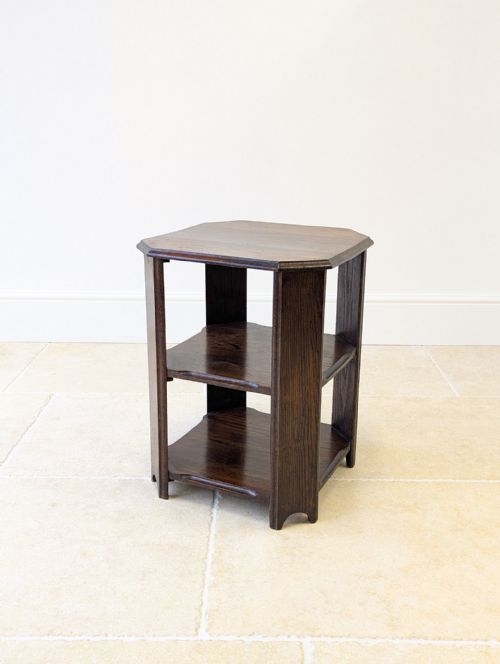

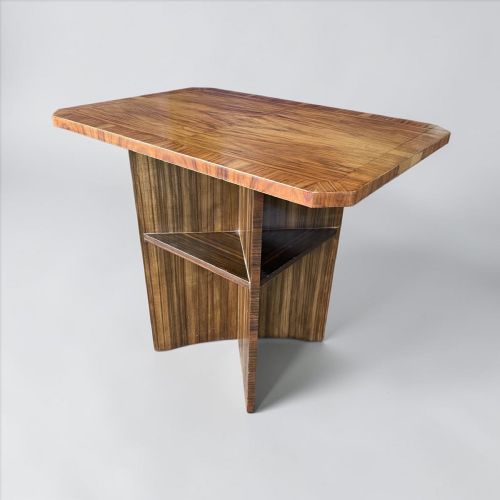
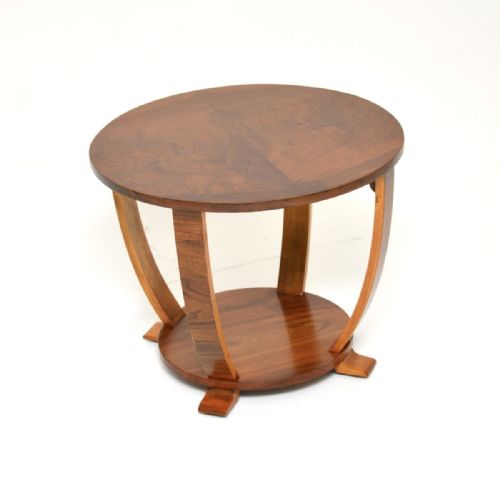


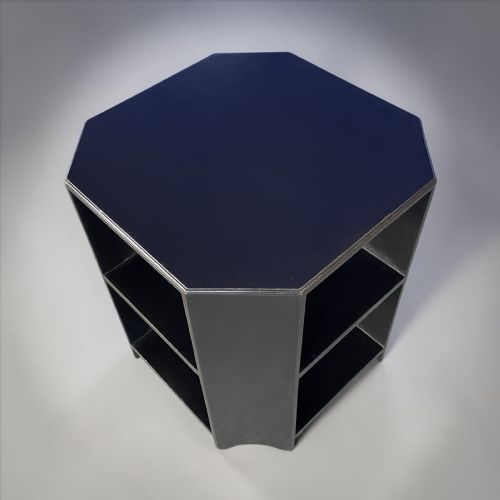
1920s Occasional Table
A 1920s occasional table provides a compact surface for lamps, drinks, or books, combining practical utility with varied interwar design styles.
1920s Occasional Table
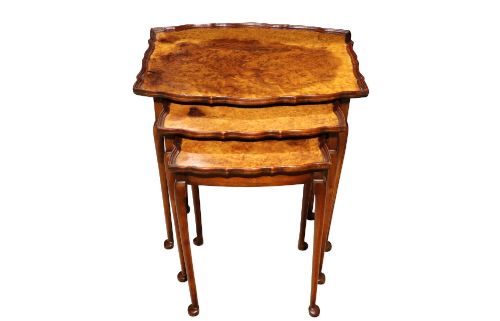
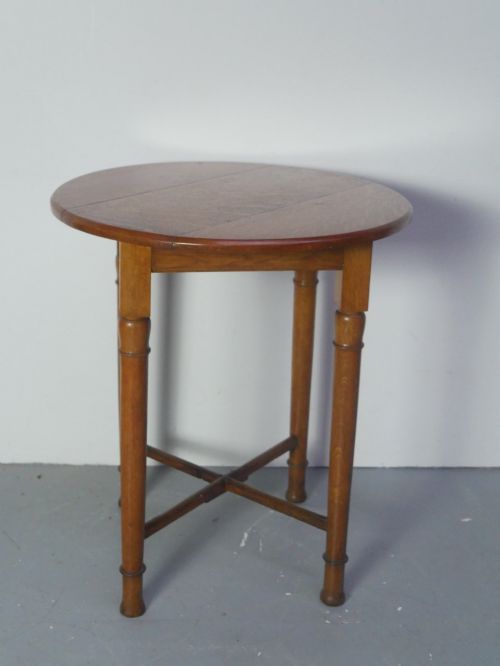
Most pieces date directly from the interwar period, though early twentieth century revivals of Jacobean, Queen Anne, and Georgian styles appear frequently alongside Art Deco models. These tables served domestic functions such as holding tea, books, or lamps in sitting rooms and parlours.
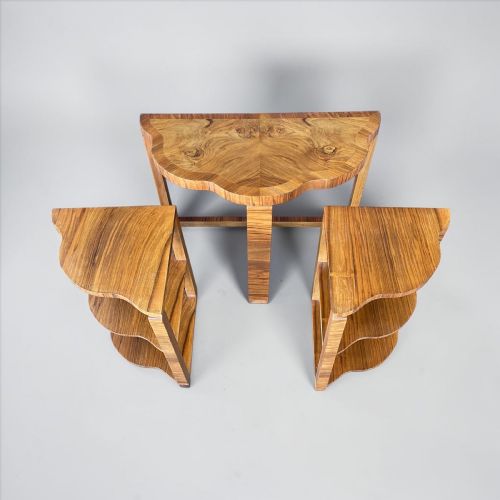
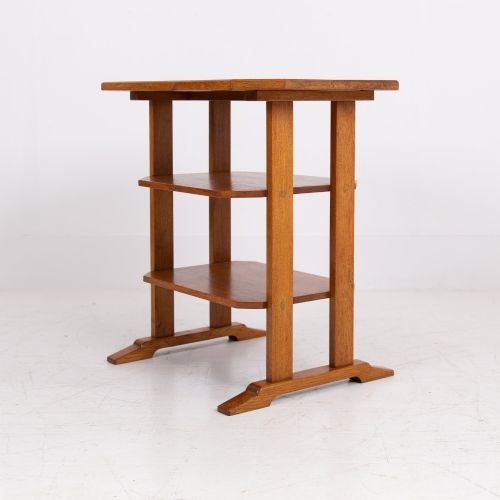
Forms extend beyond standard rectangular tables to include wine tables, card tables, drop-leaf designs, and tiered or multi-level stands. English and French workshops produced the majority of these pieces, utilising both native timbers and exotic veneers.
How They Were Made
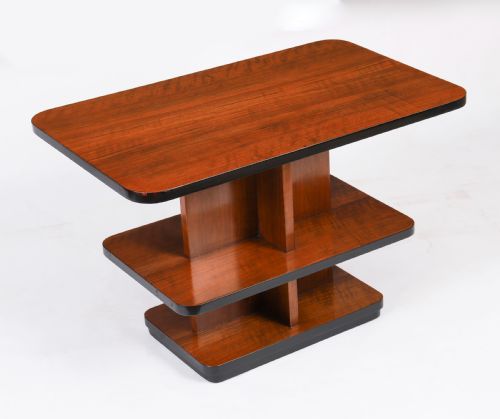
Makers utilised solid timbers like oak, mahogany, and beech for sturdy frames, while applying burr walnut, walnut veneer, birds-eye maple, and rosewood to tabletops for decorative grain patterns. Ebonised wood and lacquered finishes also provided smooth, dark surfaces on specific Art Deco and continental models.
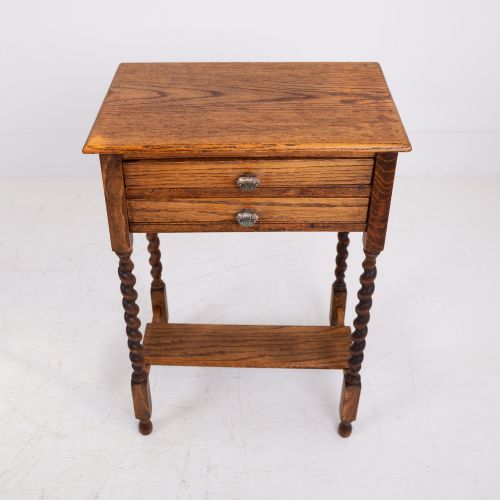
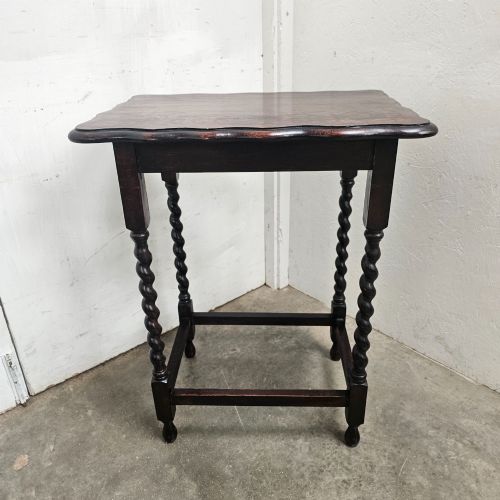
Structural joinery relied on traditional woodworking methods to support turned legs, barley twist supports, and drop-leaf mechanisms. Metal elements appear occasionally, such as brass frames paired with engraved copper trays on specialised imported pieces.
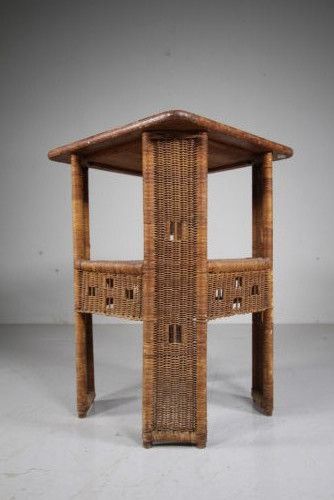
Surfaces were polished, lacquered, or french polished to highlight the natural figure of the timber, particularly on figured walnut and parquetry tops. Wicker weaving techniques were also employed for specific lightweight occasional pieces produced by specialised makers.
1920s Occasional Table Retail Price Guide 2026
Typical asking prices for 1920s occasional table among the pieces listed under this phrase on Sellingantiques today, from the lower quarter to the upper quarter. They describe what is for sale here now, not the wider market.
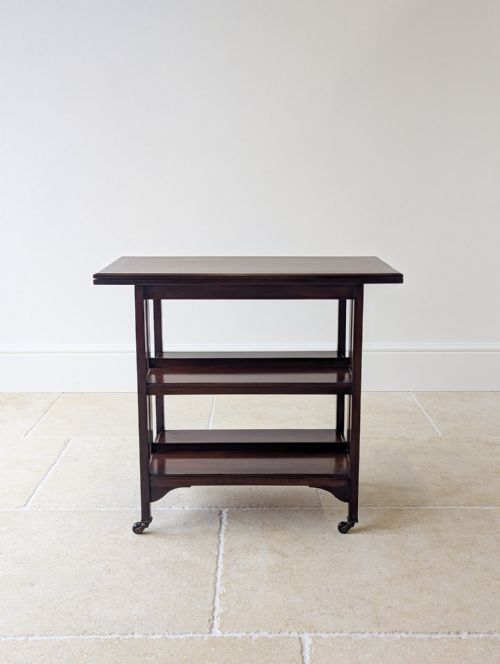
Some tables transform into card tables or fold down neatly like botanical puzzle pieces.
What Varies in Quality
The choice of surface veneer heavily influences the distinction between standard utilitarian furniture and higher decorative pieces, particularly where matched burr walnut or exotic woods like rosewood are employed. Solid oak versions range from plain vernacular items to refined Cotswold School or Jacobean revival examples with carved detail.
Construction methods determine durability, separating simpler pinned or nailed joints from properly fitted mortise and tenon joinery seen in card tables, nests, and drop-leaf tables. The sophistication of the design, from basic lamp tables to metamorphic card tables and multi-tiered coffee tables, dictates the level of cabinetmaking skill involved.
Dryad of Leicester·L.Martin of Paris
The 1920s Occasional Table Glossary
- Occasional table
- A small, movable table designed for intermittent use around a home. These versatile pieces function easily as lamp stands or small side surfaces.
- Burr walnut
- A prized timber veneer showing swirling knot growths and intricate grain patterns. Cabinetmakers applied this decorative wood to prominent tabletops.
- Barley twist
- A turned wooden furniture leg resembling a twisted rope. This ornamental detail appears frequently on early twentieth-century oak tables.
- Drop-leaf table
- A table featuring hinged flaps that fold down to save space. Users raise the leaves to expand the surface area when needed.
- Metamorphic table
- A piece of furniture designed to transform its function or shape, such as a card table that converts into a standard surface.
1920s Occasional Table: Frequently Asked Questions
What is an occasional table?
An occasional table is a small, movable piece of furniture designed for flexible use in living spaces. These compact surfaces easily move beside chairs or sofas to hold lamps, drinks, or books.
Interwar examples from this era include side tables, coffee tables, and nests of tables in various timber finishes. They provide practical utility without dominating a room's layout.
How do I identify Art Deco tables?
Art Deco tables typically feature geometric forms, clean lines, and smooth surfaces finished in ebonised wood or exotic veneers. Burr walnut and birds-eye maple are common on these stylish tabletops.
Unlike revival pieces with traditional turned legs, Art Deco designs emphasise streamlined silhouettes and bold, modernist shapes.
Where were these tables made?
The majority of these tables originated in English workshops using native oak or imported mahogany and walnut. Continental makers, particularly in France and Italy, also produced distinctive side and wine tables.
Regional styles range from English Arts and Crafts oak pieces to French Art Deco designs and lacquered Burmese imports.
How do I use a nest of tables?
A nest of tables consists of two or three graduated tables that stack neatly beneath one another when not in use. They offer a space-saving solution for entertaining guests.
Individual tables pull out easily to provide extra surface space for drinks or plates, then return to a single stacked footprint.