





1920s Link Bracelet
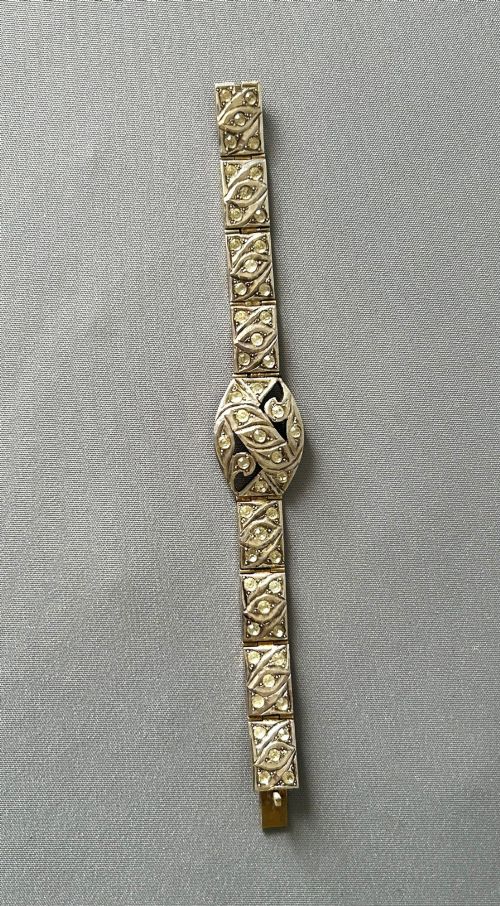
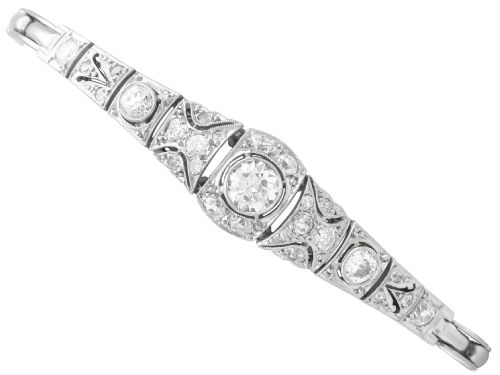
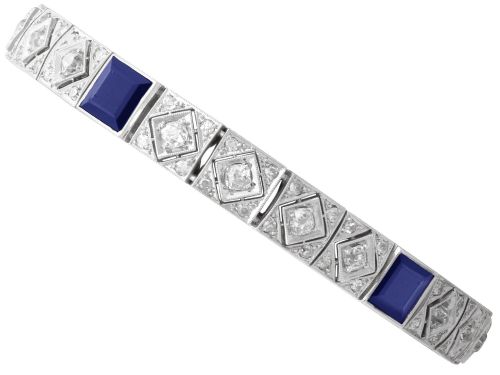
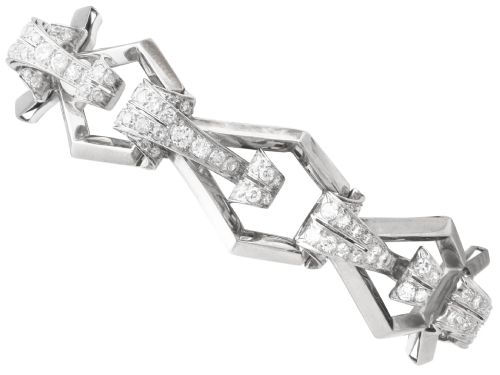
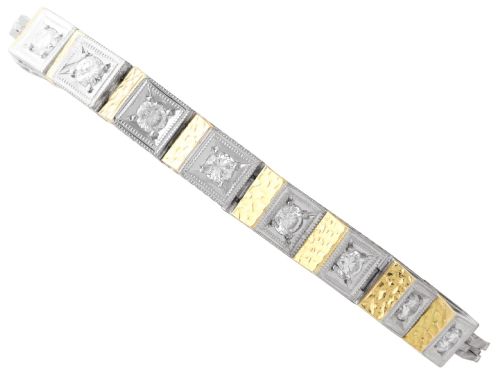
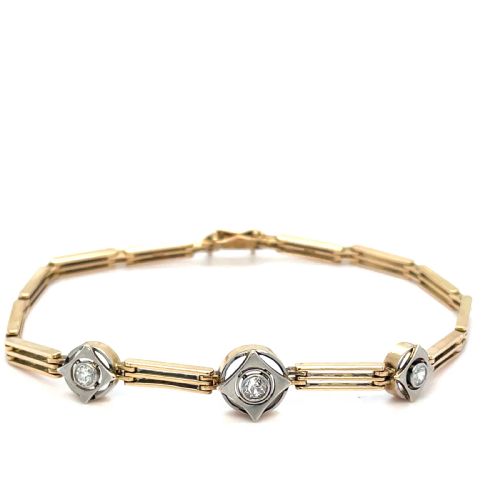
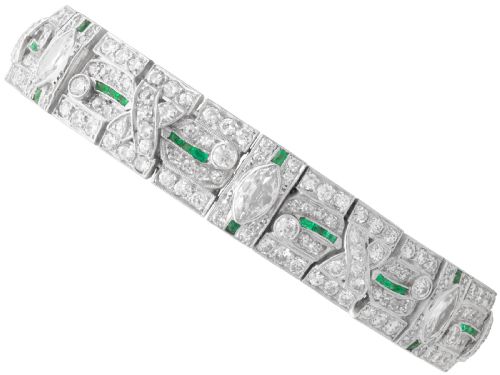
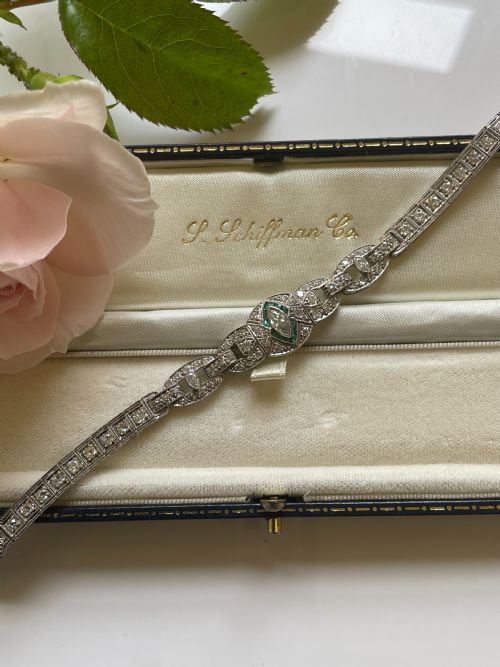
These 1920s link bracelet examples capture the geometric brilliance of the Art Deco period, offering intricate metalwork combined with fine gemstones.
1920s Link Bracelet
A 1920s link bracelet represents the height of geometric design during the Art Deco period, featuring modular sections connected to form a flexible wrist ornament. When searching for a 1920s link bracelet, buyers encounter sophisticated constructions that prioritise linear symmetry and architectural forms over floral curves.
The versions most commonly met on this page combine precious metals such as platinum or white gold with targeted gemstone settings. These pieces range from substantial platinum mountings set with heavy diamond and sapphire carat weights to lighter gold and silver examples incorporating guilloche enamel.
Originating predominantly from the 1920 and 1930 periods, these bracelets reflect European craftsmanship, including specific Italian and French workshops. The structural arrangement relies on articulated links that allow the jewel to drape smoothly around the wrist while maintaining rigid geometric patterns.
Materials and construction methods
Platinum serves as the primary structural metal for the finest examples, alongside 18ct white gold, 14ct gold, 12ct yellow gold, and solid silver. These metals are cast or fabricated into rigid geometric modules that are meticulously joined by hidden hinges or jump rings to ensure flexibility.
Gemstones including diamonds, basaltic sapphires, and emeralds are integrated directly into the metal framework using precision stone-setting techniques characteristic of the era. Additionally, surface decoration appears in specific pieces through engraved tank patterns and applied guilloche enamel over solid silver.
1920s Link Bracelet Retail Price Guide 2026
Typical asking prices for 1920s link bracelet among the pieces listed under this phrase on Sellingantiques today, from the lower quarter to the upper quarter. They describe what is for sale here now, not the wider market.
Current listings demonstrate a distinct material divide between platinum-mounted diamond pieces and gold or silver items featuring enamel.
Factors of distinction
The distinction between standard and exceptional pieces rests upon the complexity of the metalwork and the integration of the stones. Superior examples display substantial carat weights of diamonds and sapphires set within heavy platinum frames, whereas simpler variants utilise lower gold carats or enamel without major gemstone embellishments.
The precision of the articulated joints and the crispness of engraved details further separate the output of different workshops. Articulation that permits fluid movement without sacrificing the rigidity of the geometric design indicates superior manufacturing standard.
The 1920s Link Bracelet Glossary
- Art Deco
- A design style spanning the 1920s and 1930s characterised by geometric shapes, stylised motifs, and streamlined forms. This aesthetic dictates the strict symmetry seen in the metal links.
- Guilloche enamel
- A decorative technique where translucent enamel is layered over mechanically engraved metal. This process creates intricate, repeating patterns beneath a coloured glass surface.
- Basaltic sapphire
- A natural corundum gemstone originating from basaltic geological sources, typically displaying deep blue saturation. These stones are frequently paired with diamonds in platinum settings.
- Tank bracelet
- A robust style of jewellery inspired by military vehicle treads popular during and after the First World War. These pieces feature heavy, angular links with pronounced engraving.
- Articulated link
- A hinged or connected section that allows adjacent components to pivot independently. This mechanism provides the necessary flexibility for the bracelet to wrap comfortably around the wrist.
1920s Link Bracelet: Frequently Asked Questions
How do I wear a 1920s link bracelet?
These bracelets function as statement wristwear that pairs well with evening attire or tailored daytime clothing. Their flexible construction allows them to sit comfortably against the wrist alongside other period accessories.
Because many examples incorporate delicate gemstones or enamel work, avoid wearing them during rigorous physical activities to prevent potential impact damage to the settings.
What metals were used in these bracelets?
The listings show a prevalence of platinum alongside various grades of gold, including 18ct white gold, 14ct gold, and 12ct yellow gold, as well as solid silver. Platinum was favoured for high-end diamond and sapphire settings due to its strength.
Yellow gold and silver appear in specific pieces, sometimes combined with surface treatments like guilloche enamel to add colour and texture to the geometric designs.
Are these bracelets flexible?
Yes, the pieces utilise interconnected modular sections that provide articulation along the wrist. This engineering allows the rigid geometric panels to drape smoothly without kinking.
Inspection of the reverse side reveals the hinge mechanisms or jump rings that join each link while preserving the clean linear appearance of the front.
What gemstones appear in these pieces?
Diamonds form the primary gemstone component across multiple examples, frequently accompanied by basaltic sapphires and emeralds. These stones are set in dense pavé or channel arrangements to emphasise the geometric layout.
Carat weights vary considerably between pieces, ranging from modest accent stones to substantial multi-carat centre designs integrated into platinum mountings.