




1920s Lalique Glass Bowl
A 1920s lalique glass bowl brings the sculptural mastery of the interwar years to any surface through striking optical shifts and organic motifs.
1920s Lalique Glass Bowl
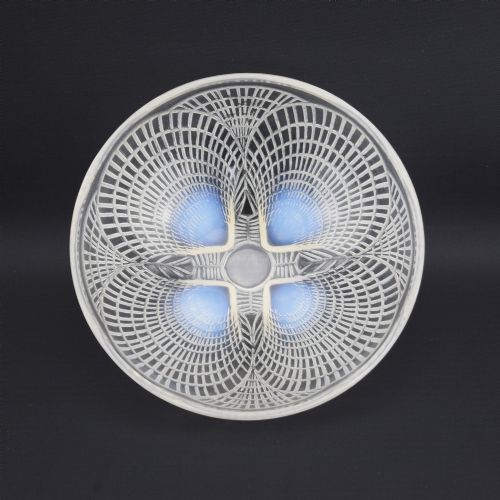
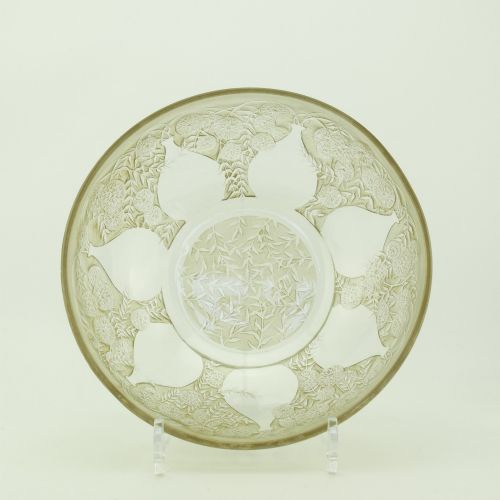
A 1920s lalique glass bowl represents the pinnacle of decorative glassware from the early twentieth century, taking the form of decorative bowls, plates, and footed vessels. These pieces emerge predominantly from the nineteen-twenties, alongside examples from nineteen-thirty and the Edwardian period.
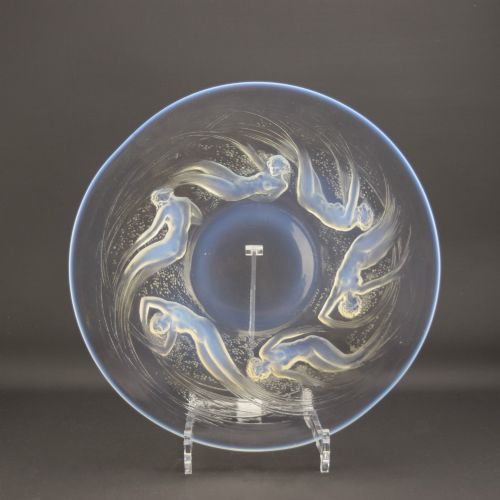
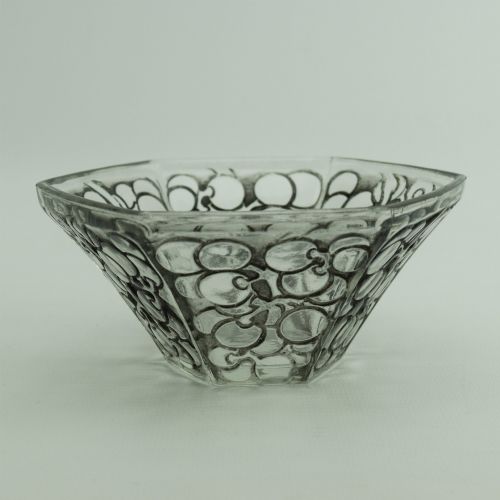
The aesthetic is strictly Art Deco, anchoring each object in a defined design movement defined by symmetry and stylised natural forms. Buyers encounter specific named models such as Ondines, Raisins, Montdore, Lys, Jaffa, Volubilis, Dahlias, Cacao, Martigues, Poissons, and Asters.
Forms span from large coupe vases and flat plates to deep decorative bowls decorated with flower heads or aquatic life. The most commonly met version on this page is the opalescent glass bowl bearing distinct moulded plant or animal themes.
Materials and technique
Makers utilised moulded glass, pressed glass, and frosted glass to achieve tactile surfaces that catch the ambient light. Opalescent glass dominates the selection, interacting with illumination to shift between milky blue and warm amber tones.
Patinated glass appears alongside clear glass and amber glass, employing contrasting pigments to accentuate the relief details of fish, flora, and geometric patterns. These manufacturing methods allowed workshops to produce intricate low-relief ornamentation consistently across multiple vessels.
1920s Lalique Glass Bowl Retail Price Guide 2026
Typical asking prices for 1920s lalique glass bowl among the pieces listed under this phrase on Sellingantiques today, from the lower quarter to the upper quarter. They describe what is for sale here now, not the wider market.
Listings feature opalescent glass, frosted glass, and amber glass across vessels from the nineteen-twenties and nineteen-thirty.
Judging the range
Quality rests in the crispness of the relief moulding and the depth of the opalescent effect within the glass body. Superior examples display sharp delineation in botanical and figurative motifs, whereas lesser pieces show softer contours.
The subtlety of the patination and the clarity of the underlying material distinguish standard production from exceptional artistry. The harmony between the tactile frosted texture and the translucent ground determines the visual success of each bowl.
Rene Lalique
The 1920s Lalique Glass Bowl Glossary
- Opalescent glass
- Glass that milky blue appearance which shifts to warm tones when lit from certain angles. This optical phenomenon results from the precise chemical composition and cooling process during manufacture.
- Frosted glass
- Glass treated to produce a textured, non-reflective surface finish. It provides contrast against clear or patinated areas on decorative vessels.
- Patinated glass
- Glass enhanced with coloured pigment rubbed into the recessed details of the design. This technique defines the motifs and creates visual depth.
- Moulded glass
- Glass shaped by being pressed into a prepared form while molten. It allowed intricate designs like fish and flower heads to be reproduced with fidelity.
1920s Lalique Glass Bowl: Frequently Asked Questions
How do I display a glass bowl safely?
Place the vessel on a stable, level surface away from direct edge hazards and heavy foot traffic. Ensure the supporting furniture does not wobble.
Keep the piece out of direct sunlight to prevent thermal shock and fading of any patination. Ambient interior lighting highlights the optical qualities of the material best.
What is opalescent glass?
Opalescent glass is a specialised material that appears milky blue in reflected light and amber or orange in transmitted light. This dual-colour effect is achieved through specific cooling and chemical agents during production.
The technique gives moulded motifs a glowing, three-dimensional quality. It remains a hallmark of high-grade decorative glassware from the period.
How were these bowls used originally?
These pieces served as decorative table centerpieces, decorative plates, and display items in homes of the period. Their sculptural forms were meant to be admired visually rather than used for heavy daily dining.
Larger coupe formats held fruit or stood empty to showcase the glasswork. Smaller footed bowls functioned as standalone art objects on sideboards.
Are these pieces from the Art Deco period?
The objects stem from the interwar years, aligning directly with the height of the Art Deco movement. Their design vocabulary relies on stylised nature, symmetry, and geometric balance.
Motifs such as flowers, fish, and figurative panels reflect the modern aesthetic of the nineteen-twenties. This stylistic consistency ties the various named models together.