


1920s Glass Pendant
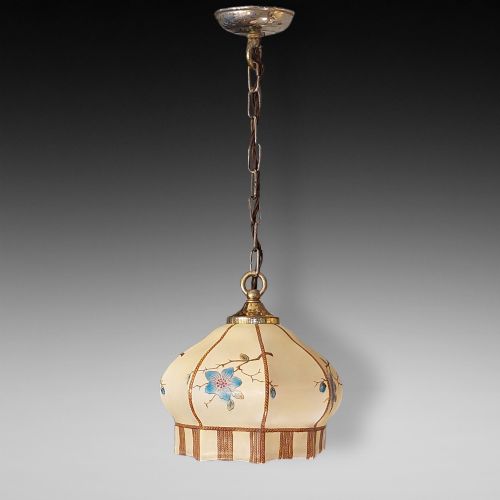
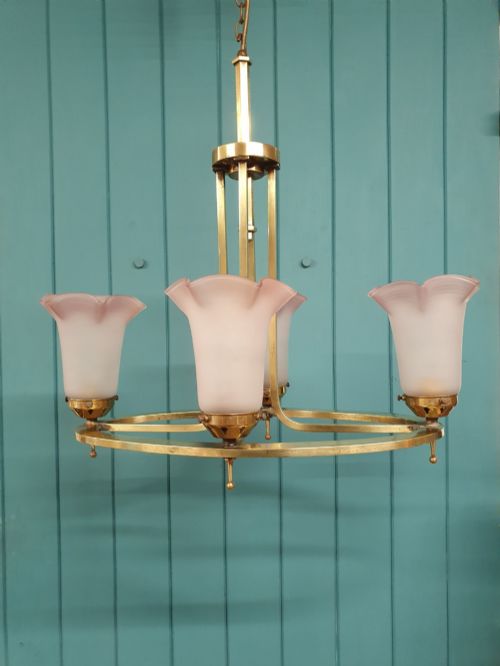
A 1920s glass pendant brings geometric form and luminous material together, illuminating interiors with distinct interwar style.
1920s Glass Pendant
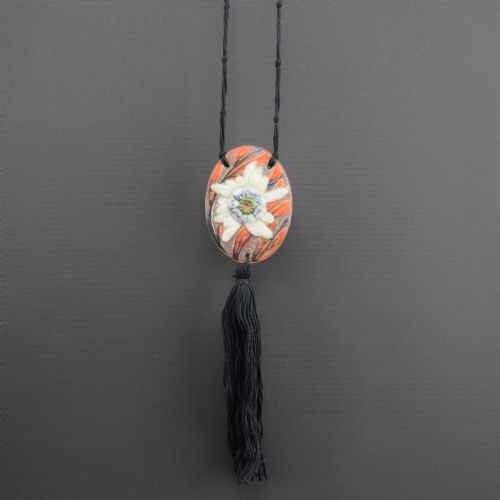
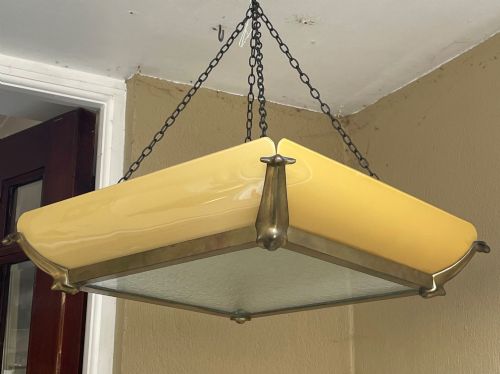
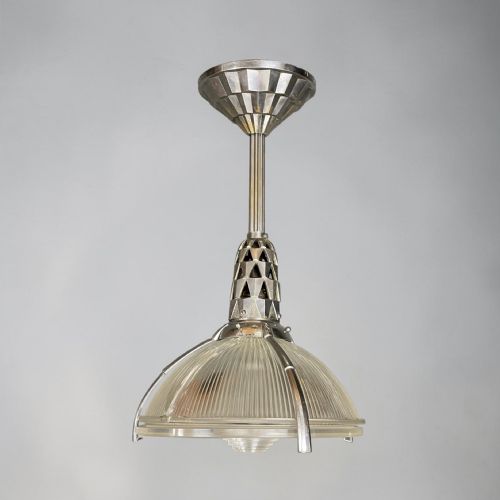
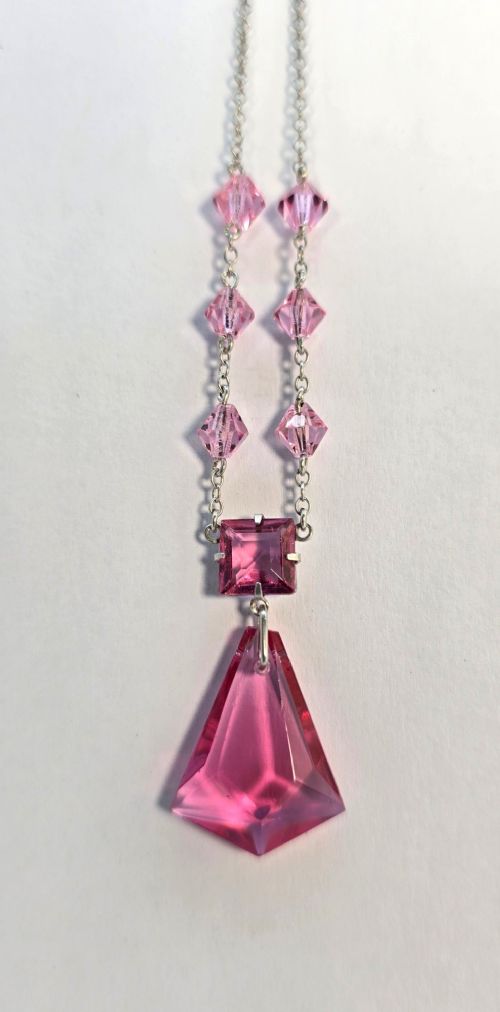
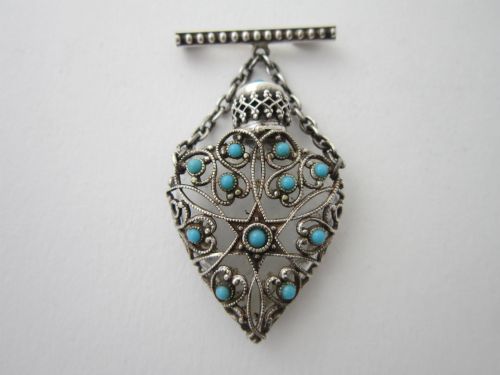
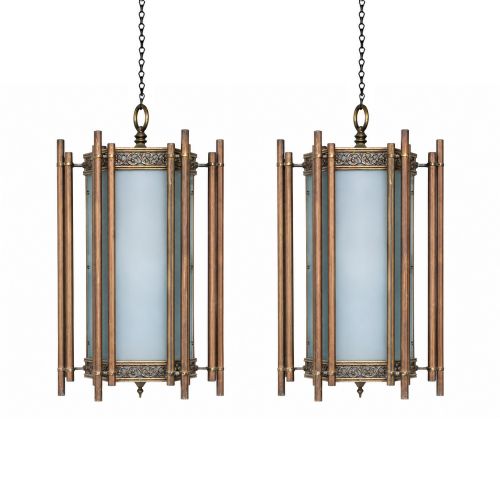
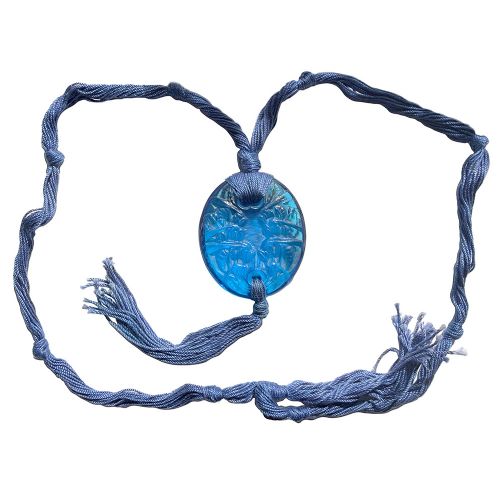
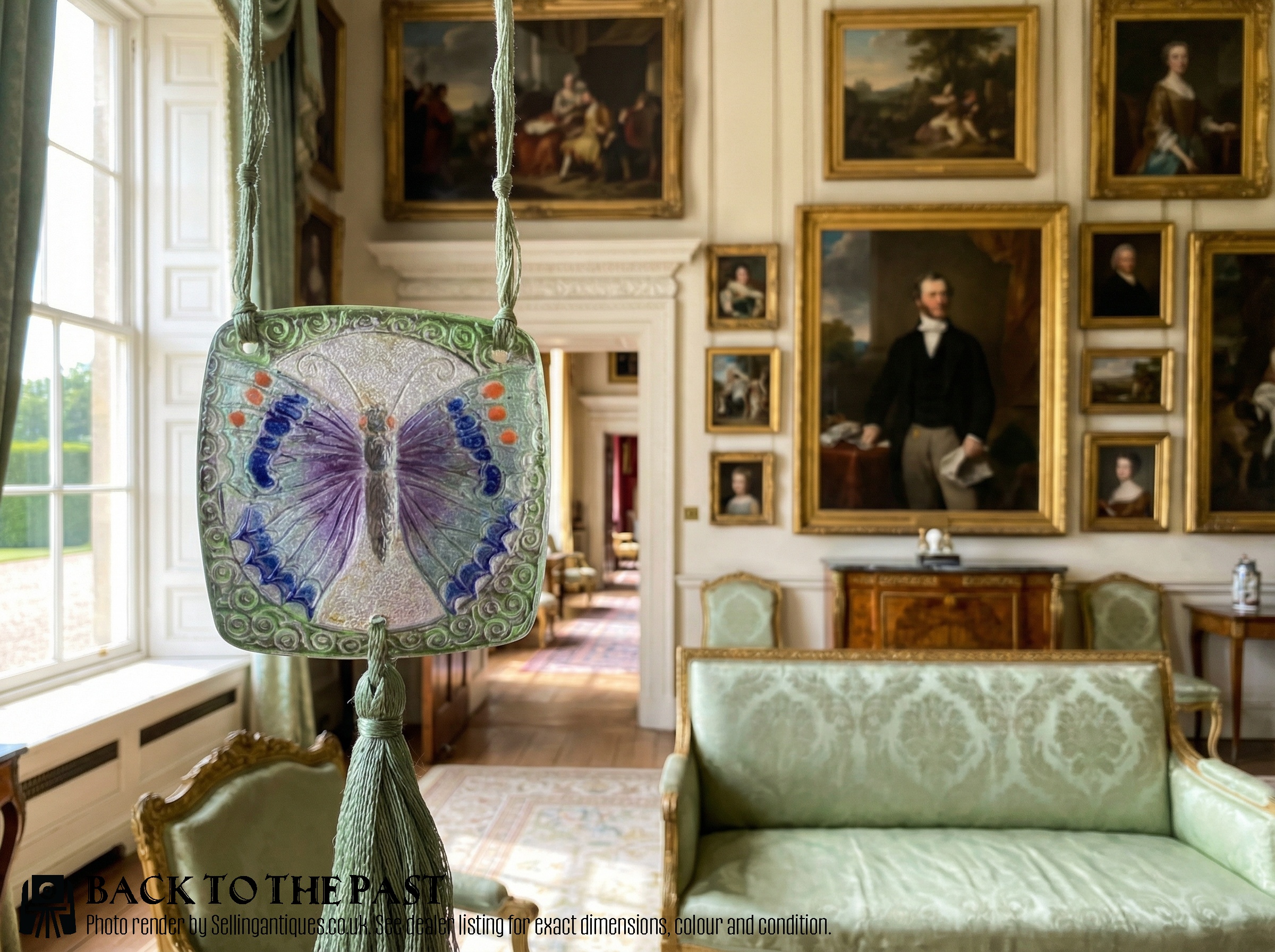
When searching for a 1920s glass pendant, collectors encounter a diverse array of hanging lights, ceiling fittings, and smaller personal ornaments. The selection encompasses architectural hanging lanterns alongside delicate pate de verre necklaces and scent bottles.
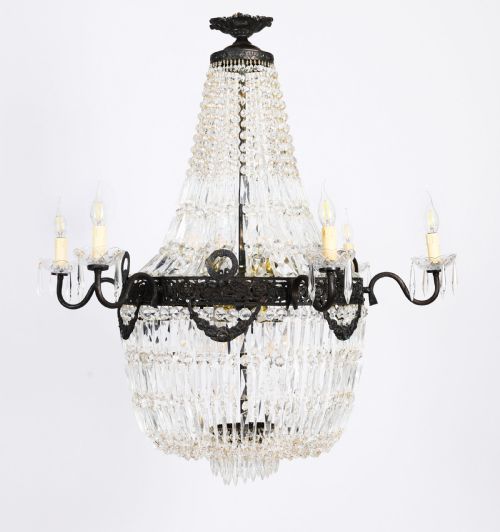
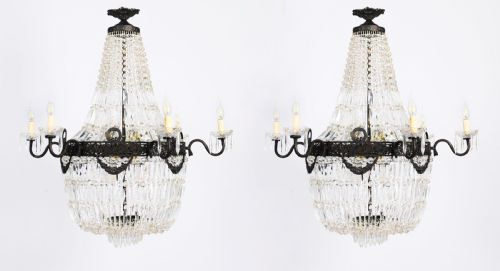
Art Deco styling dominates the pieces available, featuring geometric motifs and clean lines typical of the period. Alongside these, variations such as Louis Revival chandeliers and Edwardian-influenced brass fittings appear within the broader interwar selection.
Materials and construction methods
Glass forms the central element, utilising techniques from standard moulding and hand-cutting to specialist pate de verre production. Frosted finishes, opaque layers, and rich colourings define the visual appeal of these hanging shades.
Metal components provide structural support, with brass, chrome, copper, and silver frames holding the glass elements securely. Blacksmith-made cast iron and patinated galleries also appear on larger lanterns and pendant lights.
Listings feature hanging lights and chandeliers utilising glass, brass, and chrome alongside smaller items like necklaces and scent bottles.
Distinctions in quality
Quality rests upon the depth of artistic design and the refinement of the glassmaking technique employed. Pieces featuring specialist studio work, such as distinct pate de verre modelling or intricate acid-etching, stand apart from standard commercial production.
The integrity of the mounting hardware and metal fittings influences the overall standard of a hanging light. Original patinated galleries and substantial metalwork indicate superior manufacture compared to later replacements.
Argy Rousseau·Gueppes·R Lalique·Schneider
The 1920s Glass Pendant Glossary
- Pate de verre
- A glass-making method involving crushed glass packed into a mould and fused in a kiln. This technique creates subtle colour gradations and textured surfaces.
- Art Deco
- A design style prevalent during the interwar years characterising geometric symmetry and stylised motifs. It manifests across both lighting fixtures and personal ornaments.
- Frosted glass
- Glass treated to scatter light and create a translucent appearance. This finish softens the illumination emitted by pendant lights and ceiling lamps.
- Tent chandelier
- A lighting fixture configuration featuring strings of crystal beads draped from a central ring above a lower bowl. These structures appear in larger ballroom settings.
- Intaglio
- A design carved into the reverse of a glass or gemstone surface so the motif appears in relief from the front. It is frequently seen on pendant drops.
1920s Glass Pendant: Frequently Asked Questions
What defines a 1920s glass pendant?
These pieces comprise suspended ceiling lights and shades produced during the interwar period, typically exhibiting characteristic Art Deco or transitional styling. They utilise moulded, frosted, or coloured glass held within brass, copper, or chrome mounts.
Such fixtures served to illuminate domestic and public interiors, combining functional illumination with the modern decorative aesthetics of the decade.
How do I identify Art Deco lighting?
Art Deco lighting relies on stylised geometric patterns, symmetrical arrangements, and clean industrial lines rather than organic curves. Common indicators include stepped frames, frosted glass shades, and metalwork in brass or chrome.
The materials and overall silhouette reflect the progressive design sensibilities of the 1920s and 1930s.
Were these fixtures used in homes?
Pendant lights and hanging lanterns served as primary or accent illumination across hallways, reception rooms, and ballrooms. Smaller fittings provided focused illumination while contributing to the cohesive interior scheme.
Manufacturers produced various scales, from compact single-bulb shades to monumental multi-light chandeliers.
How should I clean antique glass shades?
Gentle maintenance preserves the original surface texture and any delicate patination on the surrounding metal gallery. Warm water and mild soap suffice for glass elements, avoiding harsh chemical abrasives.
Careful handling prevents accidental damage to fragile moulded or frosted areas during routine upkeep.