
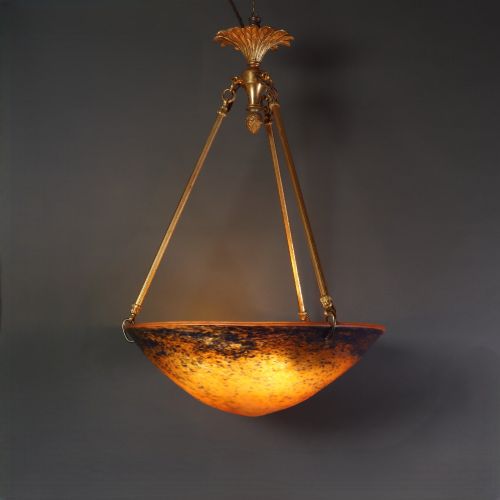
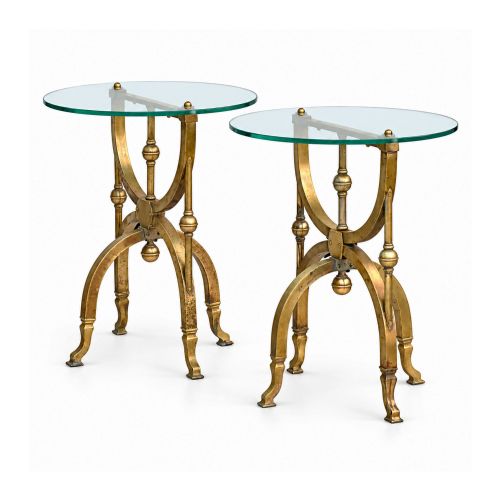
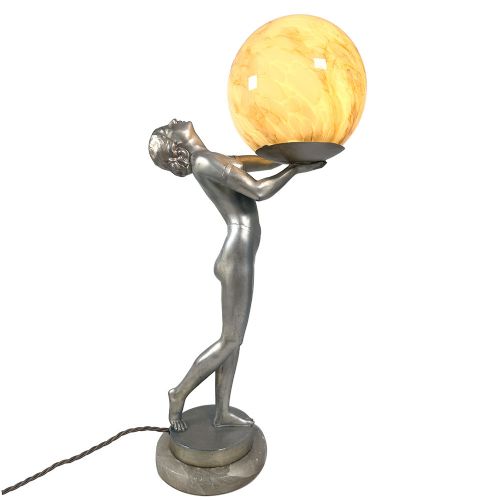
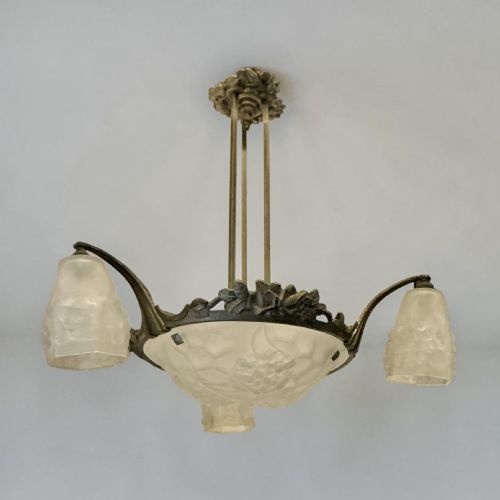


1920s Glass Lamp
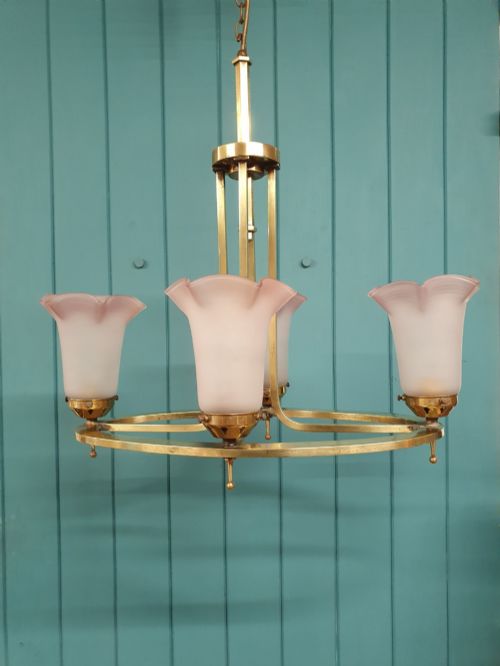
These 1920s glass lamp pieces bring period geometry and light diffusion into a room, offering functional illumination alongside distinct interwar character.
1920s Glass Lamp
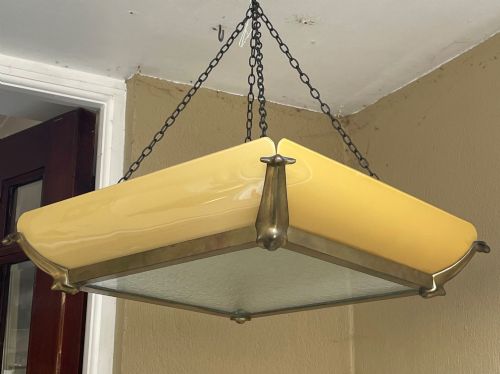
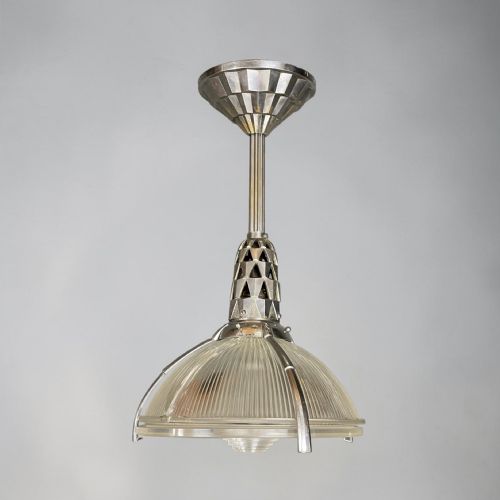
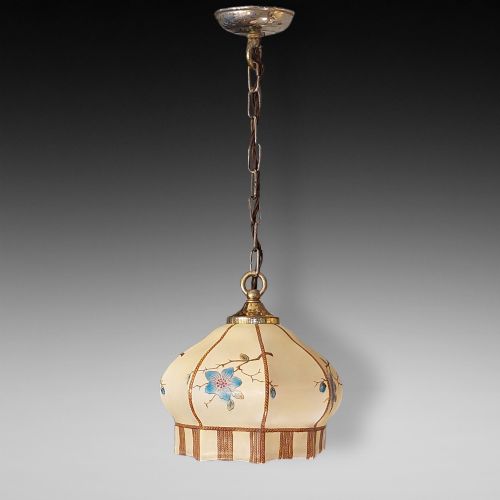
A 1920s glass lamp encompasses table lamps, floor lamps, wall lights, and hanging pendants produced during the interwar period. The search phrase covers diverse lighting forms, though table lamps and pendant lights appear most frequently among these listings.
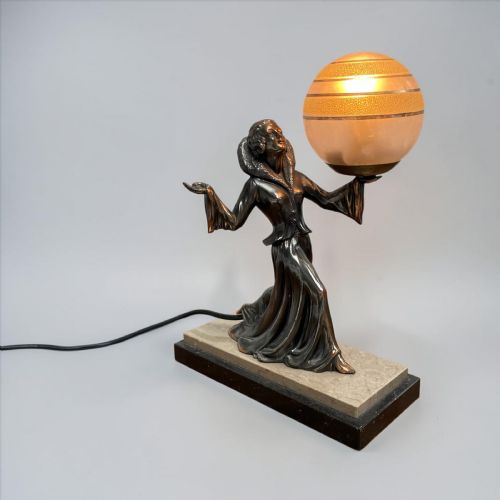
Makers and designers from this era utilised moulded, frosted, opaline, and mirrored glass combined with metal bases to achieve diffuse illumination. Pieces range from straightforward geometric shades to sculptural figurative table lamps incorporating glass elements.
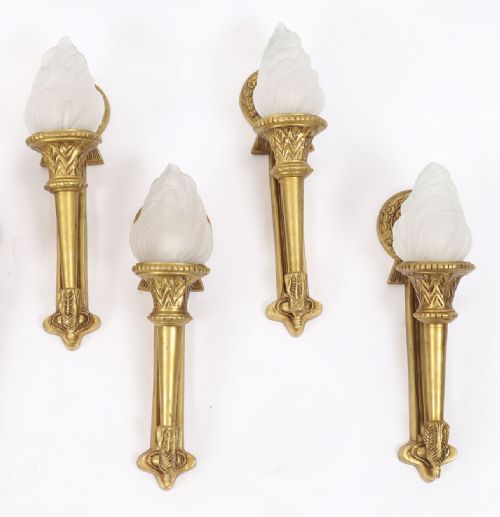
Stylistic influences span Art Deco, Neo-Classical, and occasional Gothic Revival or Moroccan Revival idioms. Buyers encounter everything from simple boudoir wall lights to substantial crystal chandeliers and multi-light brass fixtures.
Materials and Construction
Lighting from this decade relies heavily on combinations of glass and metal. Shades and bodies utilise frosted glass, opaline glass, mercury mirrored glass, cut crystal, or hand-painted glass components.
Metalwork supporting the glass typically involves brass, chrome, or ormolu for cleaner modern lines, alongside forged wrought iron and bronze for heavier structural bases and lanterns.
Selected pieces integrate carved marble bases, porcelain figures, or copper elements to anchor the glass shades, reflecting both industrial progression and traditional artisan casting techniques.
Listed object types include table lamps, pendant lights, chandeliers, ceiling lights, wall lights, and floor lamps.
Judging Quality in Interwar Lighting
Quality in these items depends on the weight and integrity of the materials, from heavy cast bronze and thick moulded glass to thinner pressed metal sheets. Heavier mountings and substantial glass thickness generally indicate superior manufacturing standards.
The precision of the metalwork, whether hand-chased ormolu, clean chrome plating, or detailed wrought iron blacksmithing, distinguishes standard production items from finer studio pieces. Original mounts and integrated decorative figures show greater artistic definition in higher tier examples.
The integration between the glass shade and its metal housing reveals structural intent, where bespoke fixings outlast generic replacement hardware.
Émile-Jacques Ruhlmann·Degue·Karl Ens·Anton Buschelberger·Bimini
The 1920s Glass Lamp Glossary
- Opaline glass
- A milky, semi-translucent glass that diffuses light softly without harsh glare. It was frequently utilised for table lamp columns and pendant globes during the early twentieth century.
- Ormolu
- Gilt bronze mounted onto decorative objects or light fittings, providing a rich metallic finish. It often appears in Neo-Classical wall lights and chandeliers from this era.
- Frosted glass
- Glass treated via acid etching or sandblasting to create a textured, opaque surface. This finish helps soften the glare from early electric bulbs.
- Lamp work
- A glassworking technique where a torch or lamp melts glass rods to shape small figures or delicate elements. This method creates sculptural details found on specialised table lamps.
- Art Deco
- A dominant design style of the interwar period characterised by streamlined geometric forms, stylised figures, and modern materials. It governs the majority of the lighting designs in this collection.
1920s Glass Lamp: Frequently Asked Questions
How do I wire a vintage lamp?
Vintage lamps generally require rewiring to meet modern safety standards before regular daily use. A qualified electrician can replace aged internal wiring while preserving the original brass or chrome exterior components.
Retaining the original sockets or switches is often possible if they remain in safe, working condition, ensuring the piece maintains its historical integrity.
Were these lamps originally electric?
Most lighting fixtures from this era were produced during the transition to widespread domestic electricity, though some domestic night lights and boudoir pieces retained converted oil or gas aesthetics. The vast majority designed in the 1920s were manufactured specifically for early electric bulbs.
Fittings often feature standard period bayonet or screw holders compatible with modern low-heat LED bulbs, which protect fragile antique glass from excessive thermal stress.
How do I clean frosted glass shades?
Cleaning frosted or opaline glass requires mild soapy water and a soft cloth to remove dust without damaging the surface texture. Abrasive cleaners and harsh scrubbing should be avoided to prevent scratching the vintage glass.
Metal components like brass or chrome need separate care, keeping polishes away from the glass edges to preserve any original patination or hand-painted details.
What rooms suit a 1920s pendant light?
Pendant lights and hanging lanterns from this decade provide focused or ambient illumination suited to hallways, dining spaces, or central living areas. Their distinct geometric silhouettes function as visual focal points even when unlit.
Ceiling height dictates the drop of the chandelier or pendant, requiring careful measurement to ensure proper clearance in domestic interiors.