




1920s Figure Painting
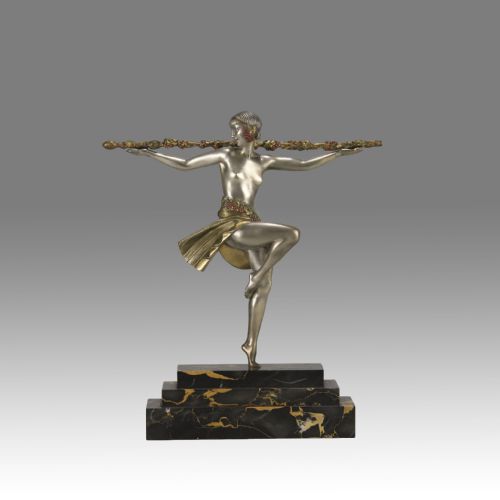
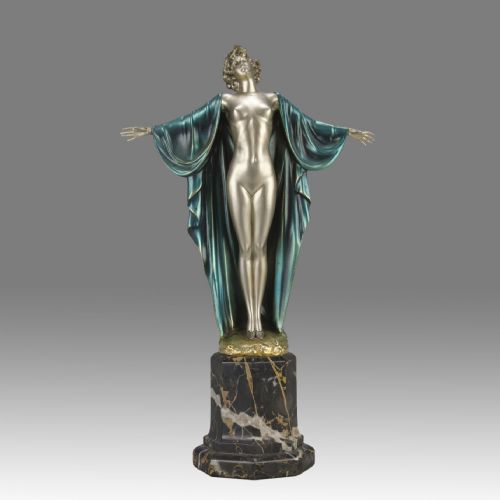
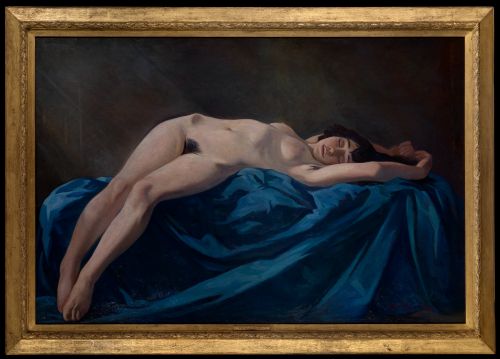
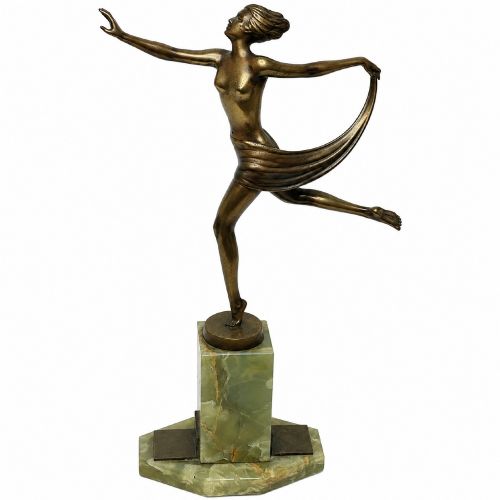
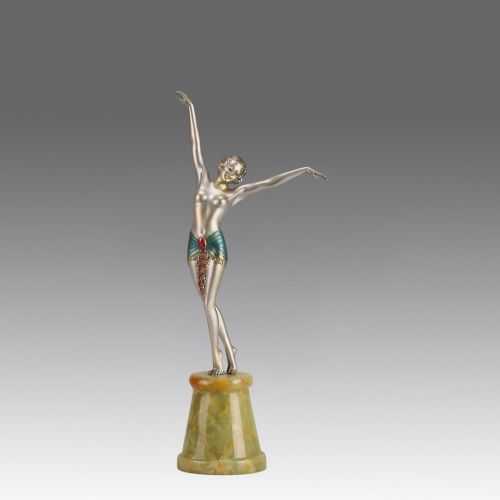
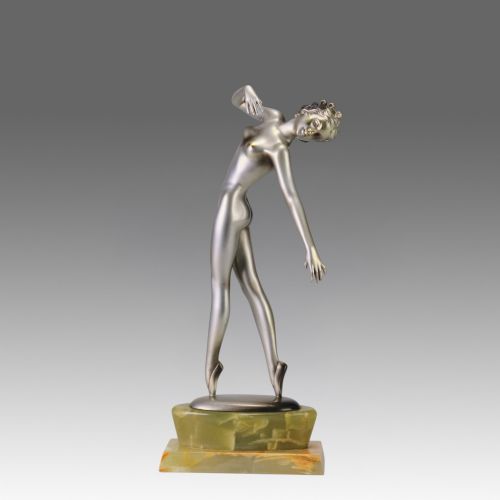
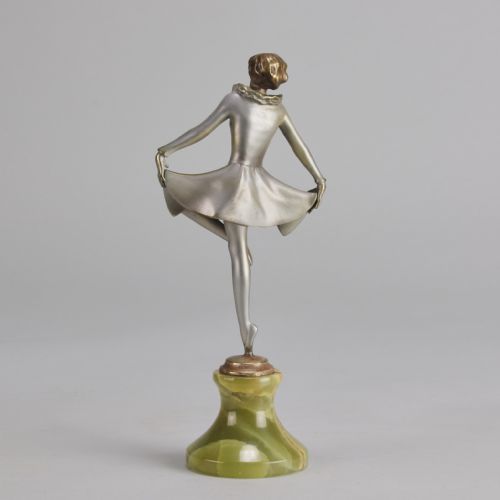
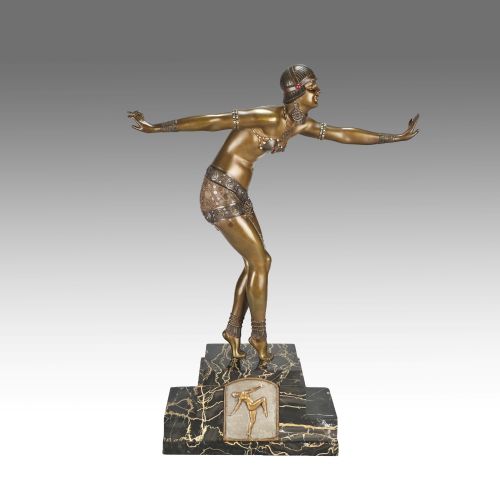
These examples of 1920s figure painting and sculpture capture the dynamic human forms and bold styling of an energetic era.
1920s Figure Painting
A search for 1920s figure painting delivers a diverse selection of fine art works, oil on canvas paintings, watercolours, and detailed sculptural figures. Collectors meet pieces ranging from academic realism and early twentieth-century modernism to fauvism and art deco expressions.
The category spans intimate watercolour studies, oils depicting dancers and nudes, and rigid sculptural figures mounted on onyx or marble bases. Many works ground themselves firmly in the stylistic vocabulary of the nineteen-twenties and nineteen-thirties, reflecting contemporary artistic movements across Europe.
Painted works frequently showcase human subjects in narrative or abstract settings, including harbour scenes, self-portraits, and character studies. Sculptural equivalents replicate these human subjects in metal and enamel, creating a tangible bridge between flat canvas and three-dimensional form.
Materials and construction methods
Painters utilised oil on canvas, watercolour, and oil on paper, applying pigments to capture the human form through modernist, cubist, or fauvist lenses. Canvases and papers record the visible brushstrokes and distinct palettes characteristic of the period.
Sculptors combined cold-painted bronze, gilt bronze, and ivory in chryselephantine pieces, mounting heavier metallic figures securely onto green onyx or marble bases. Cold painting involved applying unfired paint finishes directly onto the bronze surface to render costumes and skin tones.
Makers integrated enamel and wood into varied decorative objects, advertising figures, and desk tidies. These mixed media applications allowed workshops to produce both fine art canvases and decorative sculptural statuettes with robust structural integrity.
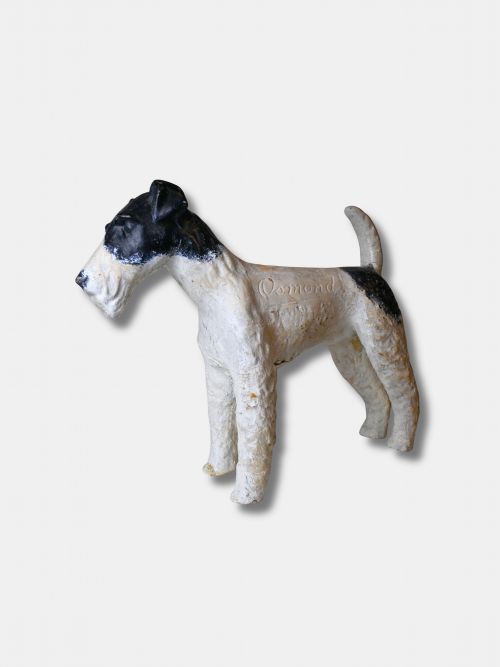
Even fierce nineteen-twenties foxes needed desk management, as evidenced by bronze fox figures perched atop practical desk tidies.
Quality variations in period works
Execution and precision in the handling of the human anatomy distinguish superior paintings and sculptures from simpler commercial outputs. Finer painted works display confident draughtsmanship and nuanced colour mixing, while lesser examples rely on rigid or repetitive forms.
The preservation of surface finishes, such as cold-painted enamel on bronze or delicate watercolours on paper, dictates the visual impact of a piece. Original patination and intact polychrome details elevate the standing of sculptural figures significantly.
The harmony between the primary figure and its secondary mount, such as a carved marble or onyx base, indicates the care taken during production. Well-integrated bases complement the proportions of dancers and nudes without overshadowing the central artistic intent.
Pierre le Faguays·Ferdinand Preiss·Josef Lorenzl·Demetre Chiparus·Bruno Zach
The 1920s Figure Painting Glossary
- Cold-painted
- A metal finishing technique where paint is applied to bronze without high-temperature firing. This method allowed makers to achieve vibrant multicoloured surfaces on small figurines.
- Chryselephantine
- A term describing statues made of a combination of bronze and ivory. Sculptors utilised this pairing to contrast metallic drapery with the warm, pale tones of carved ivory faces and hands.
- En grisaille
- A painting technique executed entirely in shades of grey, neutral grey, or monochromatic tones. Artists used this method to mimic the appearance of relief sculptures.
- Fauvism
- An early twentieth-century stylistic movement characterised by strong brushwork and fierce, non-naturalistic colours. Practitioners prioritised painterly qualities over realistic representations.
- Onyx
- A banded variety of chalcedony used frequently as a heavy, decorative mounting base for bronze sculptures. Its natural veining adds contrasting colour beneath metallic figures.
1920s Figure Painting: Frequently Asked Questions
What defines a nineteen-twenties painting?
Paintings from this decade typically reflect modernist, cubist, or fauvist movements, focusing on human subjects, nudes, and dancers with expressive brushwork.
Artists moved away from strict academic realism to experiment with bold forms, simplified lines, and vibrant colour palettes.
Where should these sculptures be displayed?
Bronze and ivory figures mounted on marble or onyx bases require stable indoor environments away from direct sunlight and excessive humidity.
Placing them on sturdy desks, sideboards, or dedicated display shelves ensures the stone bases and delicate cold-painted surfaces remain secure.
How do I identify art deco bronzes?
Art deco bronzes usually feature stylised human figures, often dynamic dancers or nudes with streamlined clothing and modern postures.
They frequently incorporate contrasting materials like ivory or gilt highlights and stand firmly on geometric marble or onyx plinths.