



1920s Etching
A 1920s etching brings the sophisticated draftsmanship and vibrant interwar spirit of the era directly onto your wall.
1920s Etching
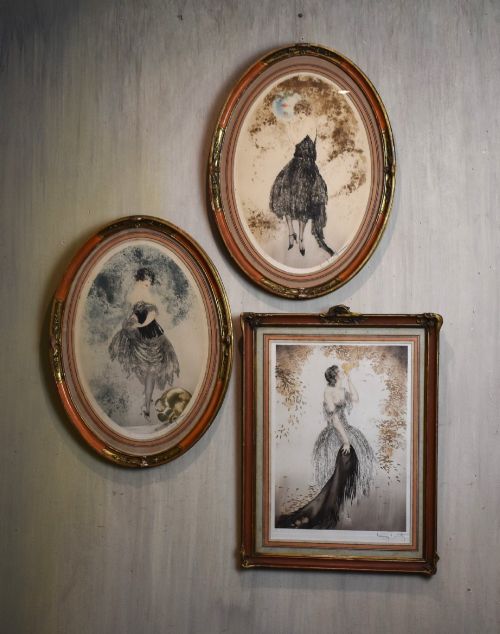
A 1920s etching captures the artistic sensibilities of the interwar period through fine ink impressions on paper. These works reflect both the early twentieth-century realism and the decorative flourishes popular at the time.
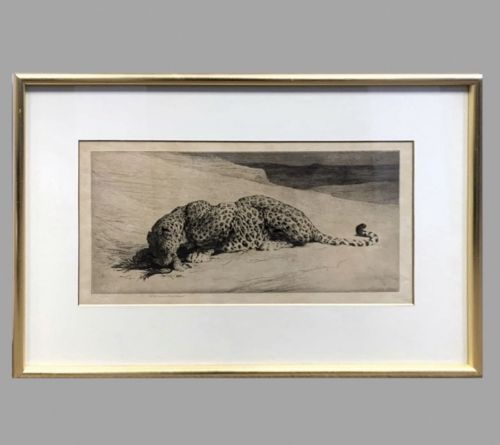
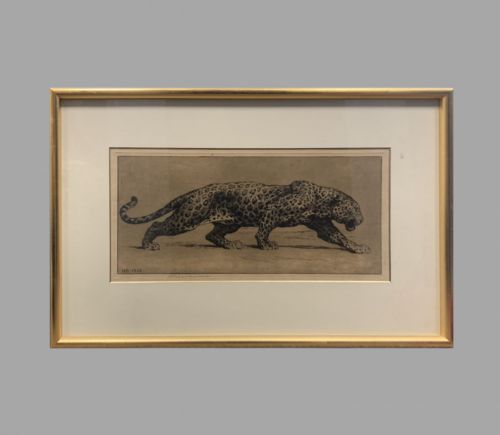
Collectors frequently encounter signed artist proofs and limited editions from prominent printmakers of the decade. Subjects range from detailed animal studies to figures framed within urban landscapes.
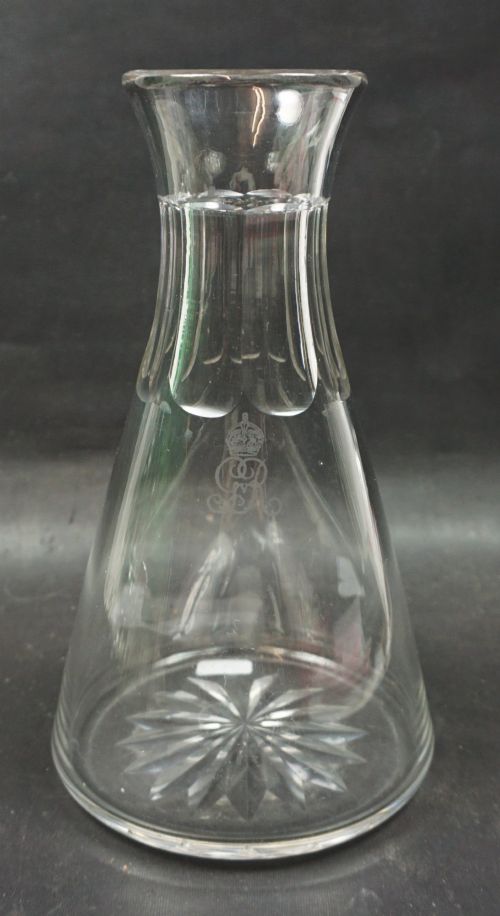
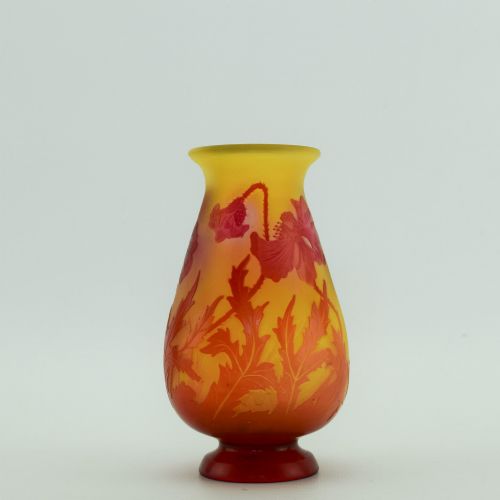
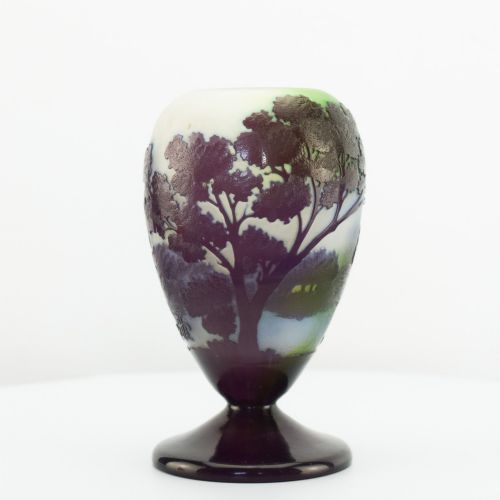
While the search specifically targets print works, the wider aesthetic of the period extends across media into cameo glass vases and decorative home accessories.
Materials and Technique
Printmakers of this decade utilised quality paper and rich black or coloured inks to pull their impressions from metal plates. Many plates incorporated drypoint and aquatint methods alongside traditional etching lines to build tonal depth.
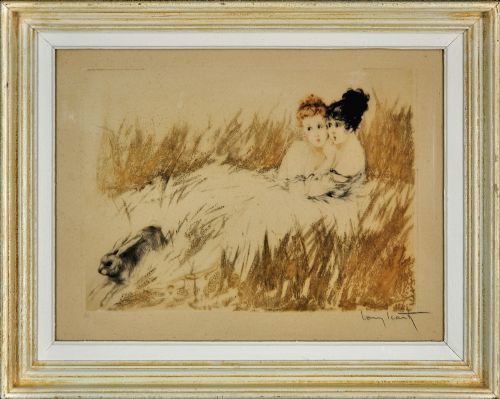
Hand colouring was often applied subsequently to enhance specific details within the composition, particularly on prints produced in limited runs for the salon market.
1920s Etching Retail Price Guide 2026
Typical asking prices for 1920s etching among the pieces listed under this phrase on Sellingantiques today, from the lower quarter to the upper quarter. They describe what is for sale here now, not the wider market.
Among the glass and paper pieces, an antique cheese dish from the interwar period sits ready to serve.
Factors of Quality
The distinction between standard prints and the top of the range rests upon the crispness of the impression and the presence of a pencil signature by the artist. Artist proofs pulled early in the edition generally display sharper detail across the fine lines.
Condition of the paper and the integrity of the framing further separate examples, as light exposure and acidity can degrade the background sheet over the decades.
Herbert Dicksee·Louis Icart·Emile Galle·Thomas Webb and Sons·Schneider·Paul Nicholas
The 1920s Etching Glossary
- Etching
- A printmaking process where acid bites lines into a metal plate to hold ink. This technique allows for expressive, fluid line work.
- Drypoint
- A method of engraving directly into a metal plate with a sharp needle. It creates a characteristic velvety line due to the displaced metal burr.
- Aquatint
- A printmaking technique that produces tonal areas resembling watercolour washes. It achieves this by etching resin-covered plates.
- Artist Proof
- An impression reserved for the creator outside of the numbered commercial edition. These are typically prized by collectors for their early pull quality.
- Cameo Glass
- Glass vessels formed with multiple fused layers of different colours, then carved or acid-etched to reveal contrasting designs. The process requires precise skill.
1920s Etching: Frequently Asked Questions
How do I care for a paper etching?
Keep the framed work away from direct sunlight to prevent the paper from yellowing and the ink from fading over time.
Ensure the framing uses acid-free materials to protect the sheet from chemical degradation in the backing board.
What is an artist proof?
An artist proof is an impression given to the creator for inspection before the main commercial edition is printed.
These impressions are often identical in quality to the numbered run and carry the creator's personal signature.
How do I identify a genuine period print?
Examine the paper closely under magnification to check for plate marks left by the press embedding the metal edges into the sheet.
Look for period framing methods and paper characteristics consistent with interwar production standards.
Why are some prints hand coloured?
Publishers and artists occasionally added watercolour tints by hand to enhance the visual appeal of limited editions.
This extra step made individual impressions unique and catered to collectors seeking decorative interwar art.