



1920s Drop Earrings
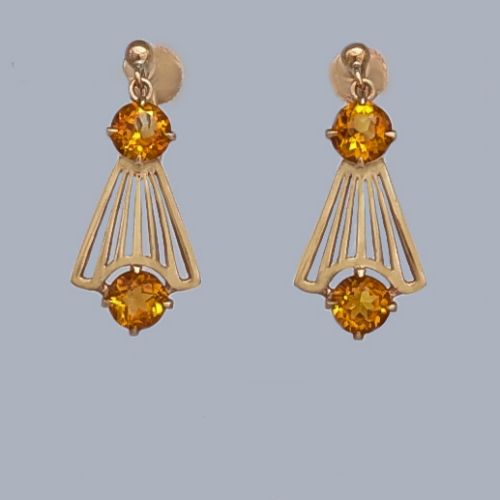
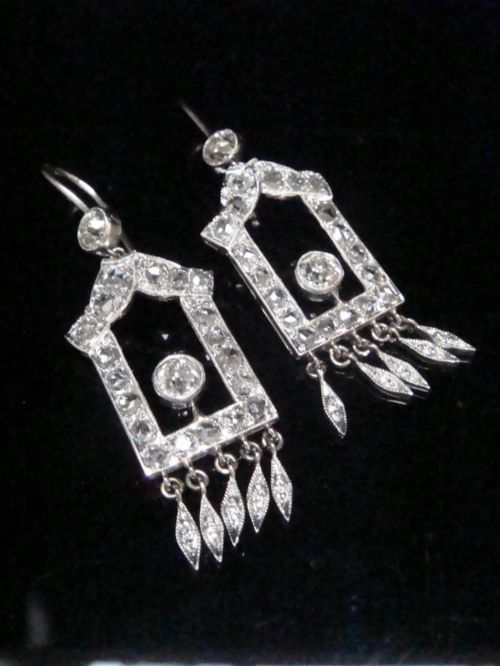
These 1920s drop earrings capture the geometric lines and brilliant sparkle of the Art Deco era, offering sophisticated movement that collectors desire.
1920s Drop Earrings
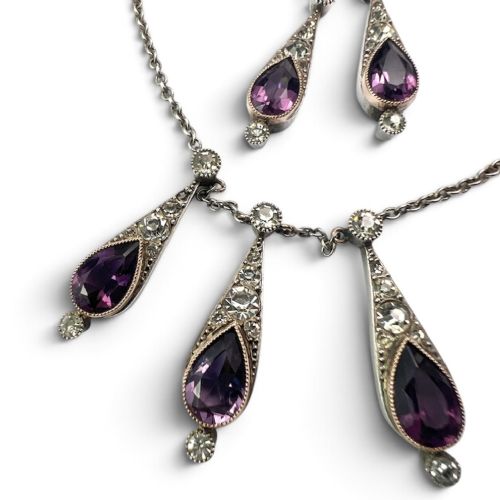
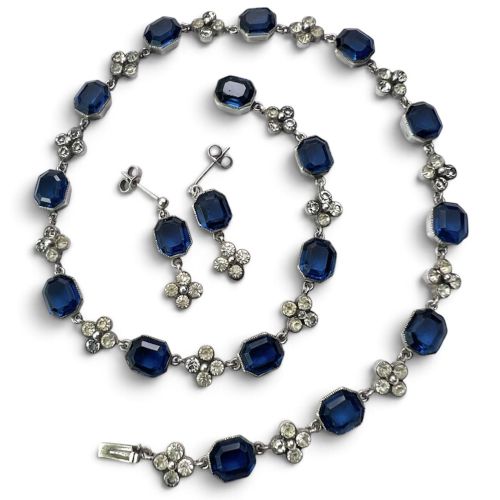
When you search for 1920s drop earrings, you encounter items defined by the distinct geometric vocabulary of the Art Deco period, alongside occasional pieces bridging the Edwardian era. These jewels hang below the earlobe, utilising articulated mounts to create fluid movement as the wearer turns.
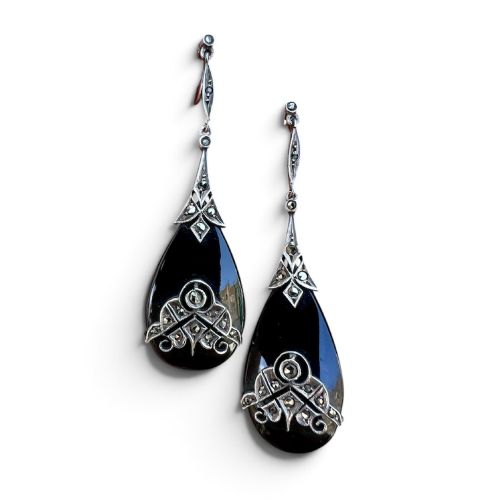
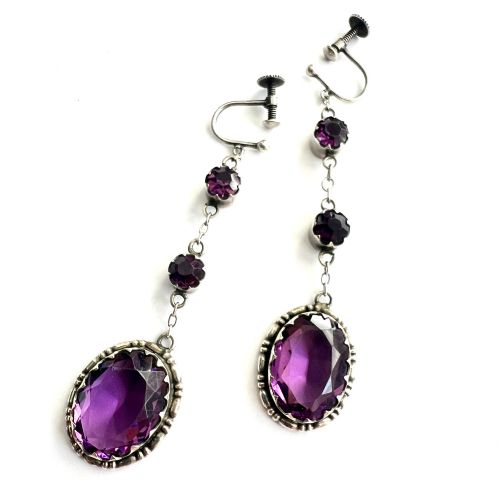
The selections span from precious platinum and diamond configurations to accessible silver, marcasite, and paste glass designs. Jewel sets and dangling screwback forms also appear, reflecting the diverse manufacturing approaches of the period.
How they were made
Metals such as platinum and 18ct white gold provide strong yet fine settings for diamonds, sapphires, and aquamarines, allowing intricate pierced work without bulk. Silver and chrome frequently partner with marcasite, paste glass, or chrysoprase for accessible designs.
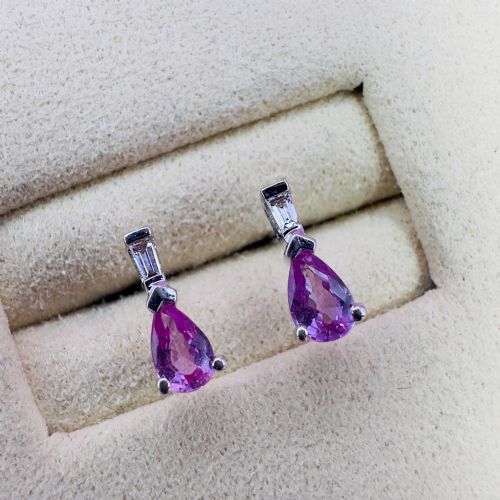
Artisans employed precise stone cuts, including pear, trapezoid, and old European cuts, mounting them in articulated sections that permit natural sway. Screwback findings and traditional hook wires secure the pieces, accommodating both pierced and unpierced ears.
Night and day drop earrings let wearers detach the lower sections, transforming dramatic evening chandeliers into subtle daytime studs.
What varies in quality
The distinction between top-tier examples and simpler pieces rests on the choice of materials and the precision of the metalwork. Platinum settings housing substantial old-cut diamonds represent the height of the period's output.
Simpler silver and base metal pieces utilising paste glass, mother of pearl, or synthetic stones demonstrate the commercial reach of the style. The sophistication of the articulation and the clarity of stones differentiate fine high-status jewels from everyday accessories.
The 1920s Drop Earrings Glossary
- Art Deco
- A design style dominant in the 1920s and 1930s characterised by clean geometric lines, stylised motifs, and modern industrial influences. This aesthetic replaced the flowing curves of the preceding Edwardian period.
- Paste glass
- Hand-cut and polished glass utilised to imitate precious gemstones in antique jewellery. It allows for vibrant colour and brilliance without the cost of natural stones.
- Articulated
- Designed with hinged or jointed sections that allow the components to move independently. This technique gives drop earrings their characteristic sway.
- Old cut
- A vintage diamond cutting style predating modern brilliant cuts, featuring a small table, high crown, and large open culet. These stones catch candlelight and low illumination with a distinct soft glow.
1920s Drop Earrings: Frequently Asked Questions
How do I know if they are authentic 1920s?
Authentication relies on examining the construction methods, such as hand-pierced platinum galleries, claw settings appropriate for old-cut stones, and period-specific findings like screwbacks.
Materials like phenolic bakelite, marcasite set in sterling silver, and platinum-topped gold further anchor a piece to the 1920s and 1930s aesthetic.
Are these earrings suitable for daily wear?
Many fine drop earrings from this era suit regular use, provided the settings and secure fastenings undergo professional inspection.
Delicate paste glass or drop pearls require careful handling to prevent damage, whereas platinum and diamond examples endure routine wear robustly.
Did women wear clip-on or pierced earrings?
Both pierced wires and screwback mechanisms were common during this decade, accommodating the varied preferences of the era.
Screwback findings appear frequently on non-pierced styles, allowing modern collectors without pierced ears to wear original period pieces comfortably.
What is the difference between Edwardian and Art Deco drop earrings?
Edwardian drop earrings typically feature delicate platinum lacework, millegrain edges, and flowing garlands influenced by the late nineteenth century.
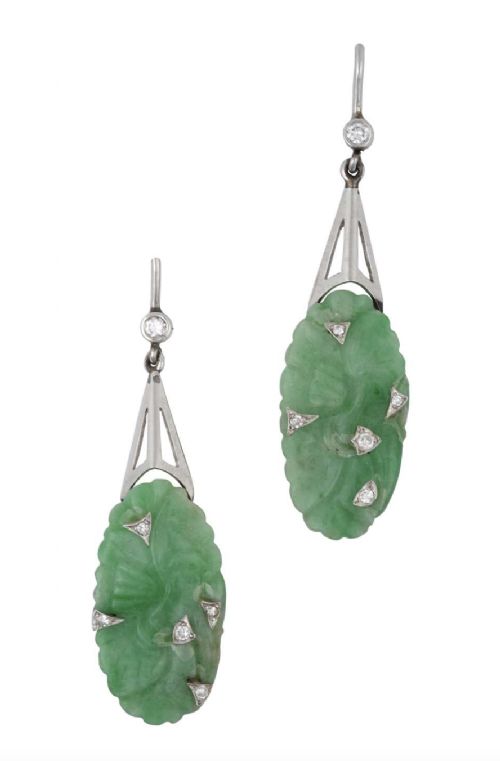
Art Deco examples shift toward bold symmetry, strong vertical lines, and geometric colour contrasts using gemstones like jade, sapphire, and onyx.