




1920s Decorative Vase
A 1920s decorative vase brings distinct period presence to a room, offering the bold geometry of Art Deco or the intricate nature motifs of cameo glass.
1920s Decorative Vase
When searching for a 1920s decorative vase, you encounter a diverse mix of moulded French glass, lustrous English earthenware, and Japanese export wares. These pieces range from substantial footed vessels to covered jars, reflecting the shifting tastes of the interwar period alongside lingering Victorian influences.
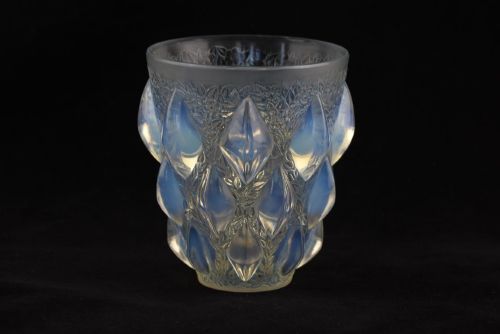
Moulded and opalescent glass vessels designed by makers such as René Lalique and Emile Gallé dominate the selections, alongside earthenware pieces featuring hand-enamelled designs or lustre glazes. Forms vary from slender botanical shapes to wide bowls, often decorated with floral or abstract patterns characteristic of the era.
How they were made
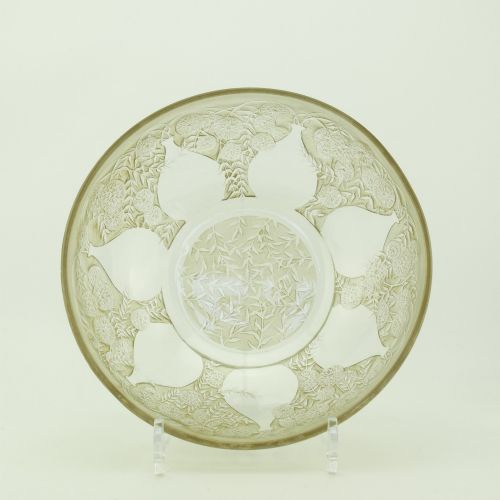
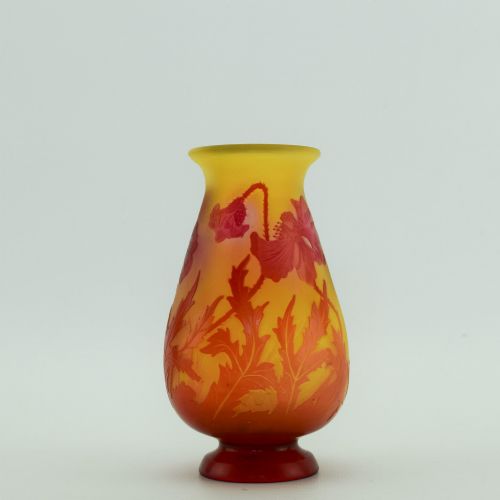
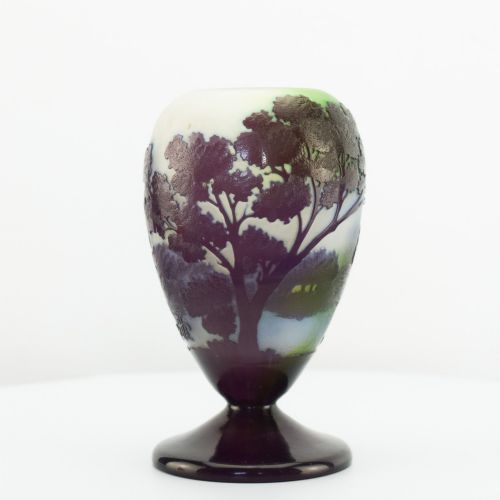
Glassmakers utilised acid-etching, cameo carving, and moulding techniques to create layered depths and tactile surface textures on frosted and opalescent bodies. These methods allowed artists to build complex botanical and landscape designs directly into the material of the vessel.
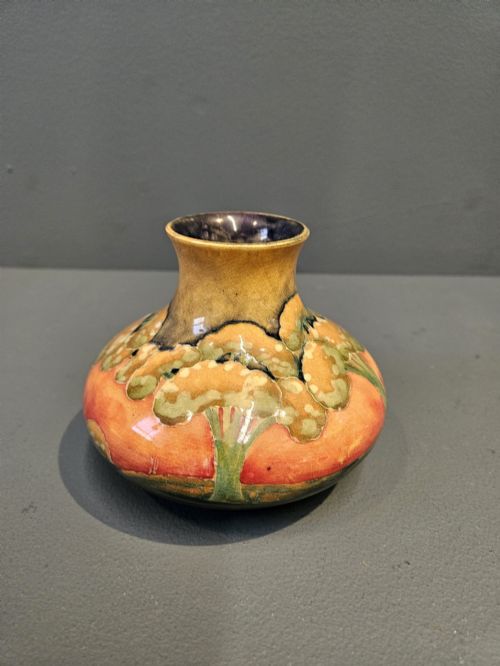
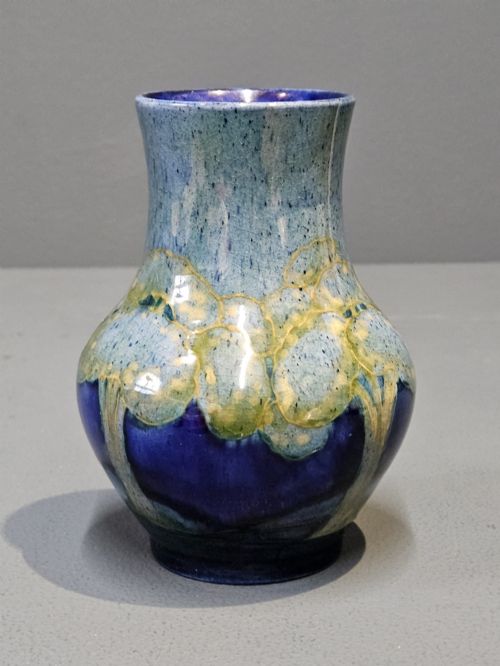
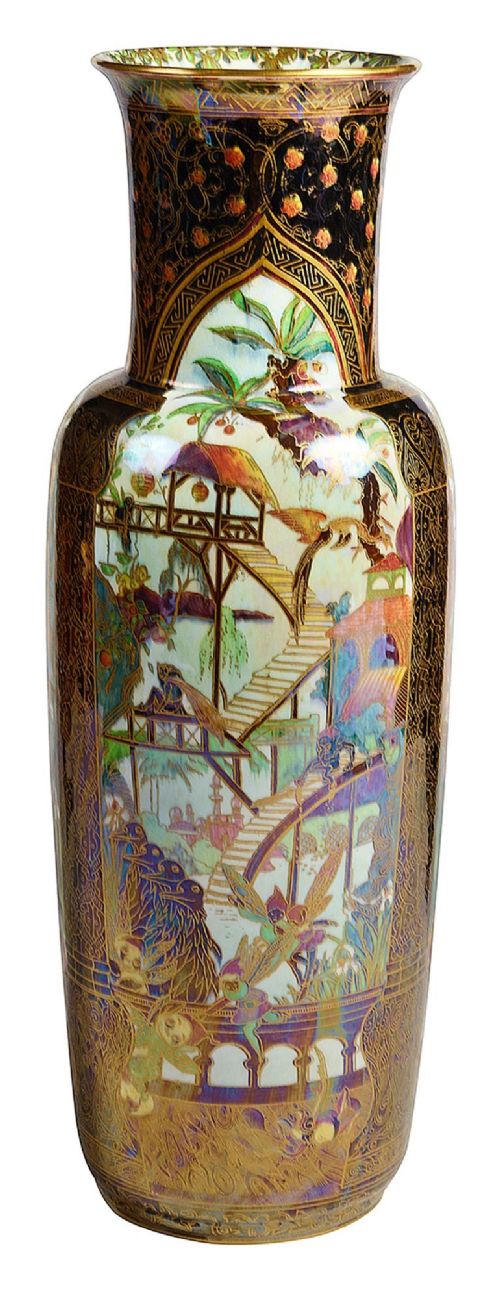
Potters shaped earthenware and porcelain bodies on the wheel or in moulds before applying metallic lustre glazes, gold leaf, and hand-enamelled pigments. Kiln-firing fixed these iridescent finishes and rich colours, resulting in durable decorative surfaces that catch the light.
1920s Decorative Vase Retail Price Guide 2026
Typical asking prices for 1920s decorative vase among the pieces listed under this phrase on Sellingantiques today, from the lower quarter to the upper quarter. They describe what is for sale here now, not the wider market.
One inquisitive parrot gazes out from a hand-enamelled earthenware vessel, keeping watch over the entire ceramic menagerie.
What varies in quality
The sophistication of the design execution and the crispness of the modelling separate the finer examples from standard production pieces. Intricate cameo glass layering and deeply relief-moulded glass demand a higher level of technical mastery from the studio.
The subtlety of the glaze work, whether an iridescent lustre or a delicate enamel application, dictates the visual depth of the ceramic pieces. Stronger artistic attribution and careful hand-finishing elevate certain works above standard factory output.
Rene Lalique·Emile Galle·Thomas Webb and Sons·Wedgwood·Royal Lancastrian
The 1920s Decorative Vase Glossary
- Cameo glass
- A method of glassmaking utilising multiple layers of coloured glass fused together and carved to create contrasting relief designs. This technique requires considerable skill to avoid cutting through the background layer.
- Lustre glaze
- A type of ceramic finish containing metallic elements that produce an iridescent sheen when fired in a reduced oxygen kiln. Wedgwood and Minton frequently employed this technique to create shimmering surface effects.
- Opalescent glass
- Glass that milky or translucent in appearance, often shifting in colour depending on the angle of the light. René Lalique utilised this property extensively to accentuate moulded botanical motifs.
- Art Deco
- A design style characterised by sleek geometric shapes, stylised floral motifs, and modern industrial influences. This aesthetic superseded Art Nouveau during the period.
1920s Decorative Vase: Frequently Asked Questions
How do I identify a Lalique glass vase?
Look for crisp relief moulding in opalescent, frosted, or clear glass featuring naturalistic subjects like foliage and flowers. Signatures and numbering are often etched or moulded directly into the base.
Examine the weight and tactile quality of the glass, as genuine period pieces possess a substantial feel and precise detailing that later reproductions struggle to replicate accurately.
What is lustre ware?
Lustre ware is pottery finished with a metallic glaze that creates an iridescent, shimmering surface when exposed to light. Makers like Wedgwood and Minton applied this technique to enhance decorative motifs.
The metallic sheen results from precise chemical reactions during the kiln firing process, giving the earthenware a distinctive polished appearance.
How should I display a cameo glass vase?
Place your glass vase near a natural light source to allow the carved layers and translucent colours to illuminate fully. Avoid high-traffic areas where the vessel might be knocked.
Using a stable surface ensures the footed base remains secure, while adequate spacing lets the intricate cameo carvings stand out without visual clutter.
Are Japanese export vases from this period traditional?
Japanese export ceramics from this era, such as Satsuma and Kutani wares, often catered to Western tastes while retaining traditional hand-painted enamel and gilt techniques. These pieces combine classic forms with ornate decorative panels.
They reflect the cross-cultural exchange popular during the early twentieth century, merging Eastern craftsmanship with the demands of European and American collectors.