


1920s Dancer Table Sculpture
A 1920s dancer table sculpture captures the kinetic energy of the jazz age in bronze, spelter, and marble.
1920s Dancer Table Sculpture
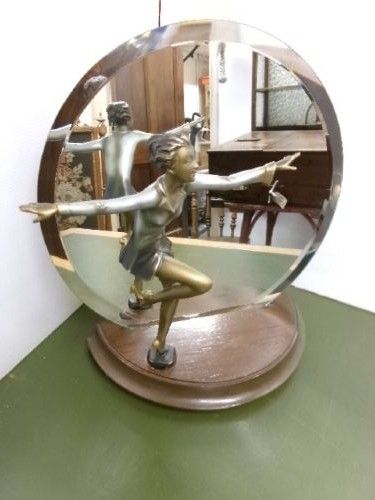
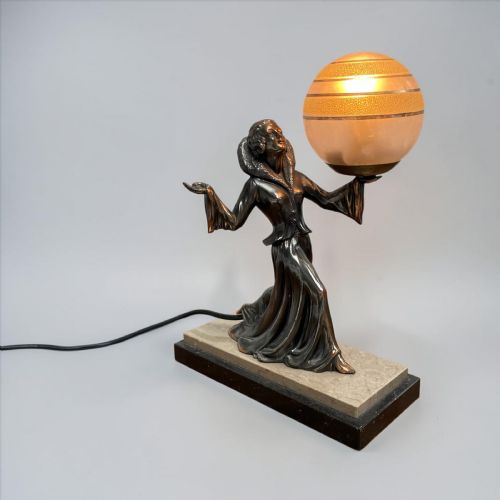
When you search for a 1920s dancer table sculpture, you encounter figures and lamps capturing movement from the Art Deco period. These objects take the form of table lamps, statuettes, and sculptures designed to sit on furniture.
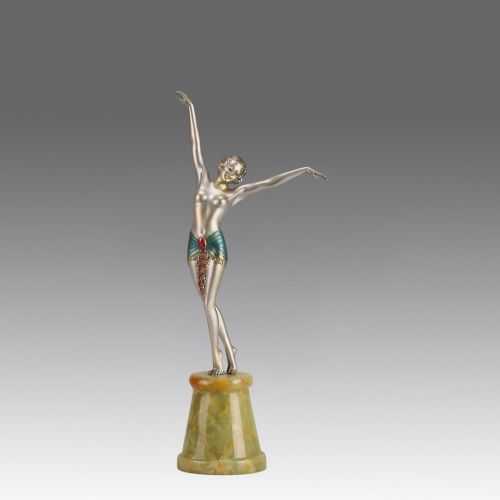
You are most likely to meet figures cast in bronze, patinated metal, or spelter, frequently mounted upon marble or onyx bases. The subjects include female dancers, oriental dancers, and Egyptian dancers.
The aesthetic is strictly Art Deco, spanning the years 1920 and 1930. Pieces range from single standing figures to pairs of dancers and figural table lamps.
How they were made
The construction relies on metal casting, utilising bronze, gilt bronze, silver-plated metal, and spelter. Many figures receive cold-painted finishes to render costume details and skin tones.
Bases are cut from solid blocks of marble, onyx, or alabaster to anchor the figures securely. Glass elements also appear, particularly in the form of frosted glass panels integrated into lamp designs.
Listings feature works from the 1920 and 1930 periods, executed in bronze, spelter, marble, onyx, and glass.
What varies in quality
Quality rests in the fidelity of the metal casting and the crispness of the chasing work across the figure. Finer examples display subtle cold-painting and detailed modelling of the dancer's form.
The material chosen for the base marks a clear division, with dense polished marble and onyx supporting higher-tier sculptures. Signed works by notable sculptors carry distinct craftsmanship that elevates the piece above standard foundry output.
Josef Lorenzl·Colinette·Demetre Chiparus
The 1920s Dancer Table Sculpture Glossary
- Spelter
- A zinc alloy frequently used as a cheaper alternative to bronze for casting figures. It takes patination and paint well, though it is softer than bronze.
- Cold-painted
- A technique where paint is applied to a metal object without firing it in a kiln. This method allows for delicate polychrome details on bronze and spelter sculptures.
- Patinated metal
- Metal treated with chemicals to produce a decorative surface finish or colouration. This protects the underlying metal while enhancing visual depth.
- Art Deco
- The dominant design style of the 1920s and 1930s characterised by streamlined forms and geometric symmetry. It heavily influenced sculpture, lighting, and decorative arts.
- Onyx
- A banded variety of chalcedony quartz used extensively for sculptural bases during the period. Its natural stratification provides varied translucent colouration.
1920s Dancer Table Sculpture: Frequently Asked Questions
What materials make up a 1920s dancer table sculpture?
These sculptures utilise bronze, gilt bronze, silver-plated metal, patinated metal, and spelter for the figures. Bases consist of solid marble, onyx, or alabaster.
Some pieces incorporate frosted glass, particularly those functioning as table lamps. The combination of cast metal and stone provides the necessary weight for table display.
How do I distinguish bronze from spelter figures?
Bronze is heavier, harder, and maintains a sharper level of detail in the casting compared to spelter. Spelter is a softer zinc alloy that may show white oxidation beneath worn paint.
Markings and signatures also assist, as bronze figures more frequently bear foundry stamps or artist signatures. Examining the underside often reveals the nature of the metal.
Where should I place a dancer table sculpture?
These pieces suit placement on sideboards, mantelpieces, and heavy tables where their vertical form stands out. Table lamp variants function well on desks or side tables.
Keep them away from direct sunlight and damp conditions to protect marble bases and cold-painted metal surfaces. Stable placement prevents accidental tipping of top-heavy figures.
Are these sculptures signed by artists?
Some pieces feature signatures cast directly into the metal or inscribed onto the marble base. Signatures indicate specific sculptors associated with the Art Deco period.
Unsigned pieces remain common and reflect general foundry production of the era. Both signed and unsigned works capture the same stylistic movement.