




1920s Carved Oak Table
A 1920s carved oak table brings solid construction and rich period detail into a modern room.
1920s Carved Oak Table
When you search for a 1920s carved oak table, you encounter practical furniture produced during a period of revival styles. The pieces reflect a strong preference for durable hardwood and traditional joinery adapted for interwar homes.
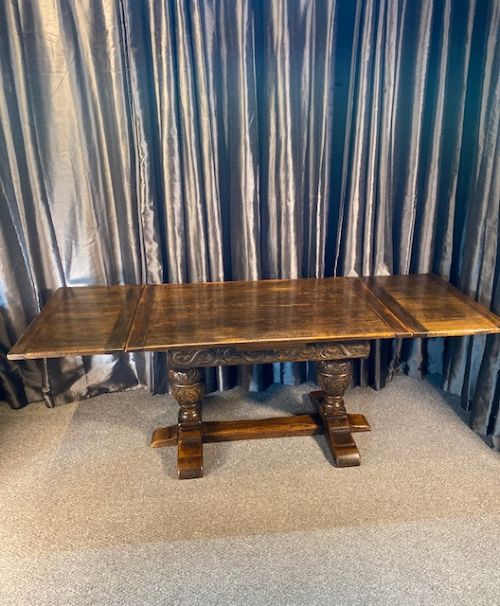
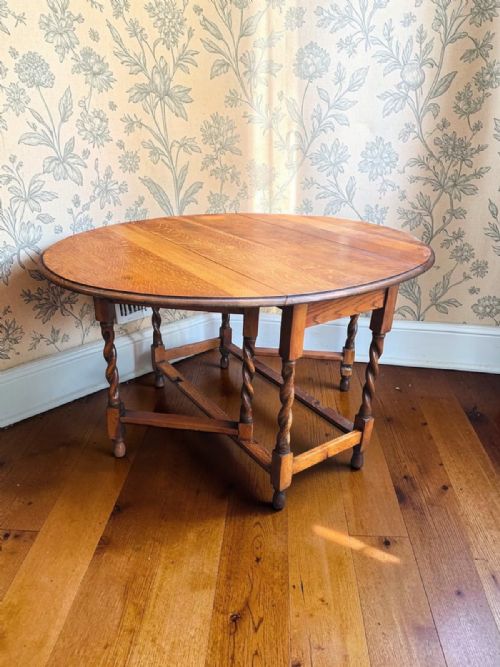
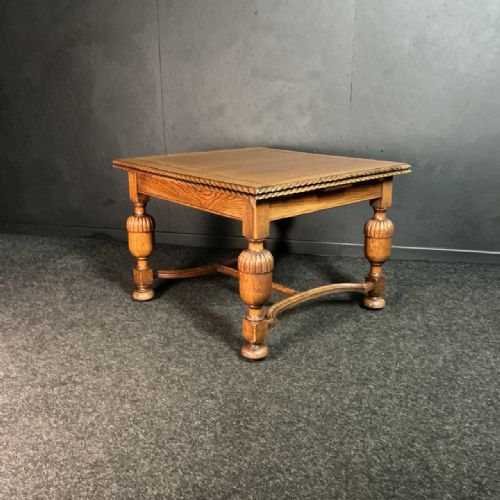
The selection on this page centres heavily on the year 1920, incorporating Edwardian survivals and items spanning side tables, dining tables, console tables, and coffee tables. Gateleg and draw leaf formats dominate the dining options, providing flexible surfaces for everyday use.
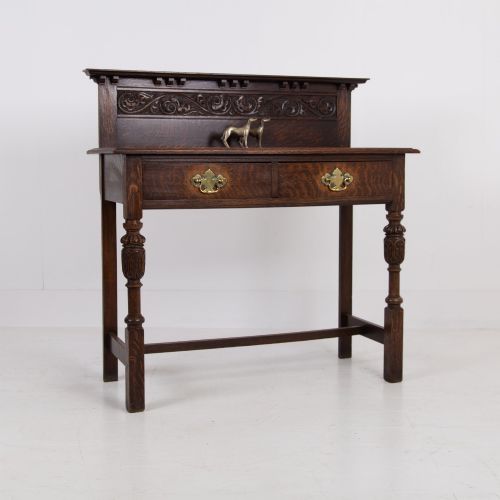
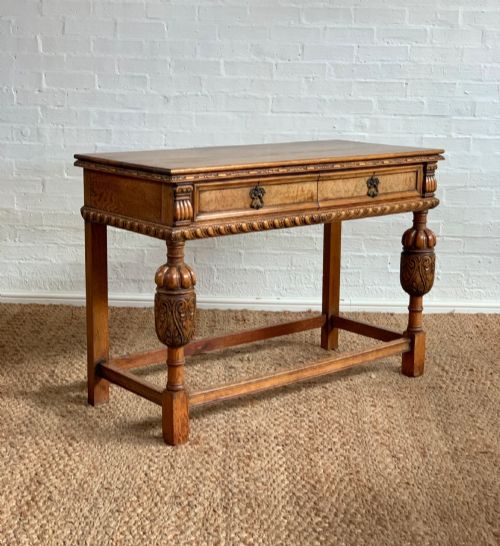
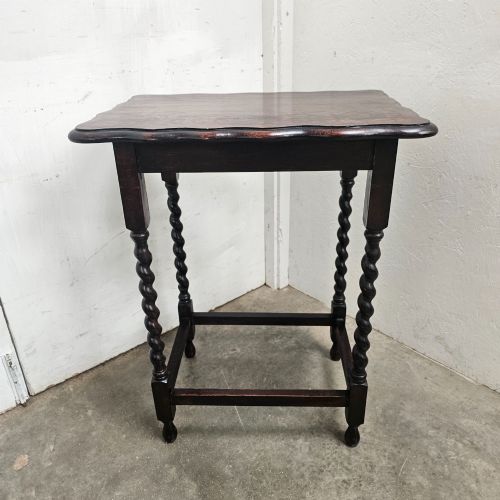
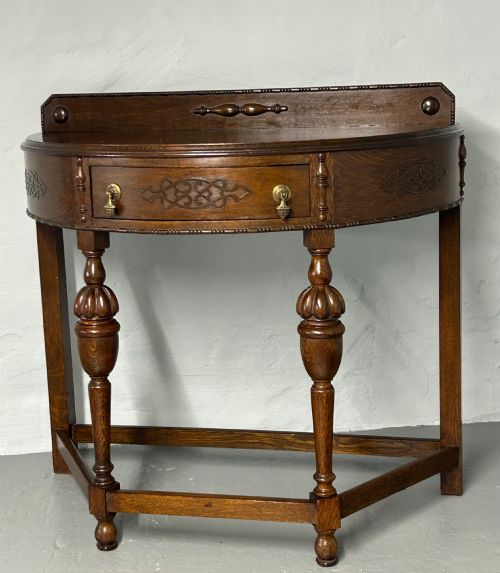
Makers and workshops of the era drew heavily on earlier aesthetics, resulting in Jacobean Revival and Arts and Crafts influences. You will frequently find characteristic turned legs, carved friezes, and drop leaf mechanisms designed to save space.
What varies in quality
The distinction between standard utility furniture and superior examples lies in the depth and crispness of the carving, alongside the selection of timber figure. Plain, flat boards sit at the lower end, while pieces showing carefully chosen quarter-sawn oak rays command greater attention.
Mechanism precision also separates grades of production, particularly in extendable dining formats like draw leaf and gateleg tables. Smooth action in folding leaves and sturdy, wobble-free leg joints indicate superior workshop standards during assembly.
1920s Carved Oak Table Retail Price Guide 2026
Typical asking prices for 1920s carved oak table among the pieces listed under this phrase on Sellingantiques today, from the lower quarter to the upper quarter. They describe what is for sale here now, not the wider market.
Listings demonstrate a strong preference for oak, accompanied by occasional highlights of brass, iron, burr walnut, and glass across various side, dining, and console forms.
Beresford and Hicks London·Galle·Hennes France
The 1920s Carved Oak Table Glossary
- Draw leaf table
- A dining table with two sliding leaves concealed beneath the main top that pull out to extend the surface length. This clever mechanism allows the table to accommodate more guests without requiring separate storage for loose leaves.
- Gateleg table
- A drop-leaf table featuring hinged legs that swing outward to support the folding flaps when raised. When not in use, the leaves drop down and the legs fold inward to create a compact footprint.
- Barley twist
- A decorative turning style resembling a twisted rope or column, popular on table legs and supports during the revival periods. This technique adds vertical visual interest and texture to heavy timber furniture.
- Jacobean Revival
- A design style mimicking the heavy, ornamented furniture of the early seventeenth century, featuring straight lines, panelled details, and deep relief carving. It experienced a major resurgence in popularity during the early twentieth century.
- Demi-lune
- A half-moon shaped table designed to stand flat against a wall, frequently utilised as a console or side table in narrow hallways. These pieces maximise surface space in compact areas.
1920s Carved Oak Table: Frequently Asked Questions
What is a draw leaf oak table?
A draw leaf table is a practical dining design where two hidden leaves slide out from underneath the main top to increase the surface area.
This mechanism allows you to extend the table quickly for meals and retract it afterwards to save space in smaller rooms.
How do you identify a 1920s oak table?
These tables are identified by their solid oak construction, characteristic revival styling such as barley twist legs, and traditional drop-leaf or gateleg mechanisms.
Examining the underside, hardware, and timber finish helps confirm the early twentieth-century manufacture date.
Where were 1920s oak tables used?
They served as versatile items in interwar homes, functioning as hall consoles, bedside cabinets, coffee tables, and primary dining surfaces.
Their robust construction made them suitable for daily domestic tasks across dining rooms, parlours, and hallways.
How do I care for antique oak furniture?
Maintain antique oak by keeping it away from direct heat sources and sudden humidity changes that can cause the timber to split or warp.
Apply a traditional beeswax polish periodically to nourish the wood and preserve the natural lustre of the grain.