

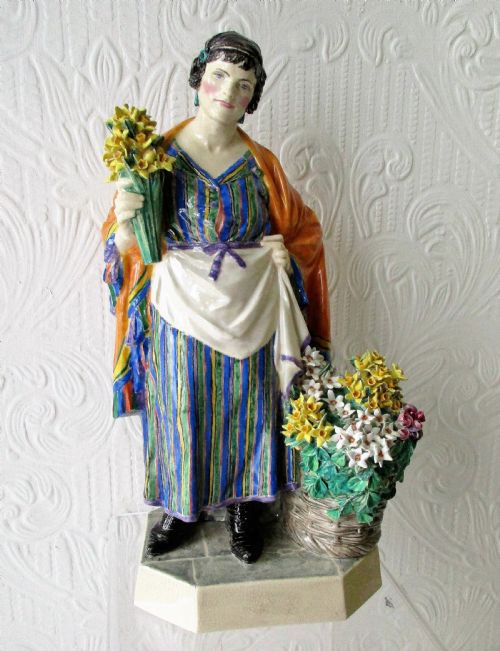


1920s Art Deco Pottery
When you handle 1920s art deco pottery, you hold pieces defined by bold enamels and stylized earthenware forms that transform a room.
1920s Art Deco Pottery
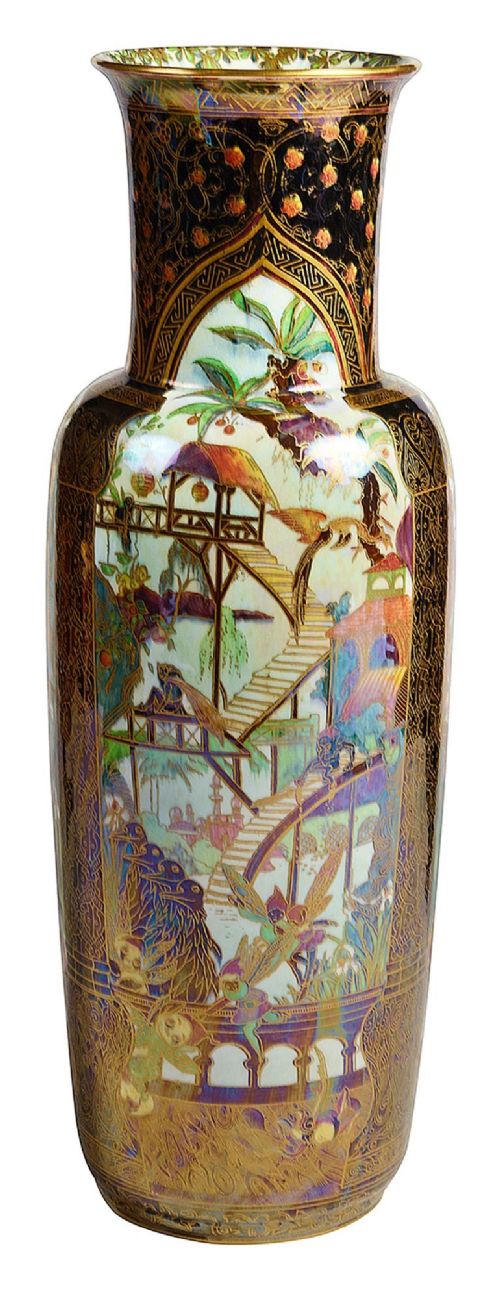
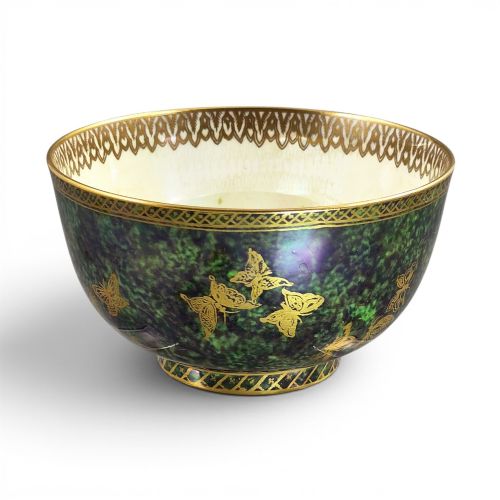
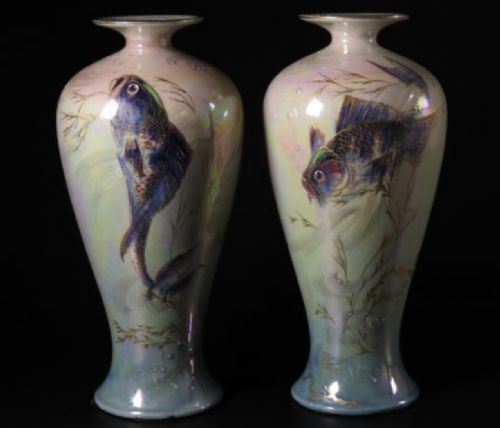
Collectors seeking 1920s art deco pottery encounter a striking range of vessels and figures spanning the Edwardian period through to the 1930s. These pieces include elaborate lustre vases, decorative bowls, and sculptural figures that capture the distinctive design spirit of the era.
Vessels on this page take many forms, from large octagonal bowls and covered vases to table lamps and delicate powder boxes. The selection reflects both British and continental workshops producing vibrant ceramics for contemporary interiors.
How they were made
Makers shaped earthenware, porcelain, bone china, and terracotta into distinct vessels and figures before applying complex ceramic glazes. Many works incorporate rich gold leaf and meticulous hand enamelling to achieve their lustrous finishes.
The firing and glazing techniques required immense precision, particularly for iridescent lustre wares and detailed painted subjects. Artisans combined traditional moulding with skilled surface decoration to realise the geometric and figurative motifs of the period.
1920s Art Deco Pottery Retail Price Guide 2026
Typical asking prices for 1920s art deco pottery among the pieces listed under this phrase on Sellingantiques today, from the lower quarter to the upper quarter. They describe what is for sale here now, not the wider market.
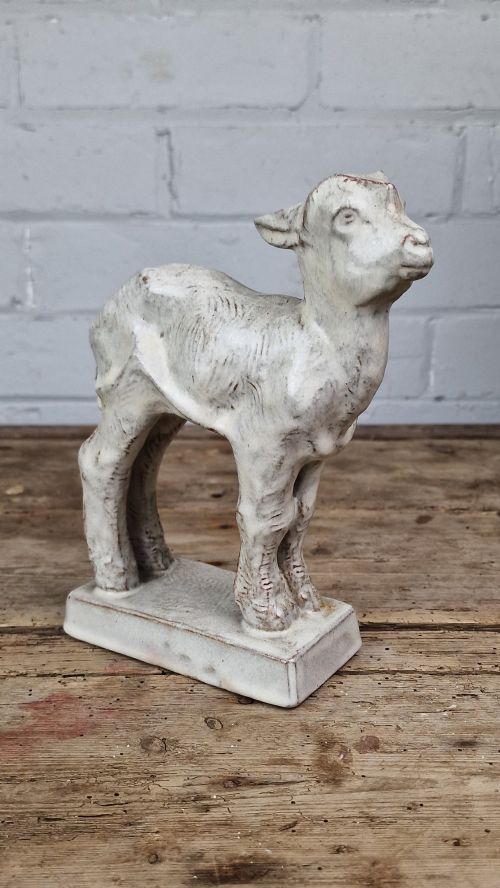
A terracotta kid goat stands ready to butt any visitor who questions its art deco credentials.
What varies in quality
The distinction between standard production and exceptional work rests on the complexity of the glaze effects and the crispness of the hand-painted enamels. Pieces featuring intricate lustre work or detailed figural modelling demand a higher level of artistic execution.
Attribution to notable designers and recognised potteries elevates the standing of an item, reflecting superior mastery over the kiln and the brush. The depth of the colour palette and the preservation of delicate surface details also divide ordinary items from masterworks.
Daisy Makeig Jones·Walter Slater·Charles Vyse·Robert T Lallement·Richard Joyce
The 1920s Art Deco Pottery Glossary
- Lustre
- A type of ceramic glaze containing metallic oxides that produce an iridescent, shimmering surface upon firing. It requires careful reduction firing to achieve its characteristic rainbow sheen.
- Earthenware
- A porous pottery body fired at lower temperatures, commonly used for decorative vases and figurines. It is typically glazed to ensure it holds liquid.
- Bone china
- A hard-paste porcelain incorporating animal bone ash, noted for its high strength and milky translucency. It permits thinner walls and refined vessel profiles.
- Enamel
- Vitreous colour applied over a fired glaze or ceramic body and subjected to a further low-temperature firing. It provides rich, opaque decoration on fine pottery.
- Chinoiserie
- A decorative style reflecting European interpretations of Chinese and East Asian artistic traditions. It frequently appears on lustre bowls and vases through stylized dragons and exotic motifs.
1920s Art Deco Pottery: Frequently Asked Questions
How do I identify 1920s art deco pottery?
Look for characteristic geometric patterns, vibrant enamel colours, and stylized motifs typical of the period. Maker marks, painted signatures, and glaze styles on the base often confirm the exact origin.
Examine the form and weight of the piece, as earthenware and porcelain bodies varied significantly between British and continental workshops during this decade.
Where were these ceramic pieces made?
These ceramics originate from prominent British potteries as well as continental studios in France and Germany. Major production centres included Staffordshire factories alongside specialist studio workshops.
Each region brought distinct regional techniques to the materials, resulting in diverse styles ranging from lustre bowls to terracotta figures.
How should I display lustre pottery?
Place lustre pieces in well-lit areas where natural light can catch the iridescent metallic glazes. Avoid direct, intense sunlight that might fade delicate enamel work over extended periods.
Ensure stable surfaces away from high-traffic edges, particularly for tall vases, powder boxes, and delicate ceramic figurines.
Can I use these vintage vases for flowers?
Most antique earthenware and porcelain vessels function adequately with water, though porous bodies require gentle handling. Inspect the interior glaze for any hairline cracks before filling the vessel.
For valuable lustre or enamelled pieces, many collectors prefer using them purely as decorative display objects rather than functional flower holders.