

1903 Edwardian Silver
These pieces of 1903 edwardian silver capture a distinct era of domestic display and personal refinement through marked tableware and desk items.
1903 Edwardian Silver
When searching for 1903 edwardian silver, buyers encounter items produced during the Edwardian period, 1900, and 1910, reflecting the stylistic shifts of the early twentieth century. The selections span functional objects for the table, desk accessories, and personal effects.
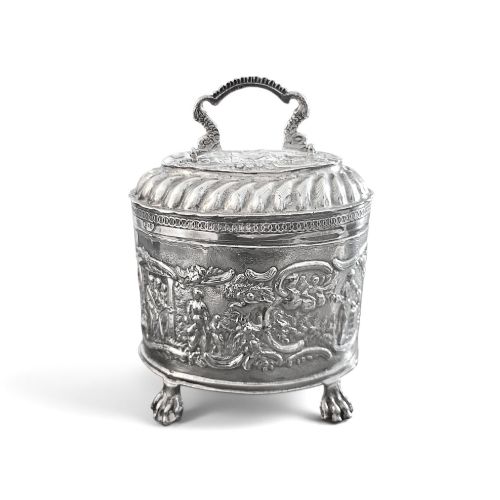
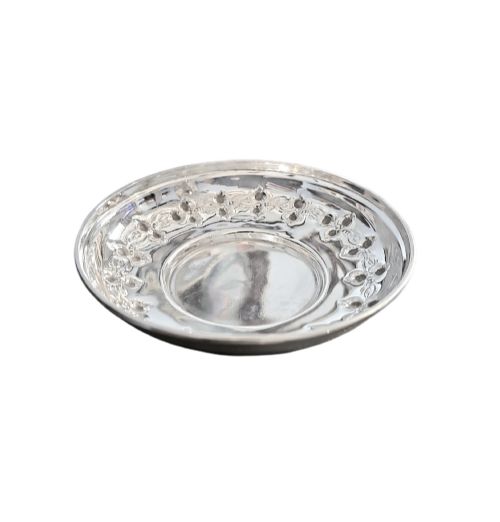
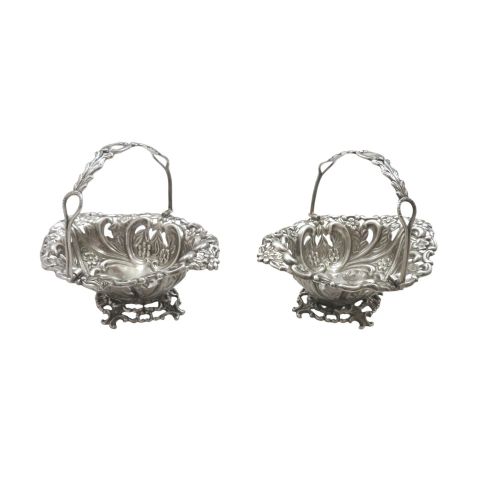
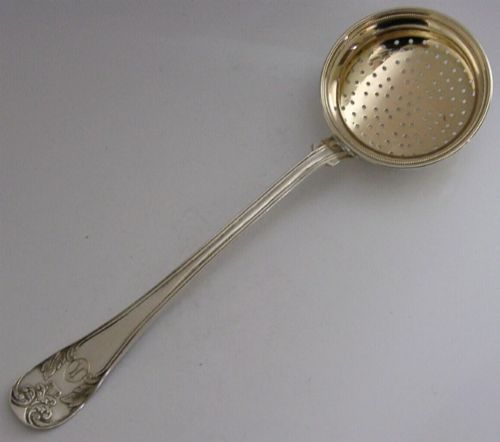
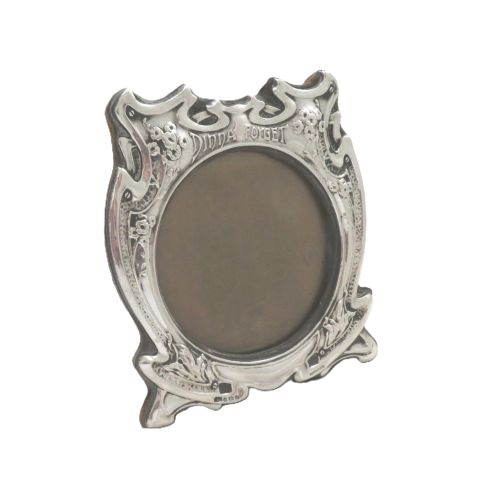
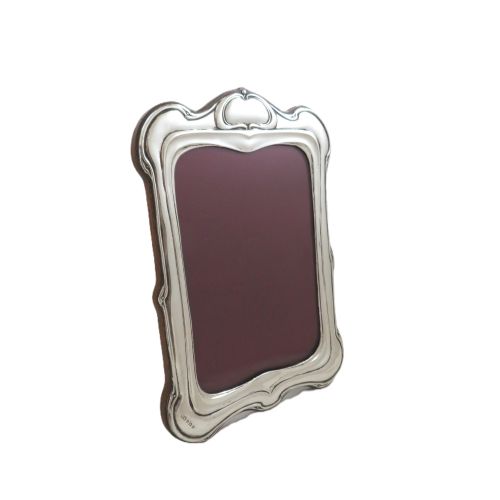
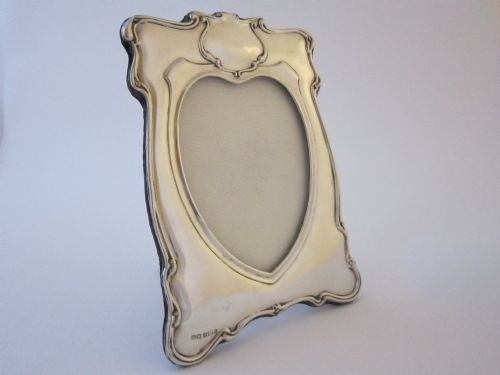
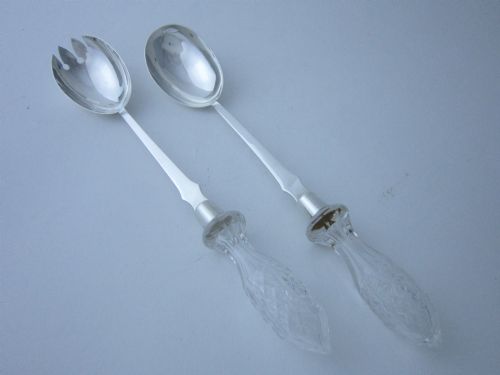
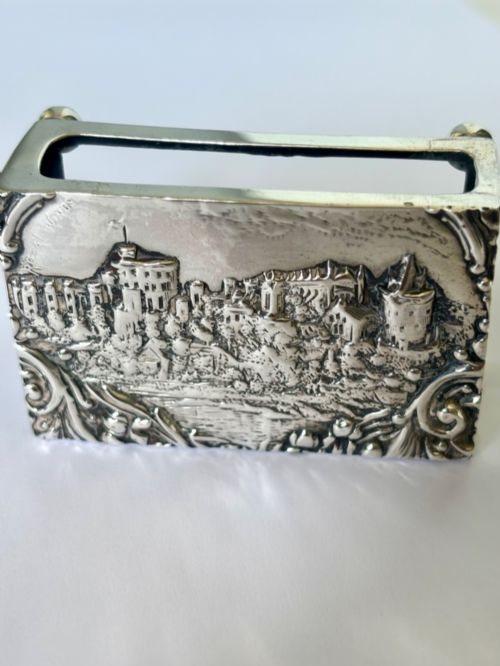
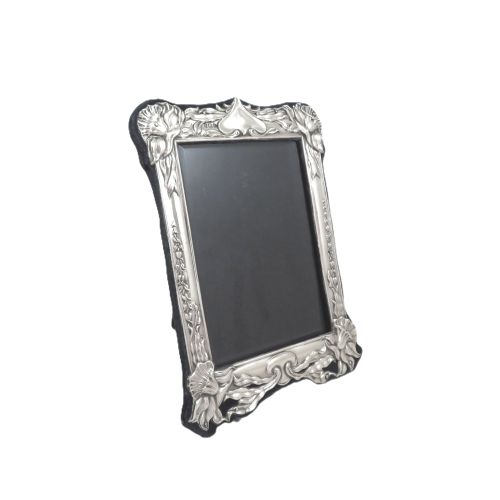
The most common forms appearing in this selection include photo frames, trinket dishes, vesta cases, and condiment servers. These domestic silver pieces showcase the heavy reliance on matched silver mounts, cut glass bodies, and wood inserts typical of the era.
Geographic origins centre around British assay offices including Birmingham, Sheffield, London, and Chester, alongside continental European solid silver pieces. Stylistic influences cross between standard Edwardian neoclassical designs and flowing Art Nouveau motifs.
Materials and Technique
The objects combine sterling silver and 833 solid silver with supplementary materials such as cut glass, cut crystal, wood, velvet, and mother of pearl. Silversmiths utilised traditional techniques of casting, piercing, and repoussé to shape the metal components.
Glass bodies on decanters, scent bottles, and jars were heavily cut and mounted with hallmarked silver collars and lids. Wooden components provide structural reinforcement for larger items like inkstands and jewellery boxes, lined internally with velvet.
The selection includes sterling silver, 833 solid silver, cut glass, wood, and velvet across items made in 1900, 1910, and Edwardian styles.
Markers of Quality
Quality rests upon the crispness of the hallmarks, the depth of the metal gauge, and the complexity of the chasing or repoussé work. Heavier silver items exhibit superior structural integrity compared to thinner pressed metal equivalents.
The refinement of secondary materials dictates overall execution, seen in the clarity of cut glass bottles and the precision of silver mounts fitted to wood or leather cores. Maker marks from established firms indicate higher standards of workshop production.
Thomas Bradbury & Sons·Sampson Mordan·Robert Chandler·Adie & Lovekin·William Devenport·Levi & Salaman·Henry Matthews
The 1903 Edwardian Silver Glossary
- Hallmark
- Official stamps applied to precious metals indicating the standard of purity, the assay office, and the date letter for the year of testing.
- Repoussé
- A metalworking technique where the silver is hammered from the reverse side to form a raised design in relief.
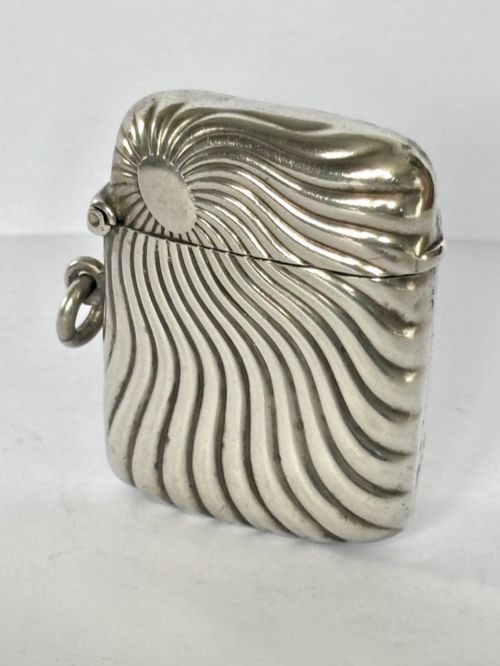
- Vesta case
- A small pocket box fitted with a hinged lid and a striking serration on the base, used for holding matches.
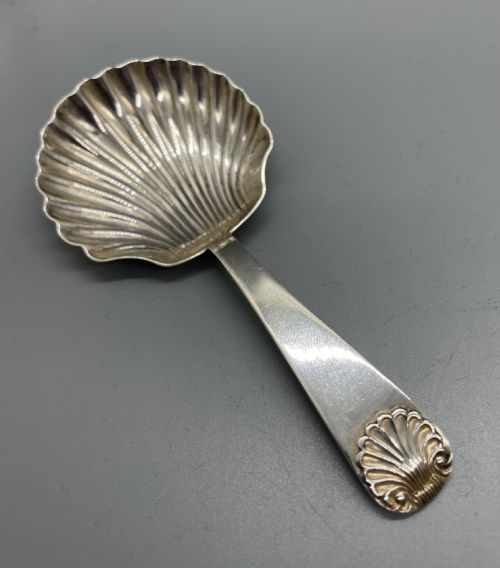
- Caddy spoon
- A short-handled spoon designed specifically for measuring loose tea leaves from a storage caddy.
- Tantalus
- A locking wooden frame holding decanters that prevents access to the contents without a key.
1903 Edwardian Silver: Frequently Asked Questions
What defines 1903 edwardian silver?
This category encompasses silverware hallmarked in the year 1903, sitting squarely within the Edwardian period spanning from 1901 to 1910.
Pieces reflect the aesthetic tastes of the early twentieth century, incorporating both traditional neoclassical revivals and flowing Art Nouveau motifs.
How were these items used originally?
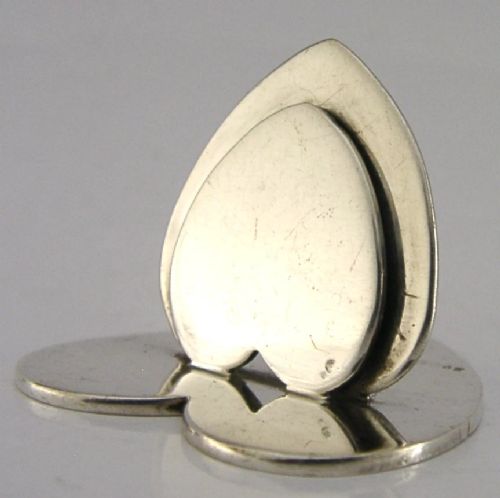
The objects served functional and decorative purposes in affluent Edwardian homes, from dining table accessories like menu holders and salad servers to personal items such as vesta cases and travel kits.
Writing desks, dressing tables, and drawing rooms were the primary settings for inkstands, photo frames, and trinket boxes.
How do I care for silver and glass items?
Silver components require gentle cleaning with specialised cloths to maintain the metal surface without wearing down raised chased details or hallmarks.
Glass and crystal bodies can be washed separately in warm soapy water, ensuring silver mounts remain dry to protect internal wooden or velvet linings.
How can I identify the maker and date?
British pieces carry a punch of struck hallmarks that include a standard mark for silver purity, an assay office symbol, and a specific date letter.
Associated maker marks provide initials or full names that link the item to specific silversmiths and manufacturing firms operating during that era.