

18th Century Wooden Furniture
These pieces of 18th century wooden furniture bring domestic history into a modern room through honest carpentry and deep, aged timber.
18th Century Wooden Furniture
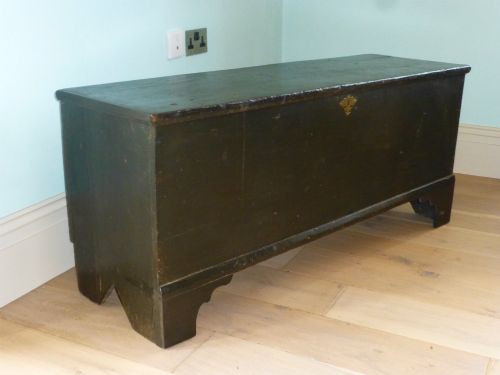
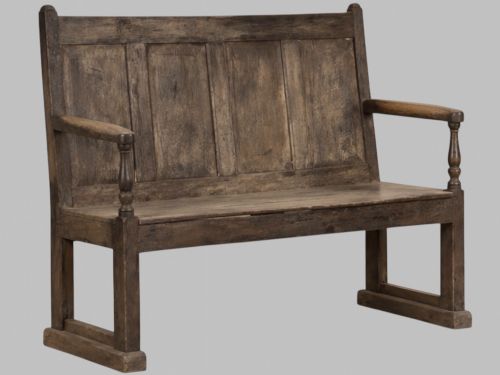
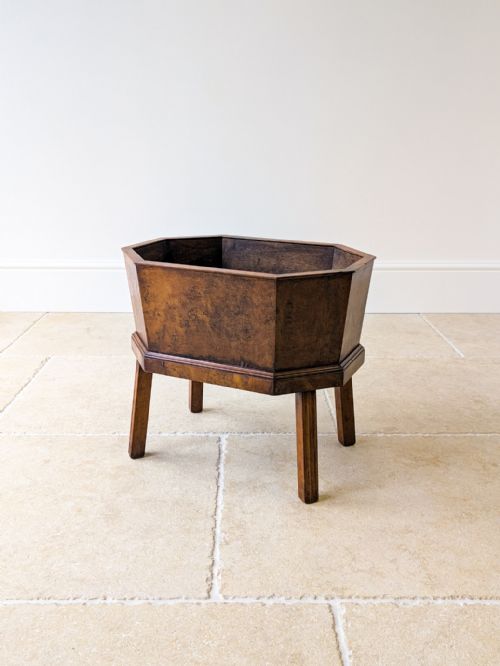
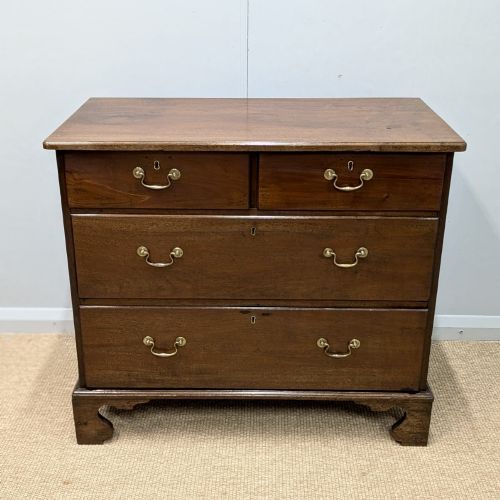
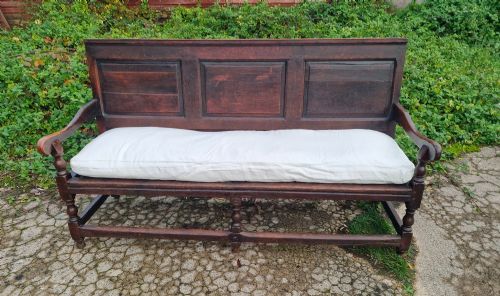
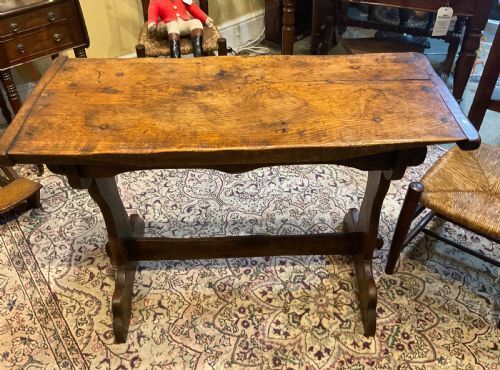
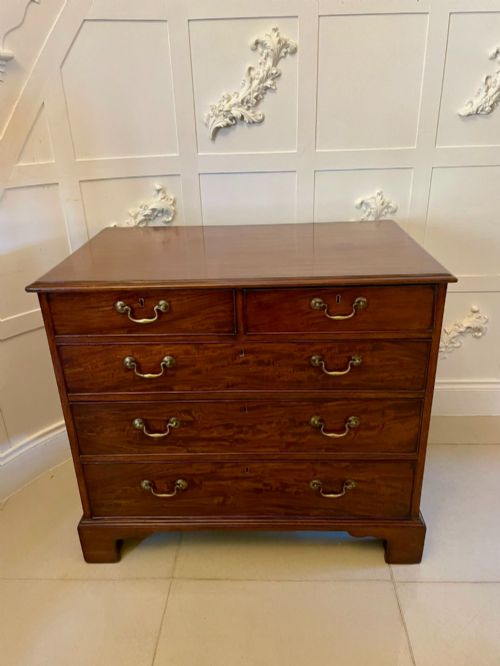
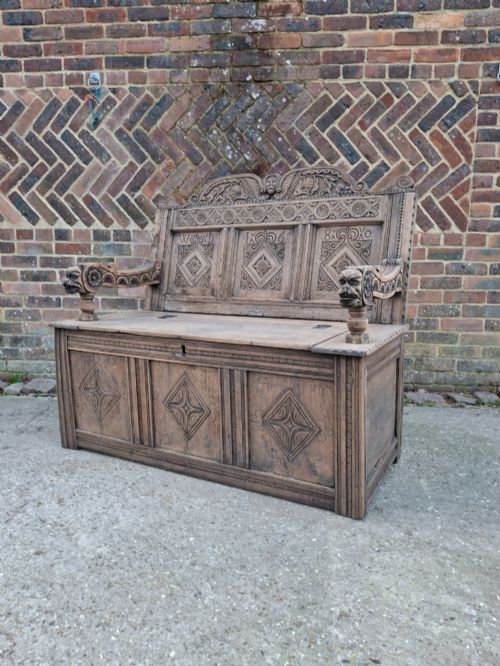
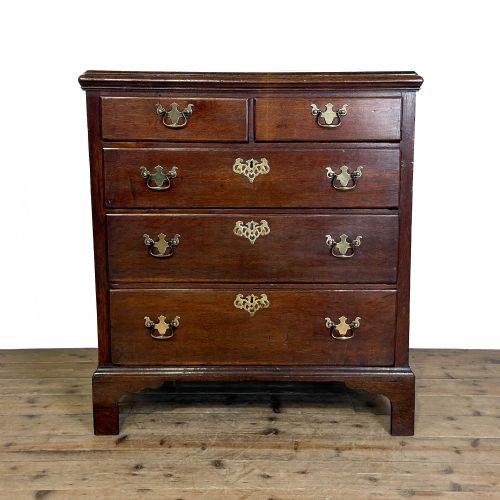
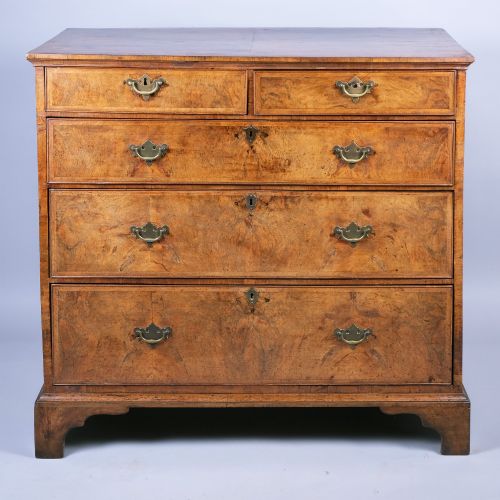
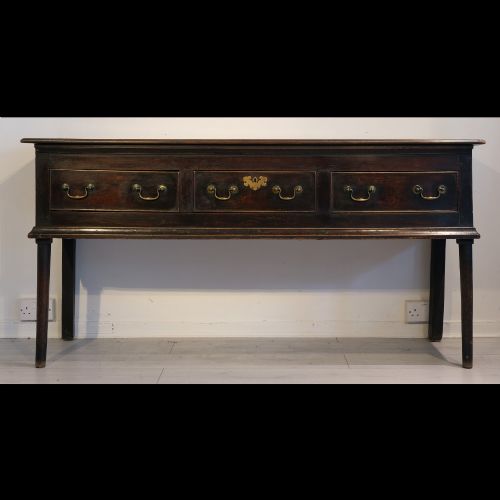
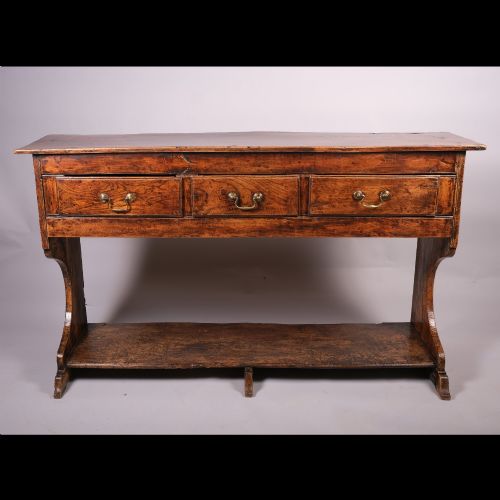
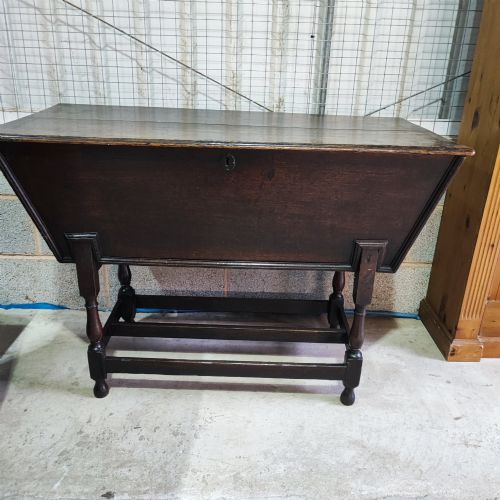
When you search for 18th century wooden furniture, you encounter domestic items built primarily during the Georgian periods and spanning from country cottages to formal rooms. The selection on this page centres heavily on storage and utility forms, most notably chests of drawers, coffers, side tables, and settles. Alongside these storage staples appear dressing tables, lowboys, joint stools, and hall chairs, reflecting the varied domestic needs of the period. The pieces range from robust oak and elm country items to finely finished mahogany and walnut urban forms.
Country examples tend to favour regional timbers like elm and ash, seen in cricket tables, settles, and joint stools with simple, sturdy lines. Formal pieces lean towards mahogany and walnut, showcasing sophisticated storage solutions such as chests on chests, bachelors chests, and bureau cabinets. Regional variations also emerge clearly, from English walnut and oak pieces to Irish chairs and Italian chests. Buyers meeting these items today choose between the rustic charm of boarded seats and joint frames or the refined polish of figured mahogany drawer fronts.
Materials and construction methods
Makers relied on a distinct palette of primary timbers, selecting oak and elm for early vernacular work, and transitioning to mahogany and walnut as international trade and tastes evolved. Brass hardware, including drop handles and escutcheons, functional locks, and occasionally wrought ironwork complete the structural composition of these items. Carpenters joined planks and frames using traditional methods appropriate to the timber and the expected stress on the piece. Joint stools and settles utilise sturdy peg and mortise construction, while sophisticated chests of drawers and tea tables rely on tight dovetailing for drawer boxes and frame joints.
18th Century Wooden Furniture Retail Price Guide 2026
Typical asking prices for 18th century wooden furniture among the pieces listed under this phrase on Sellingantiques today, from the lower quarter to the upper quarter. They describe what is for sale here now, not the wider market.
Distinctions in quality and execution
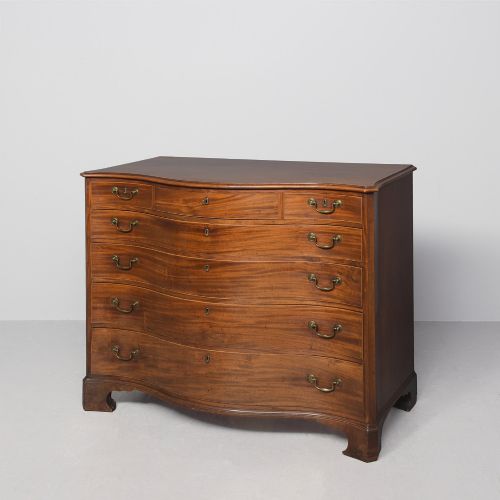
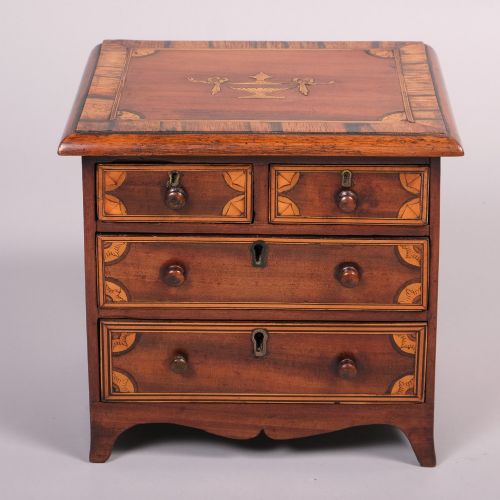
The degree of refinement in the timber selection and surface finish separates standard items from exceptional examples. Cabinetmakers working with mahogany or walnut chose highly figured veneers and solid stock, creating rich grain patterns that catch the light across a sideboard or bureau. Proportion and restraint in decorative carving also define the upper tier of these works, where details like serpentine drawer fronts or inlaid parquetry demonstrate high technical competence. In contrast, simpler country pieces derive their merit from honest proportions, thick board seats, and untouched surfaces that retain their historical character.
HEPPLEWHITE
The 18th Century Wooden Furniture Glossary
- Joint stool
- A sturdy wooden stool constructed with mortise and tenon joints rather than turned legs glued into bored holes. These items served multiple household purposes in the 17th and 18th centuries.
- Lowboy
- A small side table or dressing table featuring one or more rows of drawers beneath the top surface. They typically stood in bedrooms or parlours during the Georgian period.
- Cofer
- A large wooden chest used for storing valuables, linens, or general household goods. Many examples feature hinged lids and raised stands to keep contents clear of damp floors.
- Cricket table
- A small, lightweight occasional table typically supported by three splayed legs. The design provided stability on uneven stone or flagged floors in country houses.
- Bachelors chest
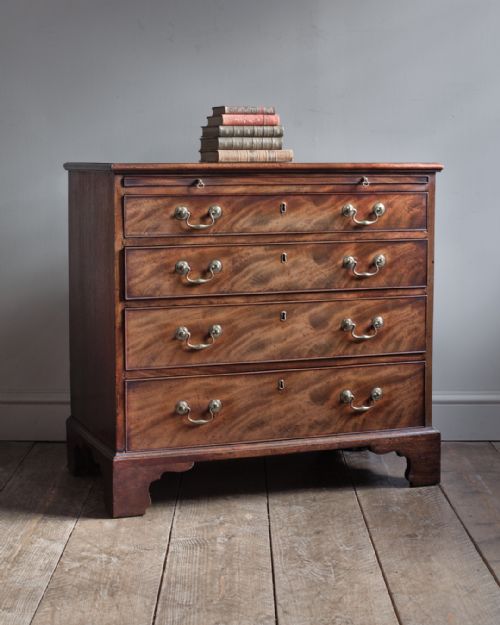
- A compact chest of drawers equipped with a pull-out brushing slide above the primary drawers. Wealthy gentlemen utilised the slide for writing or grooming correspondence.
18th Century Wooden Furniture: Frequently Asked Questions
What is a bachelors chest?
A bachelors chest is a compact form of drawer storage featuring a pull-out wooden shelf or slide directly beneath the top surface. This sliding board allowed owners to write letters or sort garments in smaller chambers.
These pieces emerged in mahogany and walnut during the 18th century, combining the utility of a larger chest with a minimal footprint suitable for townhouses.
How do I identify oak versus mahogany?
Oak displays a prominent, open grain with characteristic medullary rays that create distinct flecks across the surface. It was favoured for early vernacular and country furniture due to its local availability and strength.
Mahogany exhibits a tighter, reddish-brown grain that often shows rich figuring when polished. It became the dominant timber for formal urban furniture from the mid-18th century onward.
Where were settle benches used?
Settle benches stood in the communal rooms of farmhouses and public taverns to provide seating protected from draughts. Their high wooden backs and solid side panels deflected cold air from open doors.
Many examples feature hinged seats that lift to reveal concealed storage space for blankets or tavern provisions.
What distinguishes a lowboy from a side table?
A lowboy is fundamentally a small side table equipped with one or multiple rows of small drawers integrated into the apron. They functioned primarily as dressing tables or writing surfaces in bedrooms.
Standard side tables often lack drawers entirely or serve purely decorative roles in hallways and dining rooms.