

18th Century Wood Box
An 18th century wood box brings tangible domestic history to a room, offering both utilitarian storage and enduring cabinet-making skill.
18th Century Wood Box
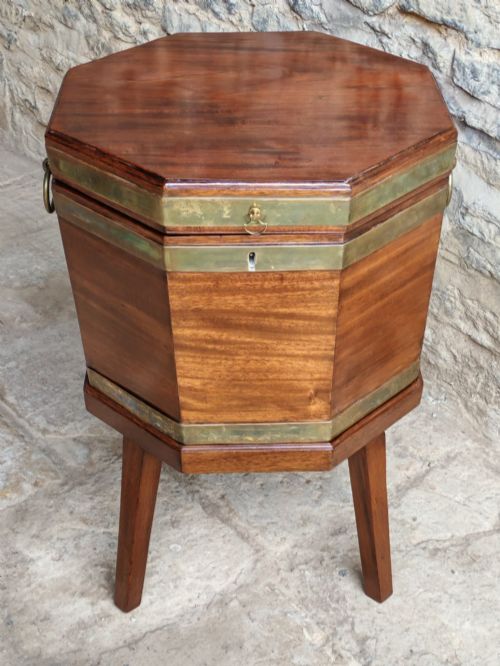
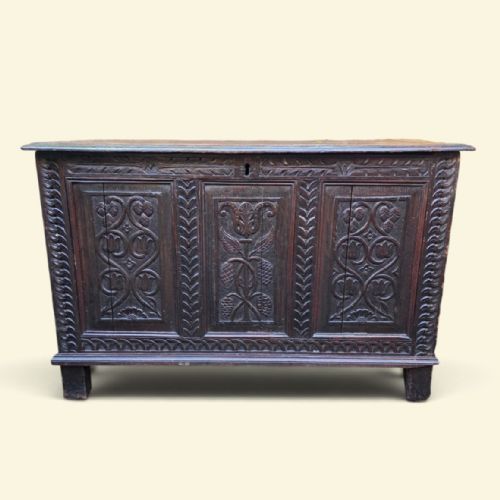
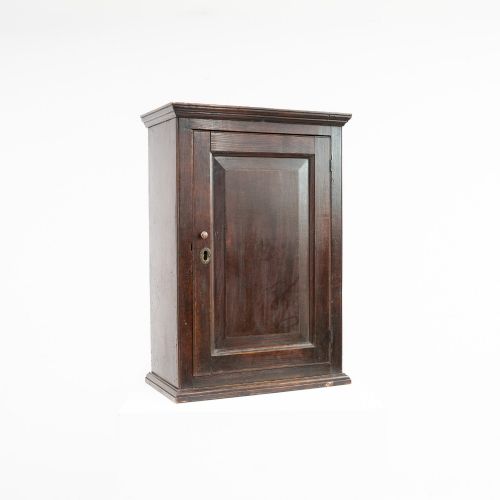
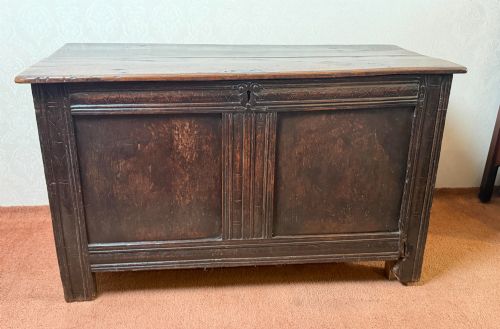
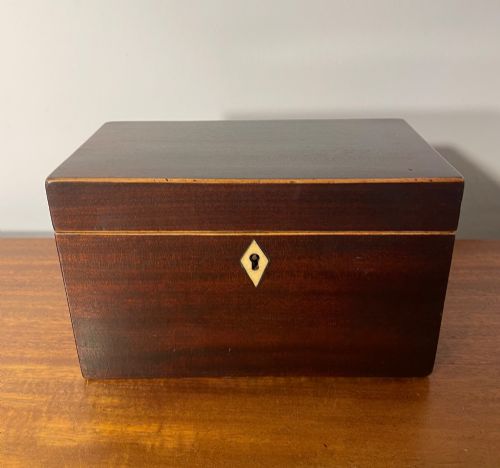
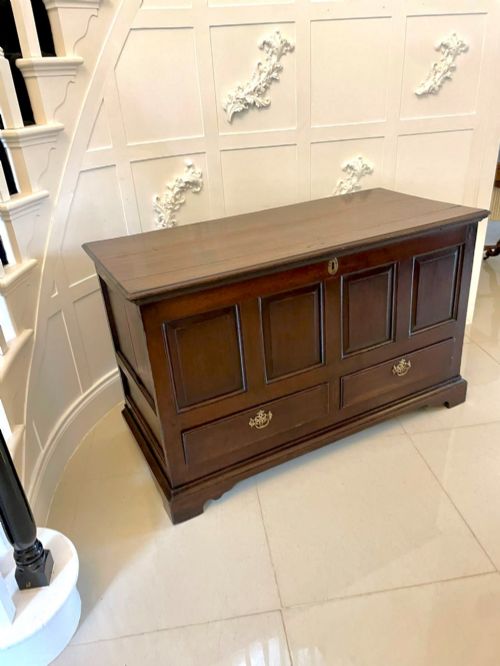
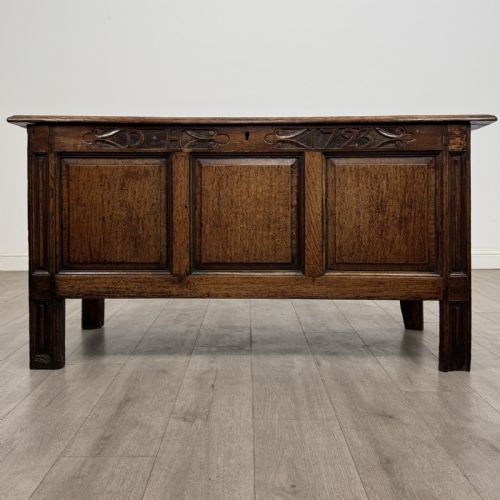
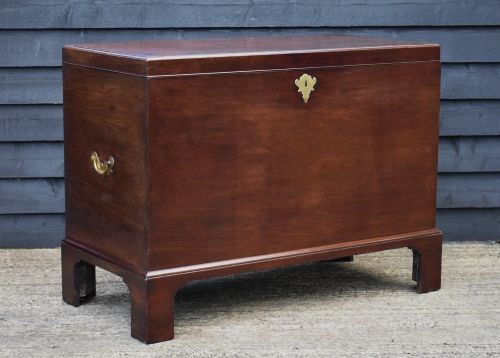
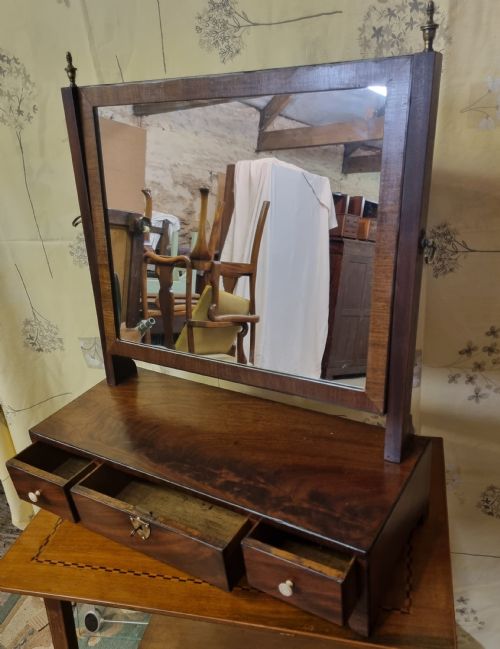
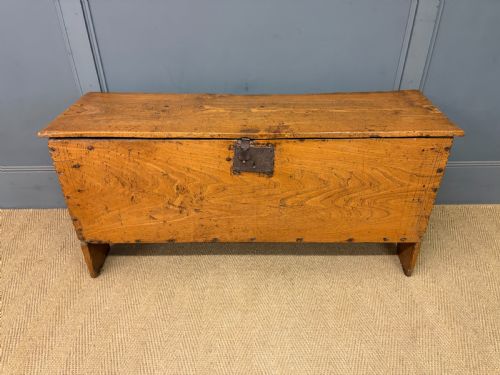
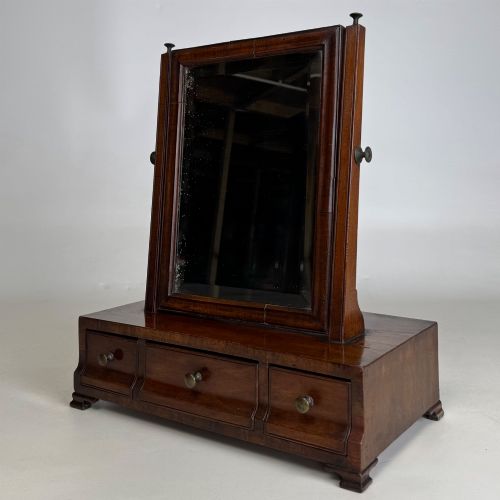
An 18th century wood box encompasses a diverse group of functional receptacles designed for storage, travel, and personal use during the Georgian and late 17th-century eras. The examples met most frequently on this page include sturdy oak coffers, mahogany tea caddies, and dressing mirrors created to serve the daily domestic needs of past households.
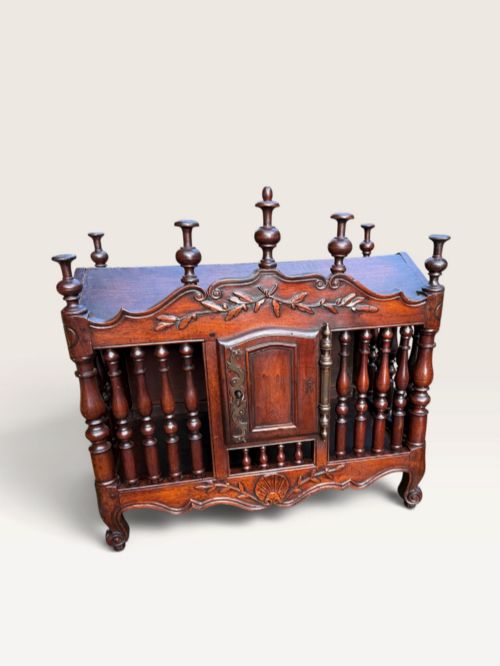
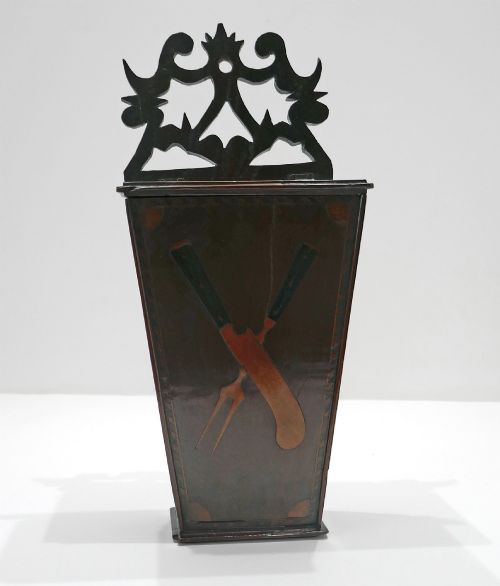
Beyond standard storage chests, the selection spans specialised forms such as cutlery boxes, spice containers, salt boxes, and travelling chests. These objects reflect the specific domestic and culinary habits of their period, utilising regional timbers suited to each purpose.
How they were made
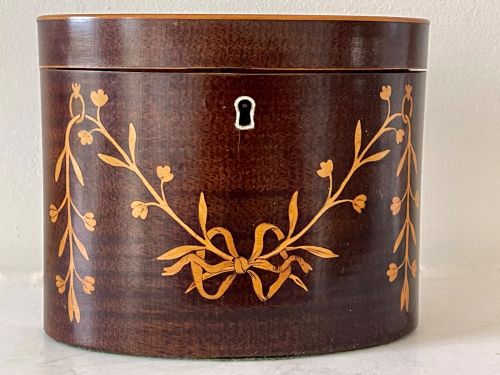
Cabinet-makers utilised solid native timbers such as oak, elm, walnut, and mahogany, frequently applying decorative veneers like burr walnut, flame mahogany, and boxwood or ebony stringing. Construction relied on traditional joinery methods, including dovetailing for smaller caddies and boxes, and pegged mortise and tenon joints for larger coffers and chests.
Hardware played a structural and decorative role, with brass drop handles, corner mounts, and key escutcheons secured to the wood by hand. Surface finishes were achieved through natural polishing and wax applications, preserving the grain and colour of the primary timber over centuries.
18th Century Wood Box Retail Price Guide 2026
Typical asking prices for 18th century wood box among the pieces listed under this phrase on Sellingantiques today, from the lower quarter to the upper quarter. They describe what is for sale here now, not the wider market.
Listings feature woods including oak, mahogany, walnut, elm, padouk, teak, and camphor, spanning the 17th, 18th, and 19th centuries.
What varies in quality
The standard of an 18th century wood box depends largely on the choice of timber selection and the precision of the cabinet-maker's joinery. Superior examples display carefully matched grain patterns, intricate boxwood inlay, and intact original brass hardware that complement the proportions of the piece.
Execution of carved details, such as chip carving on vernacular pieces or fielded panels on larger coffers, distinguishes workshop tiers. Well-preserved internal fittings, such as original tea caddy canisters or mirror glass, elevate the integrity of the object.
The 18th Century Wood Box Glossary
- Coffer
- A large, heavy wooden chest traditionally used for storing valuables or household goods. These sturdy containers often feature panelled construction and hinged lids.
- Caddy
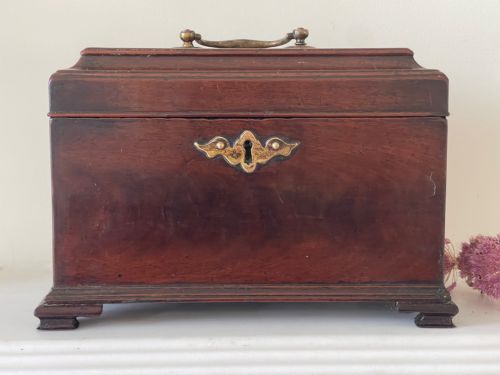
- A small box specifically designed to store tea leaves securely. Tea was an expensive commodity, prompting makers to equip these boxes with locks and internal compartments.
- Crossbanding
- A decorative border technique where strips of veneer are laid around the edges of a surface so the grain runs perpendicular to the main panel. This method frames the primary timber.
- Mule chest
- A storage chest fitted with one or more drawers at the base beneath the main compartment. This hybrid form bridges the traditional coffer and the modern chest of drawers.
- Treen
- Small handmade wooden domestic objects produced before the widespread use of plastics and ceramics. Examples include turned tobacco jars and small utilitarian containers.
18th Century Wood Box: Frequently Asked Questions
How were tea caddies used?
Tea caddies served to store expensive loose tea leaves safely under lock and key in the Georgian parlour. The mistress of the house kept the key to control access to the valuable commodity.
Internal compartments often separated different varieties of tea, occasionally featuring a central glass mixing bowl. Their secure construction reflected the high social status associated with tea drinking at the time.
What is a mule chest?
A mule chest combines the deep storage space of a traditional oak coffer with the accessible drawer storage of a modern chest. The addition of drawers at the base allowed users to retrieve smaller items without lifting the heavy top lid.
These pieces functioned primarily in bedrooms and domestic quarters for linens and clothing. They represent a transitional phase in furniture design during the 18th century.
How do I identify oak coffers?
Oak coffers are heavy storage chests constructed from solid English or European oak, often featuring pegged joinery and hand-carved panels. Early examples from the late 17th and early 18th centuries display simpler geometric or chip-carved motifs.
Over time, the wood develops a deep, warm patina through decades of handling and wax polishing. Inspecting the interior and base boards helps verify the age and construction methods of the period.
Where were dressing mirrors placed?
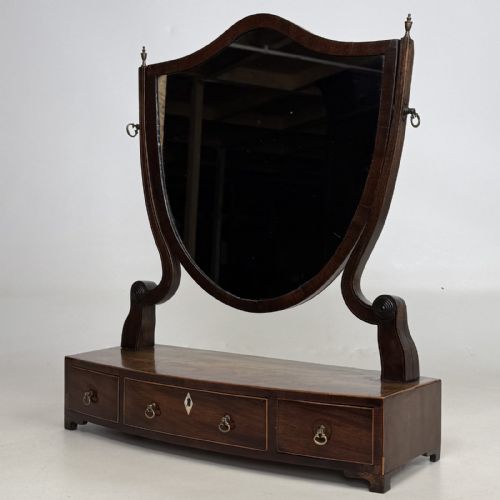
Dressing mirrors sat atop chests of drawers, dressing tables, or pier tables in 18th-century bedrooms and dressing rooms. They provided a portable reflective surface for grooming and styling wigs before the widespread use of full-length freestanding mirrors.
Many examples include small drawers built into the base stand for trinkets and cosmetics. The pivoting frames allowed users to adjust the angle of the glass.