


18th Century Urn
An 18th century urn brings classical proportion and refined material presence to an interior, whether fashioned in mahogany, copper or porcelain.
18th Century Urn
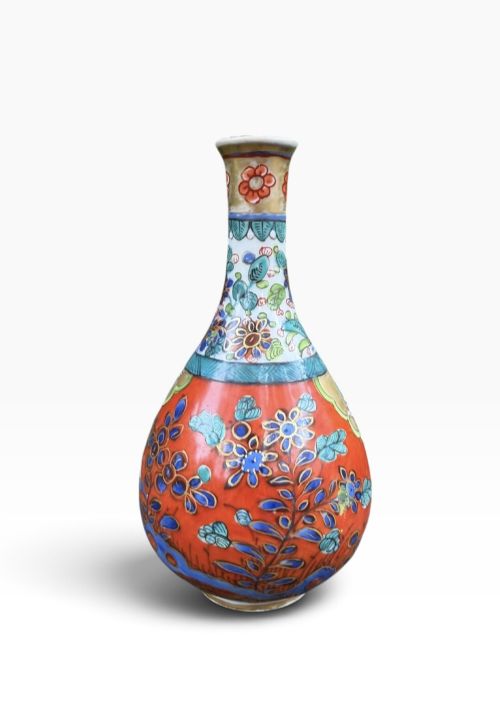
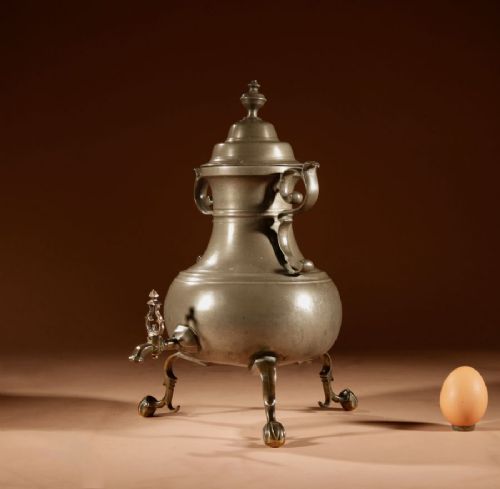
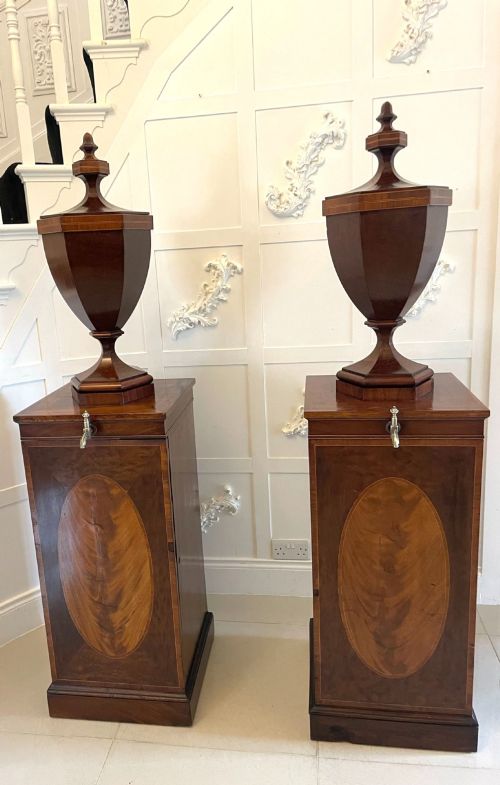
When searching for an 18th century urn, buyers encounter a variety of forms spanning decorative vessels, functional beverage dispensers and specialised stands. The selection includes George III mahogany wine urns and inlaid urn stands, alongside Dutch pewter and bronze samovars, copper vessels and porcelain vases.
The objects originate primarily from Georgian England and the broader European sphere, reflecting Neoclassical and Rococo design vocabularies. Alongside actual vessel forms, the listings incorporate related tea equipment and supporting furniture designed specifically to display such pieces.
Makers and workshops across England, the Netherlands, Italy and China contributed to this category, utilising regional materials from carved mahogany to tin-glazed earthenware. Buyers find both monumental display pieces and domestic service items rooted in period craftsmanship.
Materials and construction methods
Makers utilised timber such as mahogany and walnut for stands and wooden containers, often employing boxwood and ebony inlay to define geometric patterns. Metal versions combined copper, brass, bronze and pewter, shaped through casting, hammering and soldering.
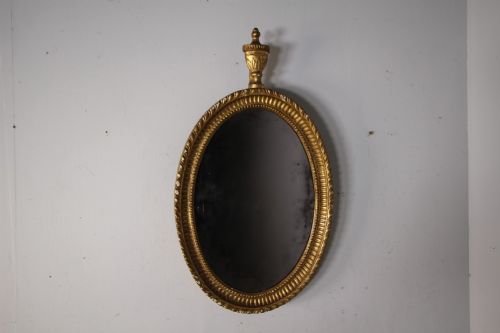
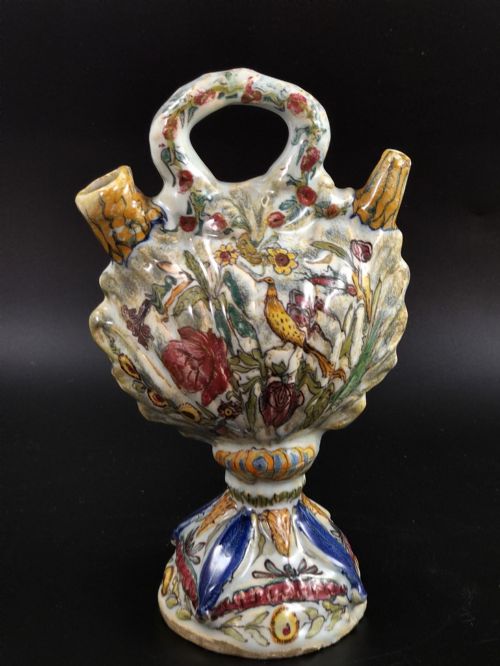
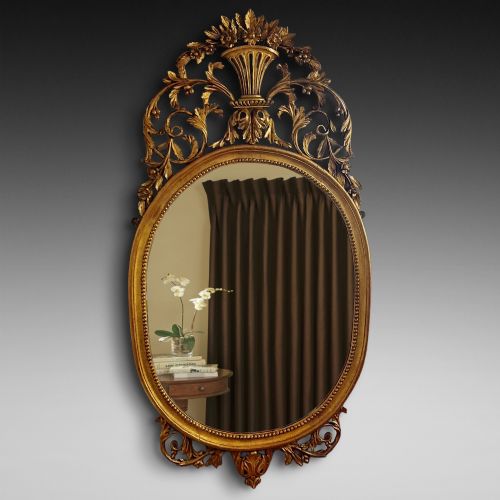
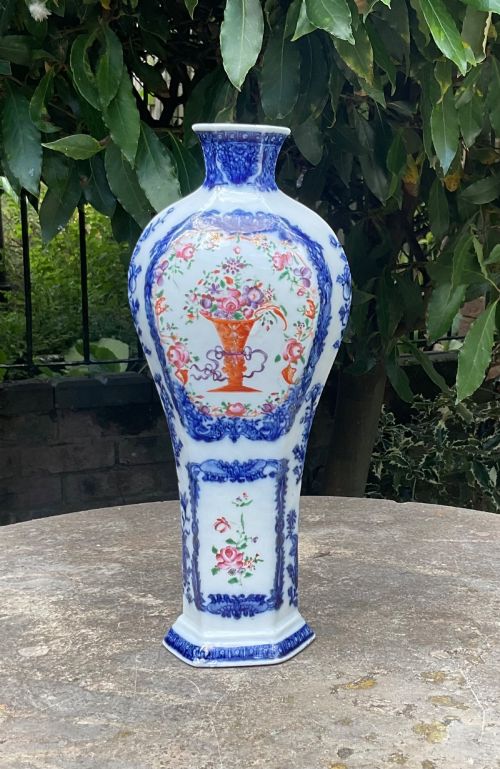
Ceramic examples demonstrate porcelain and earthenware production, including Delftware, majolica and faience, finished with hand-painted glazes, gold leaf and enamel decoration. Giltwood and gesso were applied to decorative accessories associated with the period.
18th Century Urn Retail Price Guide 2026
Typical asking prices for 18th century urn among the pieces listed under this phrase on Sellingantiques today, from the lower quarter to the upper quarter. They describe what is for sale here now, not the wider market.
A bronze vessel bearing a Latin inscription hints at forgotten maritime adventures.
Distinctions in craftsmanship
The standard of carving and inlay work dictates the distinction in wooden furniture and stands, where crisp execution of classical motifs separates standard workshop output from finer productions. Metal vessels show quality through the weight of the casting, the integrity of joined seams and the precision of surface chasing.
Ceramic pieces vary according to the clarity of the glaze, the complexity of the hand-painted palette and the preservation of original gilding and enamel details. Original mounts, taps and pedestals preserve the structural integrity and historical context of functional vessels.
James Giles·Chelsea Porcelain·Worcester Porcelain
The 18th Century Urn Glossary
- Samovar
- A heated metal container traditionally used to boil water for tea in Russian and European households. These often appear in brass, bronze or copper during the period.
- Urn stand
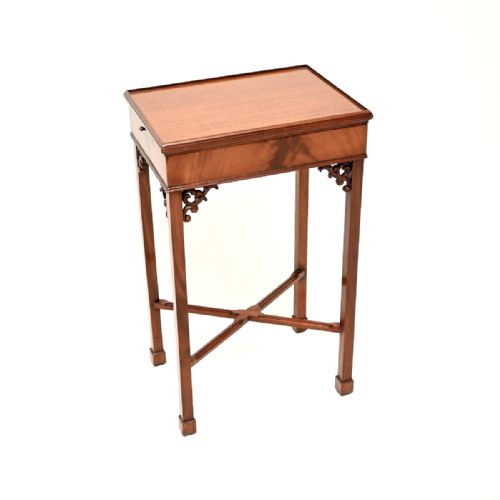
- A small occasional table or pedestal designed specifically to support a tea or wine urn. These frequently feature pull-out slides and delicate mahogany legs.
- Neoclassical
- A style of art and architecture inspired by the classical art and culture of ancient Greece and Rome. It dominates the decorative vocabulary of the later eighteenth century.
- Clobbered
- A term describing older Chinese porcelain that has been decorated in Europe with additional enamel colours and gilding, usually at a later date.
- Gesso
- A plaster-like material applied to wood surfaces as a base for painting or gilding. It allows for crisp, low-relief ornamentation on mirrors and wall brackets.
18th Century Urn: Frequently Asked Questions
What is an 18th century urn used for?
These vessels served various functions, from containing wine and cooling bottles to heating water for tea or simply acting as decorative ornaments. Many were designed as architectural centerpieces for formal dining rooms and halls.
Smaller examples functioned on side tables or specialised stands, integrating utility with the classical aesthetic favoured by Georgian designers.
How do I identify a Georgian urn stand?
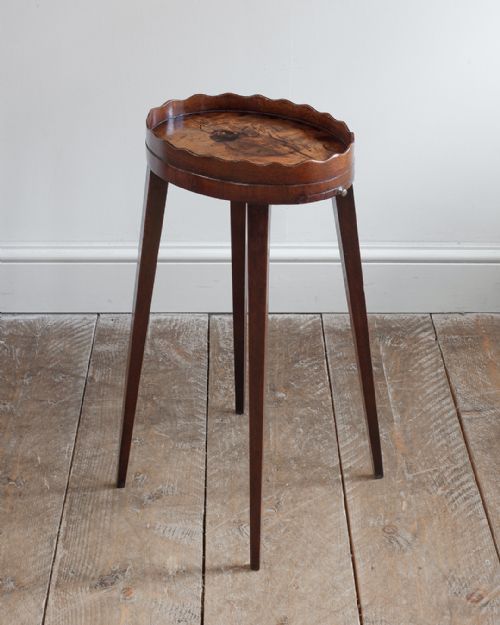
Georgian urn stands typically feature a small square, round or octagonal top framed by a raised edge or gallery to keep the vessel secure. They often include a small pull-out slide for glasses.
Supported by slender legs, frequently in mahogany with inlay, these stands date predominantly to the late eighteenth century.
What metals were used for coffee urns?
Period beverage urns were constructed primarily from copper, brass, bronze and pewter. Craftsmen hammered and cast these metals to create durable vessels capable of holding hot liquids.
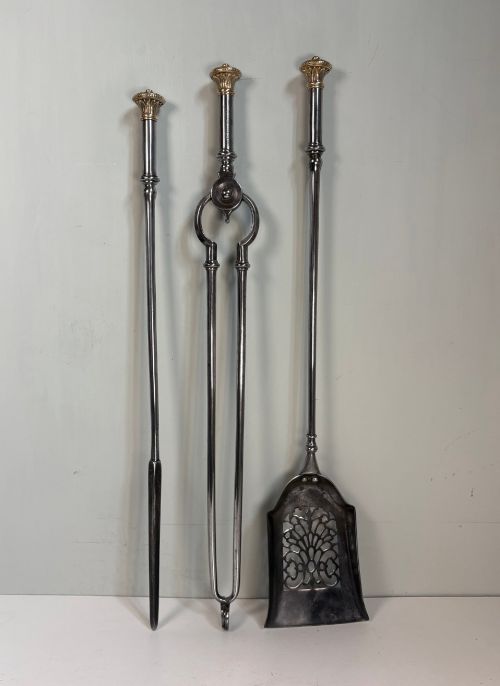
Many incorporate spigots or taps, sometimes paired with steel fire tools or mounted on stable wooden and metal bases.
How should I display an antique urn?
Display these pieces on sturdy period furniture such as side tables, pedestals or dedicated stands that match their scale and weight. Placement should account for natural light to highlight surface details like mahogany grain or hand-painted glazes.
Keeping them away from direct heat sources ensures the preservation of wood, metal finishes and delicate ceramic glazes.