

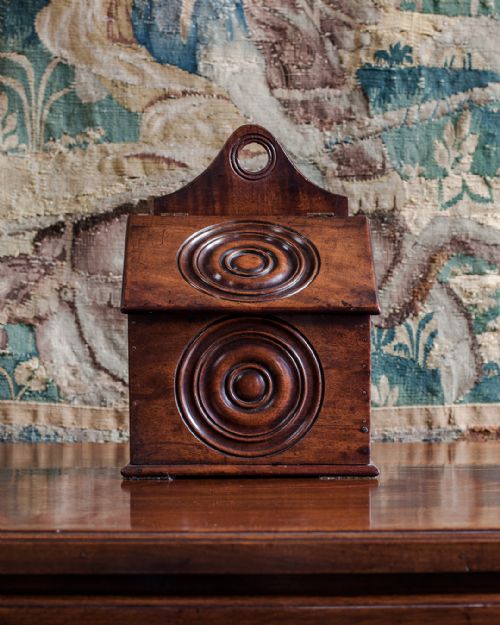


18th Century Timber Box
An 18th century timber box brings centuries of domestic storage history into a room with solid craftsmanship and enduring utility.
18th Century Timber Box
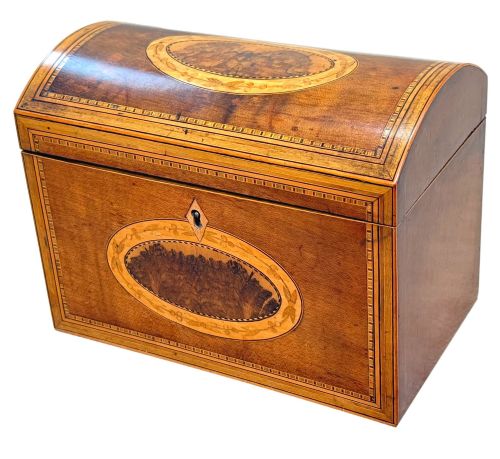
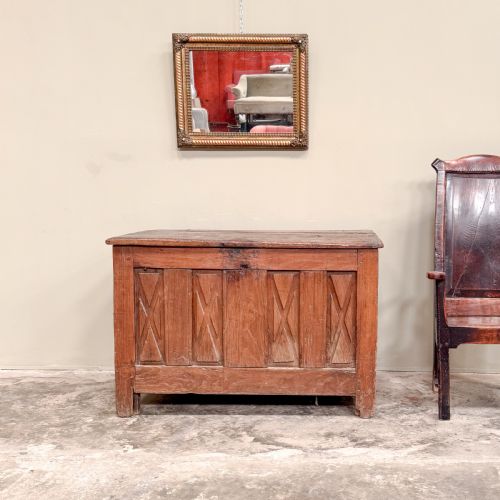
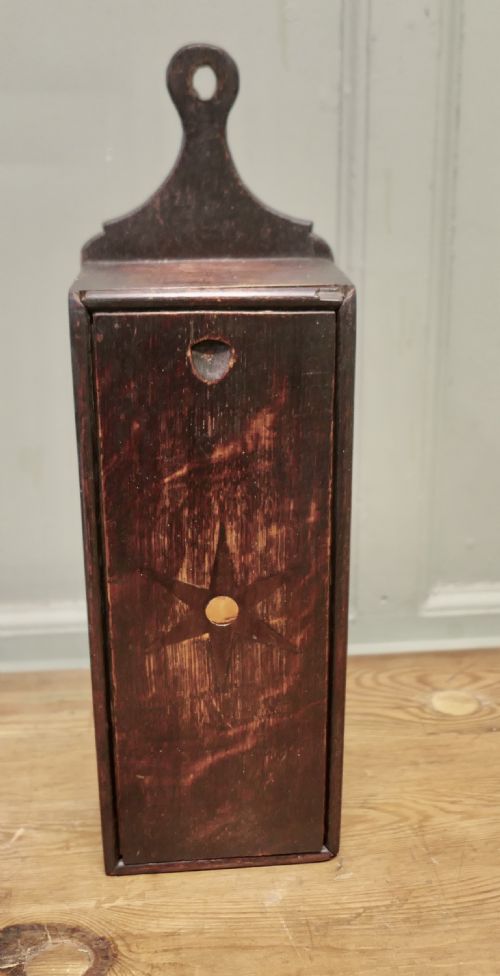
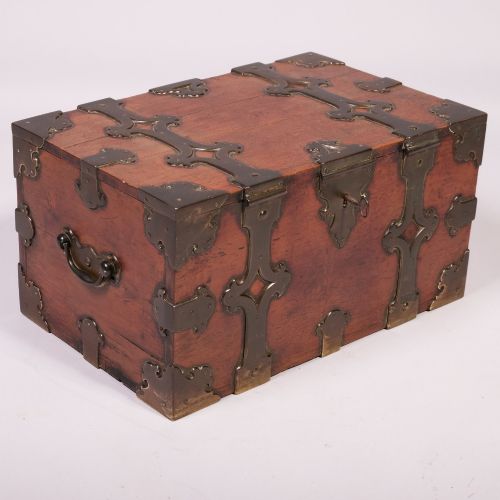
An 18th century timber box encompasses a wide variety of functional vessels, ranging from small desktop spice cupboards and tea caddies to larger coffers, chests, and wall-hanging candle boxes. These pieces reflect the daily storage needs of domestic life during the Georgian period and earlier centuries.
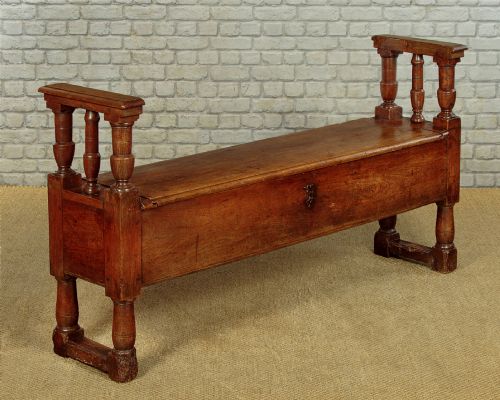
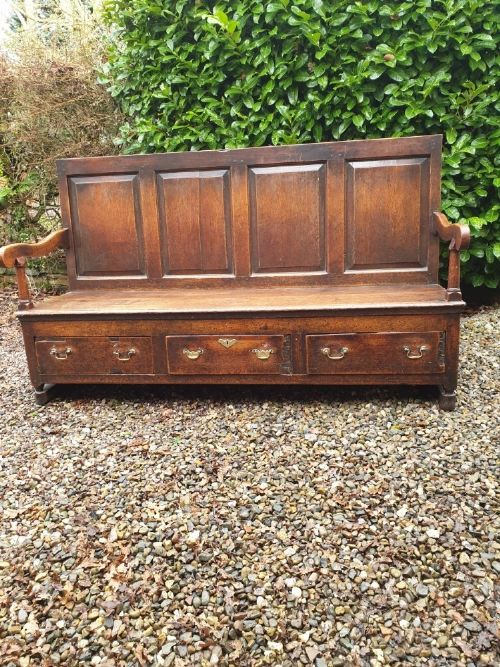
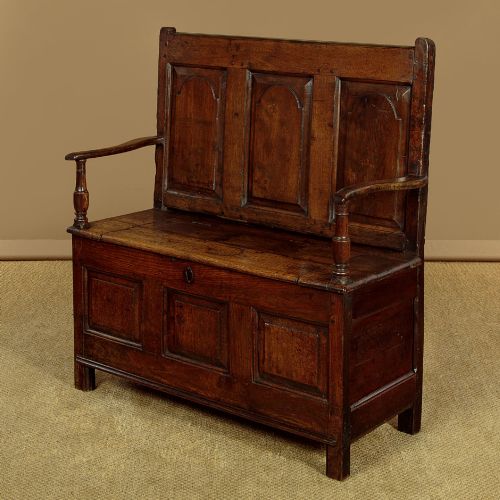
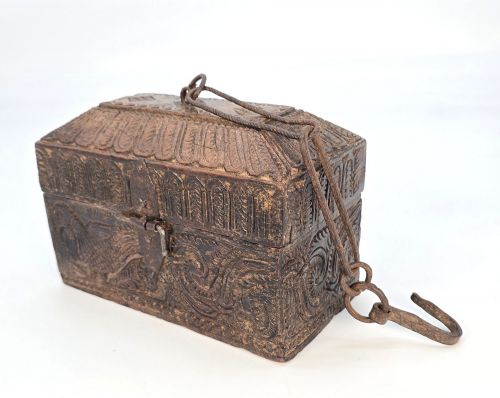
Buyers are most likely to encounter oak and mahogany examples on this page, alongside specific regional forms such as French provincial coffers, Indian spice boxes, and Chinese chests. The selection also includes seating furniture incorporating box compartments, such as oak box settles and benches.
The materials span native timbers like oak and elm alongside exotic woods including camphor, partridge wood, and satinwood. Each piece provides a tangible connection to period joinery and utilitarian design.
Distinctions in quality
Quality in these pieces rests upon the integrity of the timber selection, the crispness of any carving or inlay, and the retention of original hardware such as brass handles and locks. Finer examples display meticulous attention to dovetailing and flush-fitting lids.
The degree of patination and surface survival dictates much of the visual appeal. Pieces retaining their original unpolished or patinated finish stand apart from those with altered or overly restored surfaces.
18th Century Timber Box Retail Price Guide 2026
Typical asking prices for 18th century timber box among the pieces listed under this phrase on Sellingantiques today, from the lower quarter to the upper quarter. They describe what is for sale here now, not the wider market.
A Swedish folk art marriage box survives to remind us that eighteenth-century couples valued sturdy trunk storage above all else.
The 18th Century Timber Box Glossary
- Cofer
- A large strongbox or chest traditionally used for storing valuables or documents. These sturdy containers often feature iron or brass mounts for added security.
- Tea Caddy
- A small box designed specifically for storing tea leaves. Because tea was an expensive commodity in the period, these boxes frequently included internal compartments and locking lids.
- Salt Box
- A wall-mounted or freestanding container used to keep salt dry in domestic kitchens. They typically feature a sloping hinged lid and a high backboard for hanging.
- Patination
- The natural sheen and surface alteration developed by wood over long periods of handling and exposure. It serves as an indicator of age and careful preservation.
18th Century Timber Box: Frequently Asked Questions
What were 18th century timber boxes used for?
These boxes served practical domestic purposes, storing commodities like tea, salt, spices, and documents safely within the home.
Smaller caddies and cupboards kept high-value items secure, while larger coffers and chests held textiles, household goods, or personal belongings.
How do I care for an antique timber box?
Keep the piece away from direct heat sources and dramatic humidity fluctuations to prevent the wood from warping or cracking.
Apply traditional wax sparingly when the surface appears dry, avoiding modern silicon-based polishes that can damage antique finishes.
Are these boxes made of solid wood?
The listings predominantly feature solid timbers such as oak, mahogany, elm, and camphor, constructed using period joinery techniques.
Inlays and decorative veneers appear on finer decorative pieces like tea caddies and specialised boxes.
How can I tell the period of a box?
Dating relies on construction methods, timber choices, hardware types, and stylistic indicators associated with the Georgian era and the eighteenth century.
Examining dovetails, hinge fixings, and internal layout provides reliable clues to the manufacturing date.