


18th Century Tea Canister
These 18th century tea canister options are historic receptacles designed to protect costly dry leaves, offering tangible domestic history for collectors.
18th Century Tea Canister
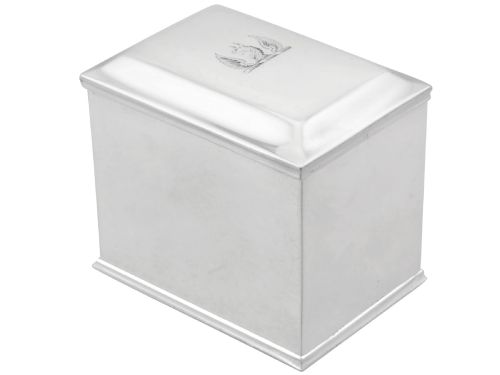
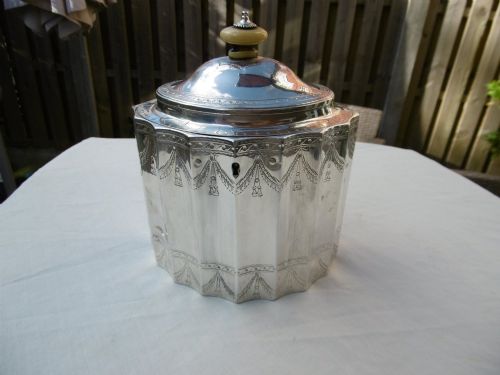
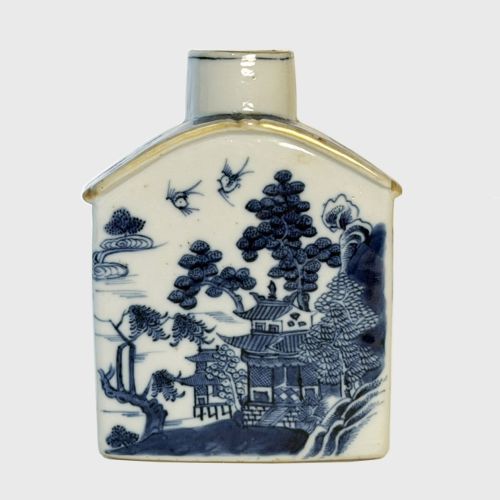
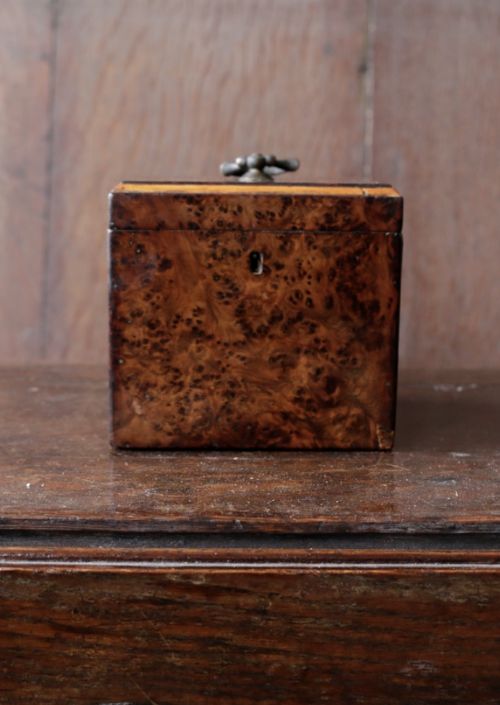
When you search for an 18th century tea canister, you encounter vessels produced across the Georgian era to store precious leaves under lock and key. The selection spans distinct forms, including wooden boxes, porcelain jars, and solid sterling silver caddies.
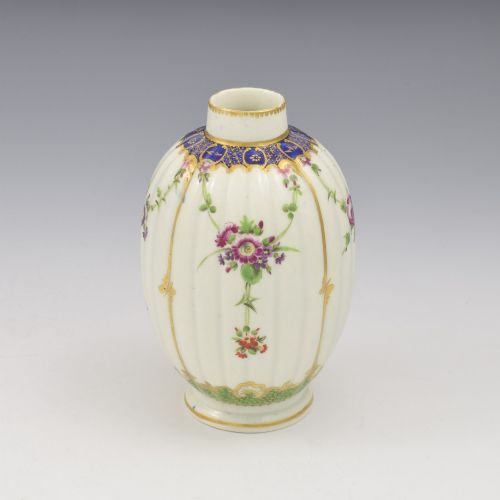
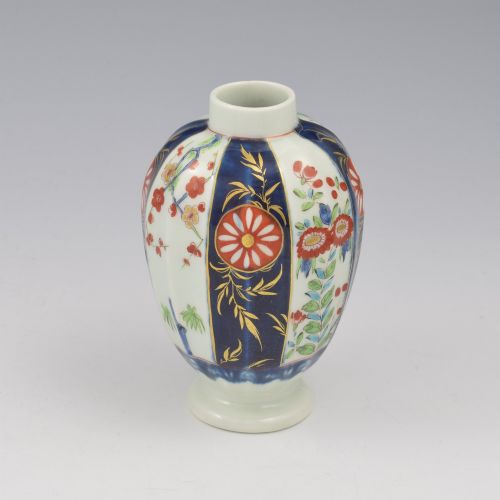
Wooden examples appear in mahogany, walnut, satinwood, and yew, frequently enhanced with intricate wood inlay or shell motifs. Porcelain variations include soft-paste Worcester and Chinese Export pieces, while silver examples showcase the craftsmanship of silversmiths like Robert Hennell.
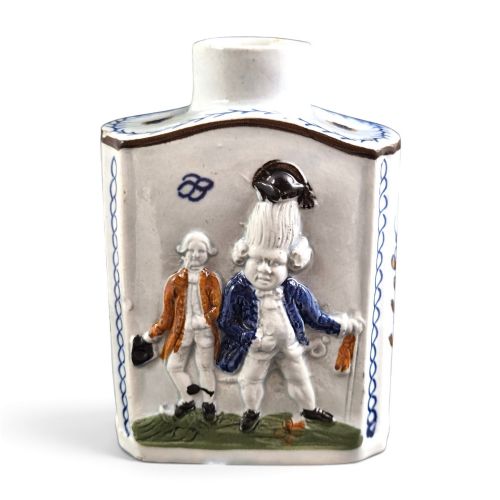
You also find tortoiseshell containers and Staffordshire pottery pieces such as Prattware and creamware. Many survivors retain interior elements like mixing bowls, compartments, or smaller metal canisters for different leaf varieties.
Materials and construction
Cabinetmakers constructed wooden versions from dense hardwoods like mahogany and walnut, frequently applying decorative veneers of satinwood, burr yew, or harewood. Skilled artisans used specialised joinery and delicate stringing or marquetry to ornament the exterior surfaces.
Silversmiths hammered and shaped sterling silver into substantial caddies, often incorporating decorative chasing or engraving. Ceramic makers utilised soft-paste porcelain, creamware, and pearlware, applying hand-painted blue and white or polychrome glazes.
Tortoiseshell examples required careful heat-forming over a supportive core, while brass accents and locks provided both security and visual contrast. Each material demanded specific technical mastery suited to the properties of wood, metal, ceramic, or organic shell.
Several boxes preserve their original glass mixing sticks, survivors of an era when tea masters blended leaves and sugar by hand.
Distinctions in quality
Quality rests upon the crispness of the woodwork, the precision of any inlay, and the survival of original surface finishes. Superior pieces maintain their structural integrity, untouched patination, and working locks with matching keys.
In ceramic and silver examples, excellence is defined by the clarity of the moulded details, the precision of hand-painted decoration, and legible hallmarks. The presence of undamaged original interiors, such as glass mixing bowls or internal lids, elevates the piece further.
Robert Hennell
The 18th Century Tea Canister Glossary
- Soft-paste porcelain
- A type of ceramic body fired at lower temperatures than hard-paste porcelain, common in 18th-century English factories like Worcester. It yields a warm glaze texture and translucent appearance.
- Marquetry
- The art of applying decorative pieces of veneer to a structure to form geometric or pictorial designs. It appears frequently on satinwood and mahogany surfaces.
- Pearlware
- An earthenware developed in Staffordshire during the late 18th century featuring a glazes tinted with a small amount of cobalt to create a bluish-white appearance. It bridges the gap between creamware and later whitewares.
- Sterling silver
- An alloy consisting of silver and other metals, predominantly copper, standardised for durability. Silver caddies from this era carry assay office marks and date letters.
- Tortoiseshell
- The outer shell of certain turtle species utilised as a decorative veneer over a wooden or metal backing. It was heated and moulded into smooth panels for luxury boxes.
18th Century Tea Canister: Frequently Asked Questions
What were 18th century tea canisters used for?
These vessels stored high-value tea leaves securely in the Georgian household. Because tea was an expensive commodity, the containers were often fitted with locks to restrict access.
Inside, many were divided into multiple compartments or paired with internal canisters to keep green and black teas separate. Some also incorporated glass bowls for blending leaves before brewing.
How do I identify a Georgian tea caddy?
Identification relies on observing stylistic markers, construction methods, and materials typical of the 18th century. Look for cabinetmaking traits such as hand-cut dovetails, secondary woods, and period-specific veneers like satinwood or burr walnut.
Silver examples will display standard hallmarks and date letters from the period. Ceramic pieces exhibit the paste characteristics and glaze styles of factories active during the 1700s.
Did all tea caddies come with locks?
Many wooden and tortoiseshell examples featured functional brass locks because tea was heavily taxed and costly. Servants often kept the key, ensuring the mistress of the house maintained control over the supply.
Some simpler containers or ceramic jars relied on fitted lids rather than built-in locking mechanisms.
How do I care for an antique tea caddy?
Maintain wooden surfaces by keeping them away from direct sunlight and rapid humidity changes to prevent veneer lifting. Dust gently with a dry cloth and avoid modern chemical polishes.
For silver, ceramic, or tortoiseshell parts, minimal handling and stable indoor environments preserve the original material integrity.