
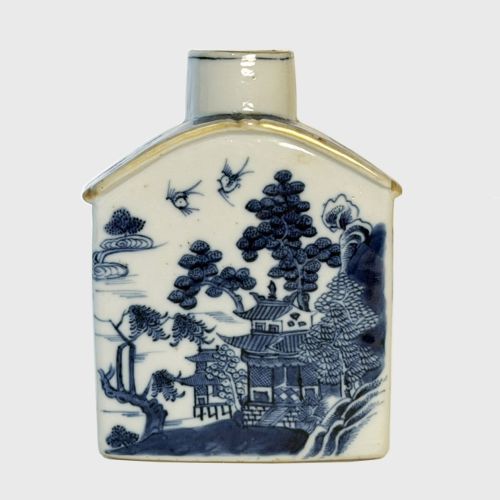


Blue White Ceramic Caddy
These blue white ceramic caddy pieces are small vessels designed to hold precious tea leaves, offering both decorative charm and a glimpse into historical trade.
Blue White Ceramic Caddy
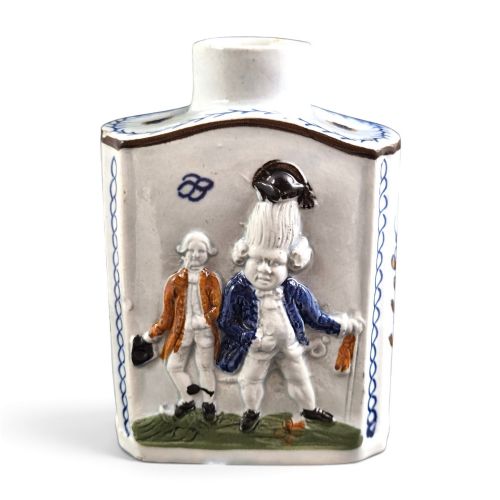
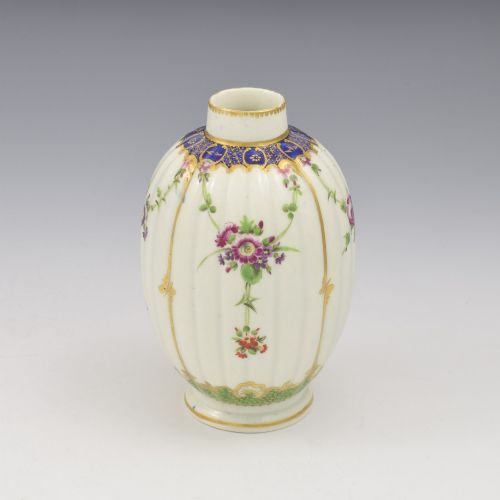
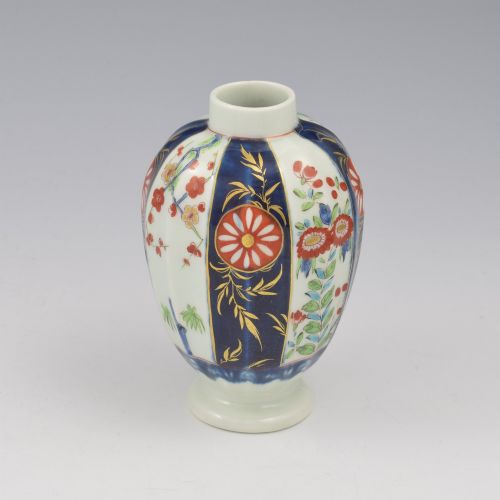
When you search for a blue white ceramic caddy, you are looking at small storage containers designed primarily for loose tea leaves or biscuits, shaped as canisters, boxes, and barrels. These domestic objects survive from the eighteenth, nineteenth, and early twentieth centuries, reflecting centuries of changing interior tastes.
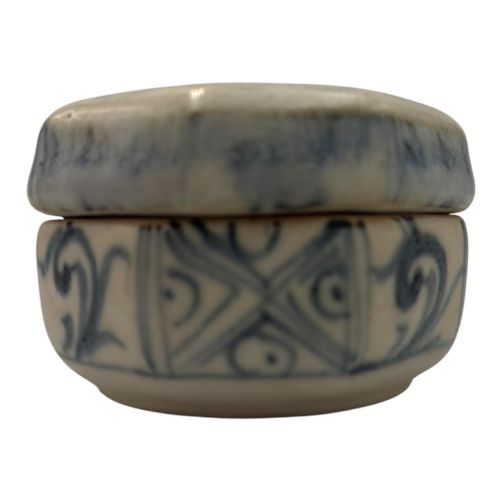
You are most likely to meet English porcelain or earthenware tea canisters alongside Chinese export wares and Vietnamese covered boxes on this page. The forms range from simple cylindrical canisters to octagonal covered boxes and heavily decorated biscuit barrels.
The origins span English potteries like Worcester and Wedgwood, alongside Qing Dynasty Chinese items and Lê Dynasty Vietnamese pieces. Each regional variation brings distinct decorative traditions, from cobalt pigment painting to crackle glazes and flow blue techniques.
Materials and construction
Makers shaped these vessels from soft-paste porcelain, earthenware, and stoneware, applying cobalt pigment beneath a clear glaze before firing. Artisans sometimes added enamel highlights and gold leaf to enrich the finished surfaces.
Potters utilised traditional throwing and moulding techniques to achieve the varied octagonal, fluted, and cylindrical forms seen across these periods. The application of cobalt pigment required steady brushwork directly onto the unfired body or slip.
Some nineteenth-century biscuits required their own dedicated ceramic palace just to keep them dry.
Assessing quality
Quality rests on the crispness of the cobalt painting and the refinement of the ceramic body, separating standard domestic production from finer factory output. Early porcelain bodies show superior translucency and more controlled glaze application.
The sophistication of the form and the precision of any applied moulding or fluting dictate the standing of an individual canister. Secondary decorative details, such as enamel work or gilding, display varying degrees of skilled execution.
George Gordon Morison·Carlton Ware·Wedgwood
The Blue White Ceramic Caddy Glossary
- Biscuit barrel
- A covered ceramic container used for storing biscuits at the Victorian dining table. These vessels typically feature metal rims and handles.
- Cobalt pigment
- A metallic oxide used under the glaze to produce deep blue decoration on ceramics. It withstands high firing temperatures without losing colour.
- Soft-paste porcelain
- A ceramic composition made from clay and glass frit rather than true kaolin and petuntse. It fires at lower temperatures and has a warm, creamy body.
- Flow blue
- A nineteenth-century glazing technique where lime or ammonia chloride vapour was introduced into the kiln to blur the cobalt design. This created a distinctive hazy effect on the finished surface.
- Tea canister
- A small vessel designed to hold dry tea leaves before brewing. Early examples often included fitted ceramic or metal lids.
Blue White Ceramic Caddy: Frequently Asked Questions
What were tea caddies used for?
These vessels stored expensive tea leaves safely away from moisture and light in the dining room or parlour.
Because tea was a costly commodity, the containers were often kept locked inside wooden boxes until serving time.
How do I date a ceramic canister?
Dating relies on identifying the ceramic body type, the specific shade of cobalt pigment, and the manufacturing marks.
Soft-paste porcelain and hand-painted Chinese export pieces generally point to the eighteenth century, while flow blue and printed wares belong to the Victorian era.
How do I display a biscuit barrel?
Biscuit barrels sit well on sideboards, open shelving, or dedicated display cabinets alongside other ceramics.
Their substantial forms and decorative surfaces make them strong focal points in a collection of tablewares.
What is the difference between earthenware and porcelain?
Earthenware is a porous, opaque ceramic body fired at lower temperatures, often used for heavier vessels like biscuit barrels.
Porcelain is denser, vitrified, and sometimes translucent, requiring higher kiln temperatures and finer raw materials.