
18th Century Storage
These pieces of 18th century storage offer robust domestic utility and rich timber grain, bringing period character directly into modern rooms.
18th Century Storage
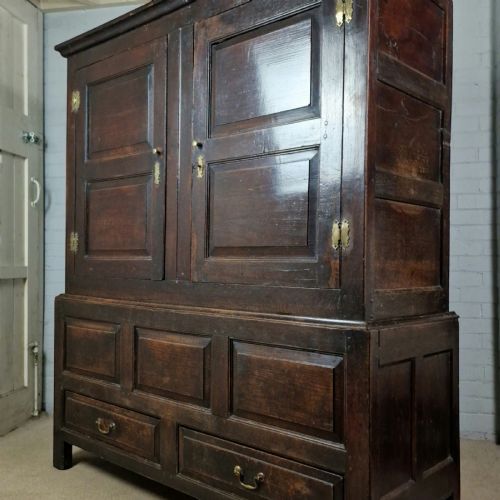
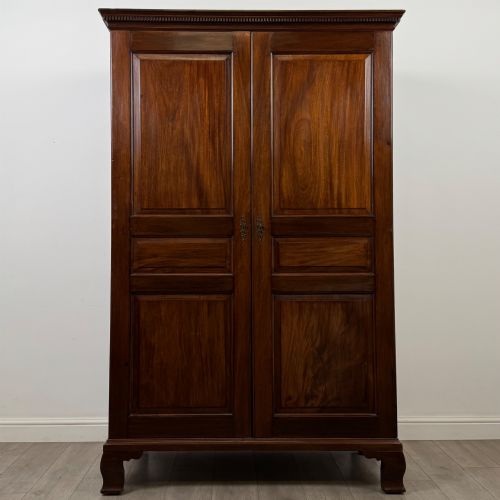
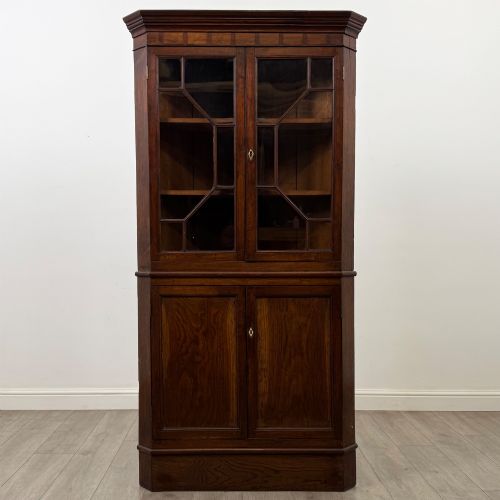
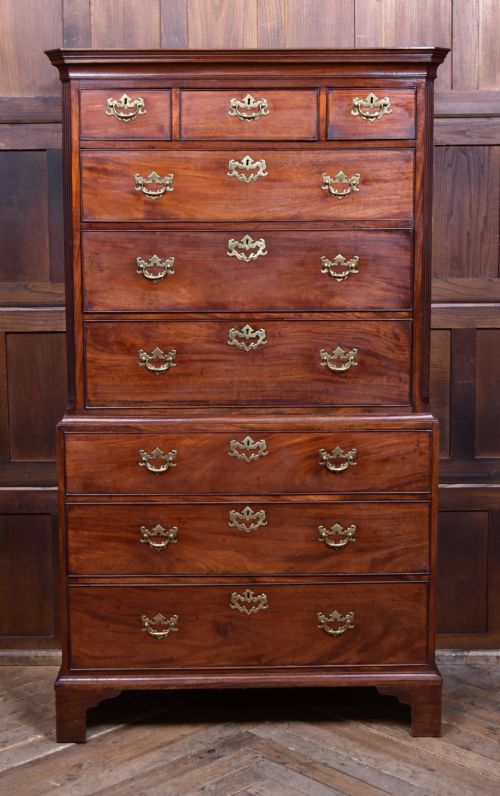
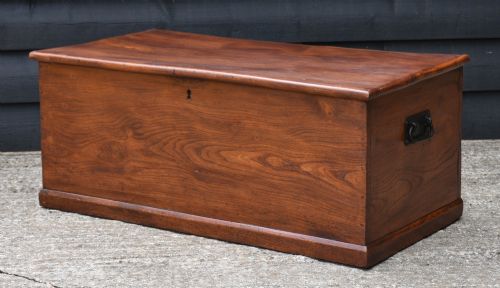
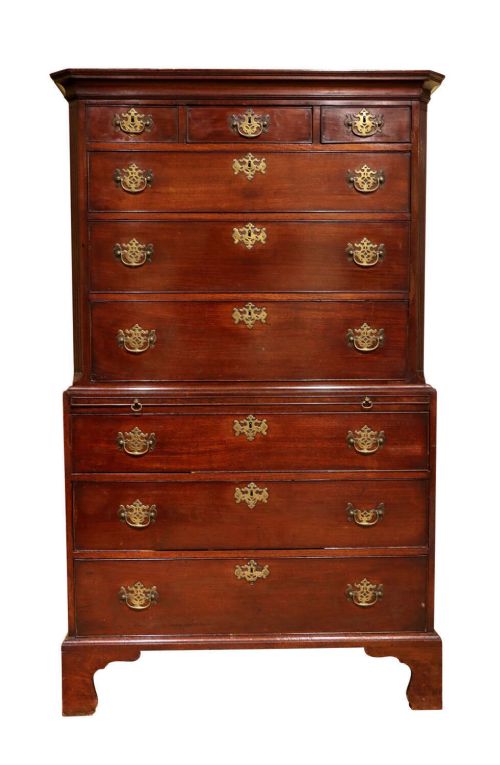
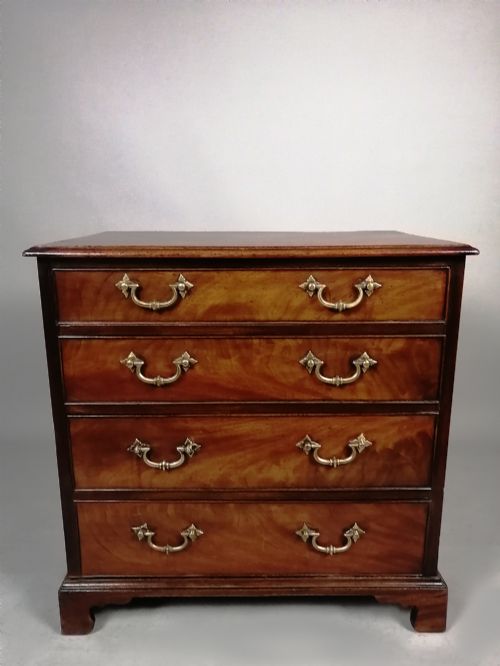
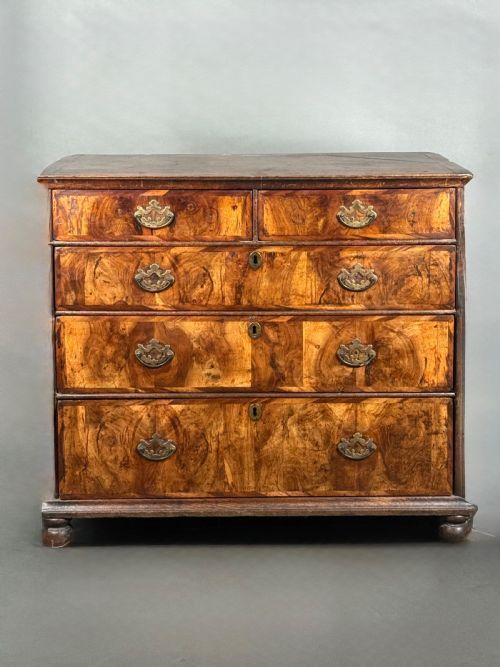
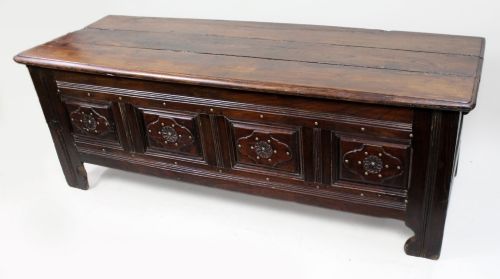
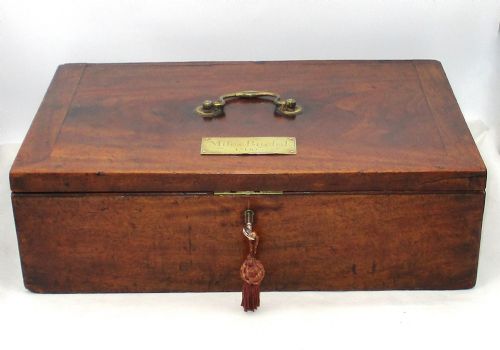
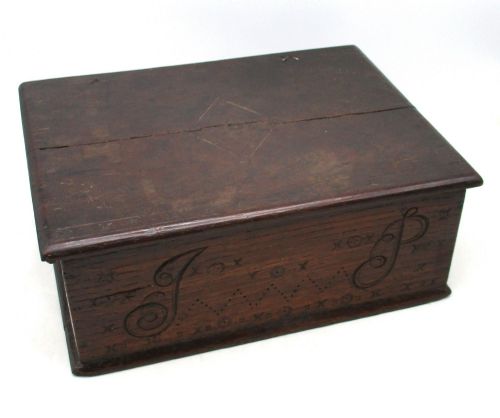
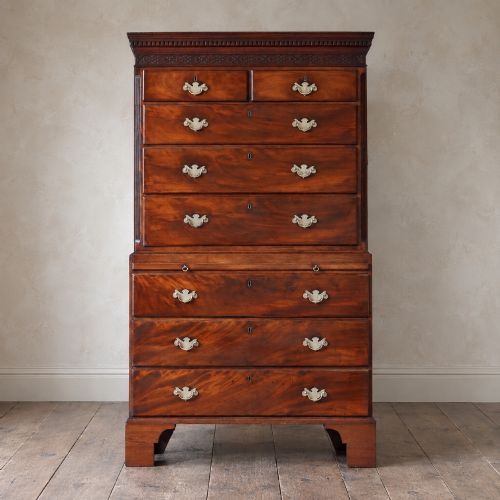
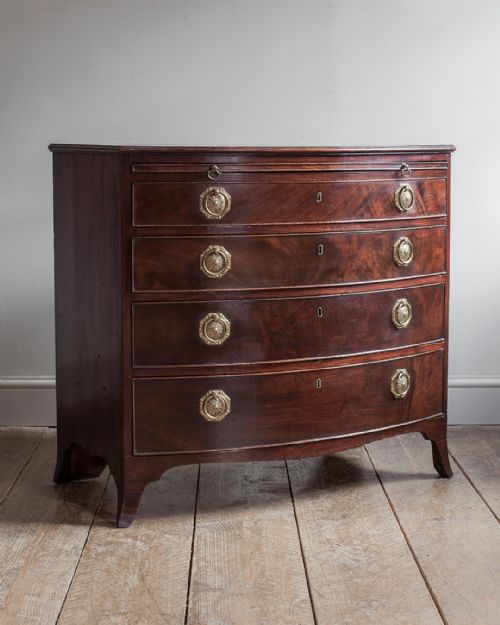
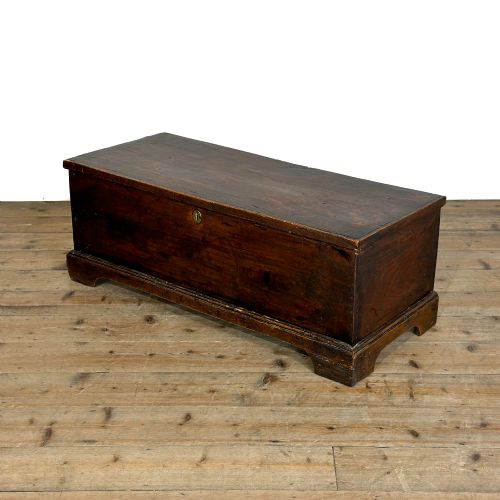
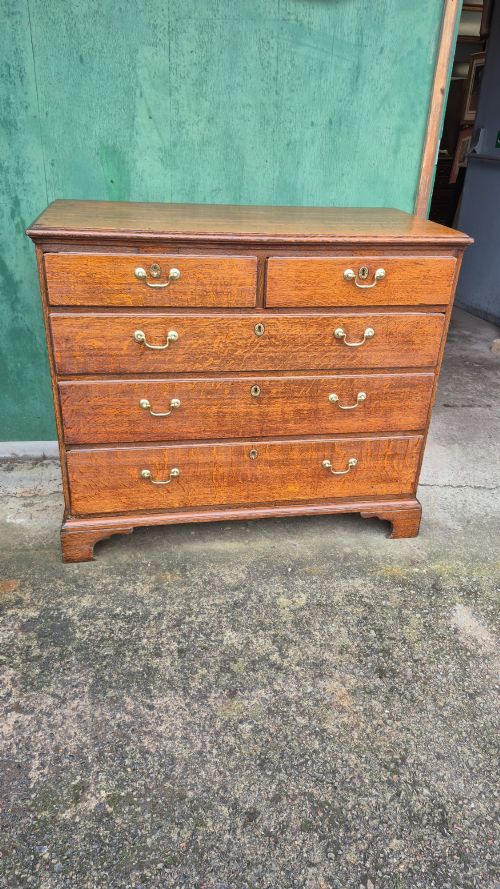
When buyers search for 18th century storage, they encounter a diverse array of utilitarian furniture designed to house garments, linens, and valuables. The selection spans sturdy oak coffers and blanket chests to elegant mahogany chests of drawers, walnut cabinets, and housekeeper's cupboards.
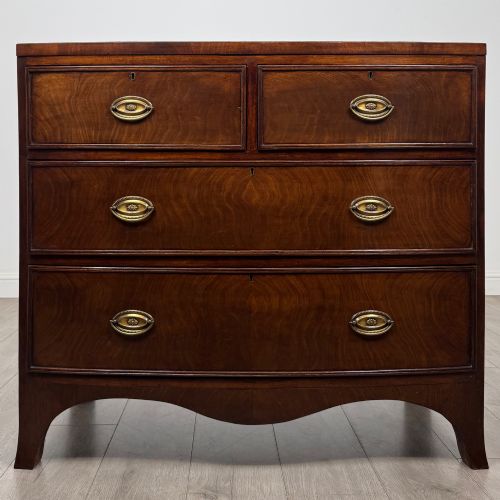
The most common items met on this page are oak and mahogany chests of drawers and panelled coffers dating from the Georgian and earlier periods. These practical objects reflect the domestic habits of their time, offering deep drawers, lifting lids, and enclosed shelving for household organisation.
How they were made
Cabinet makers relied predominantly on native timbers such as oak, elm, and walnut during the earlier decades, transitioning towards imported mahogany as the century progressed. Boards were joined using traditional methods like dovetailing for drawer construction and mortise and tenon joints for panelled coffers and cupboards.
Metal hardware played an essential functional and decorative role, with brass handles, escutcheons, and hinges affixed to secure drawers and lids. Secondary decorative techniques included burr walnut veneers, marquetry inlay, and carved panelling.
Several chests come equipped with hidden compartments designed to outsmart inquisitive household guests and wandering fingers.
What varies in quality
Quality rests primarily in the selection of timber figures and the integrity of the original construction. Pieces exhibiting carefully matched mahogany flames, figured walnut veneers, or intricate marquetry separate themselves from plain utility furniture.
The degree of original hardware, untouched surface patination, and the retention of secondary timbers dictate the standing of an item. Refined proportions, such as well-executed bracket feet and crisp mouldings, distinguish superior workshops from standard regional output.
J Moorcroft
The 18th Century Storage Glossary
- Coffer
- A heavy wooden chest traditionally used for storing valuables, linens, or dry goods. They often feature panelled construction and a hinged lid.
- Mule chest
- A chest of drawers combined with a blanket box, typically featuring one or two drawers beneath the main storage compartment.
- Brushing slide
- A pull-out shelf integrated into the facade of a chest of drawers or chest on chest, used originally for writing or brushing clothes.
- Linen press
- A tall cupboard featuring upper doors enclosing sliding trays for linen storage, often placed above a chest of drawers base.
- Marquetry
- Decorative inlay work using various coloured woods to create floral or geometric patterns on cabinet surfaces.
18th Century Storage: Frequently Asked Questions
What is an 18th century mule chest?
A mule chest combines the deep, top-opening compartment of a traditional blanket box with one or two drawers fitted beneath. This hybrid form gained popularity as households sought easier access to stored garments without disturbing items piled on top.
Cabinet makers constructed these primarily in oak or mahogany, often outfitting them with brass handles and hinges. They served a central role in domestic storage before dedicated wardrobes became common.
How do I tell oak pieces from walnut?
Oak exhibits a pronounced, open grain with visible medullary rays, often showing a warm golden or rich brown tone. Walnut presents a smoother, darker surface with intricate, swirling figure lines and occasional burr patterns.
Early pieces frequently utilise solid oak for regional vernacular forms, while walnut appears in high-status cabinets and chests with decorative veneers and marquetry inlay.
Where should I place a coffer in a modern home?
Coffers and blanket chests adapt well to entryways, living rooms, or bedrooms as functional focal points. Their flat lids allow them to double as seating or display surfaces while concealing blankets or bulky items inside.
Positioning them away from direct heat sources helps preserve the antique timber and maintains the stability of the historical joints.