





18th Century Silver Trinket
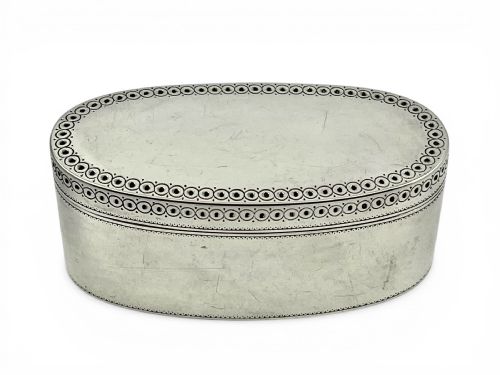
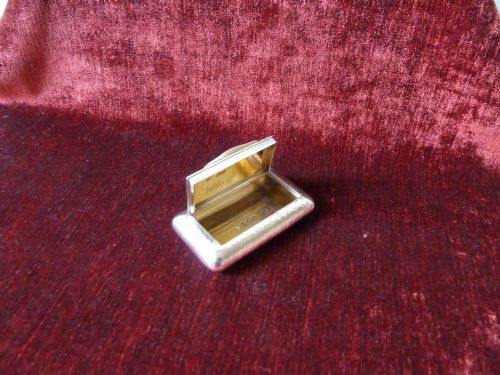
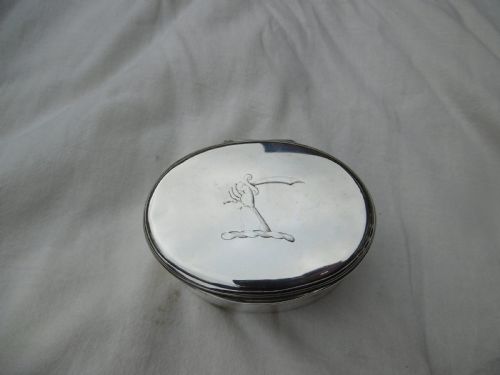
An 18th century silver trinket offers small-scale pocket metalwork for keeping pill, patch or snuff.
18th Century Silver Trinket
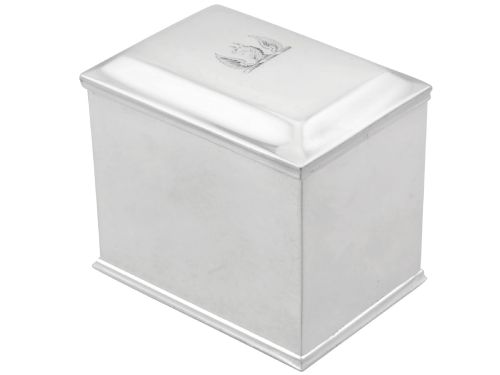
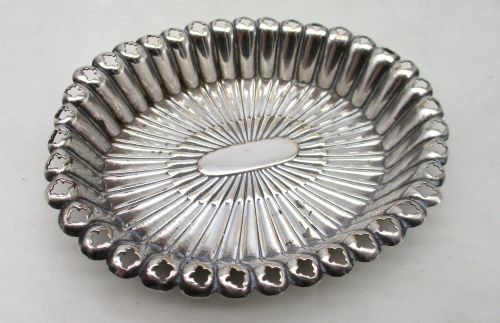
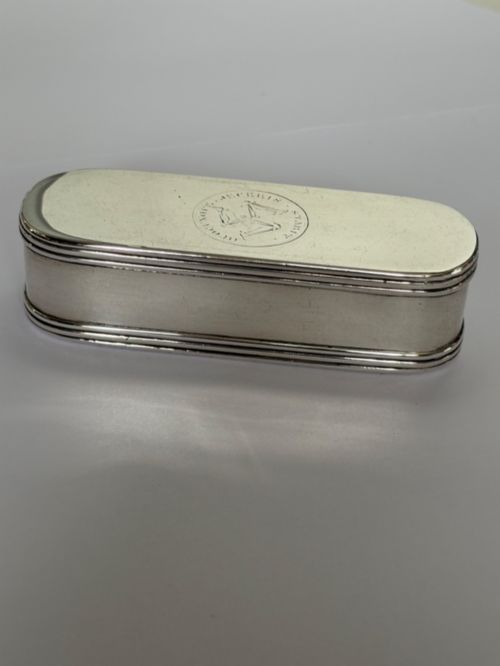
When you search for an 18th century silver trinket, you encounter a selection of pocket containers, snuff boxes, tobacco boxes, and small dishes produced during the Georgian era.
The objects most frequently met on this page are snuff boxes and small boxes shaped in oval, shell, or rectangular forms.
Makers fashioned these pieces across England, Scotland, Ireland, and continental Europe, utilising materials such as sterling silver, silver gilt, and Old Sheffield plate.
How they were made
Silversmiths shaped solid silver and silver gilt through hammering, casting, and chasing to build small boxes and dishes.
Engravers applied bright cut decoration, crests, and cartouches directly onto the metal surface using hand tools.
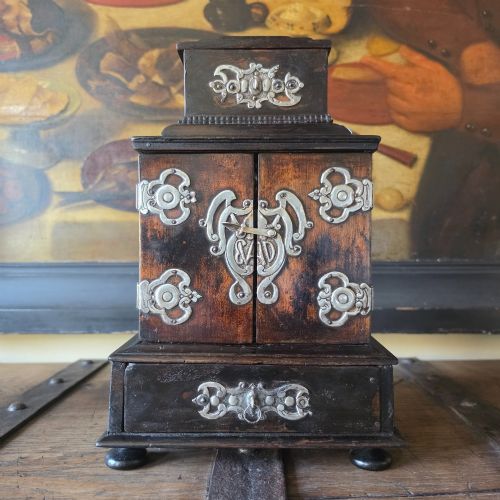
Alternative items integrate wood or shell bodies, such as walnut and tortoiseshell, mounted with silver or silver gilt mounts.
18th Century Silver Trinket Retail Price Guide 2026
Typical asking prices for 18th century silver trinket among the pieces listed under this phrase on Sellingantiques today, from the lower quarter to the upper quarter. They describe what is for sale here now, not the wider market.
Listings feature sterling silver, silver gilt, and Old Sheffield plate formed into snuff boxes, tobacco boxes, and trinket dishes.
What varies in quality
Quality depends on the crispness of the chased motifs, the depth of the engraving, and the precision with which lids fit their bases.
Pieces bearing distinct maker marks and town hallmarks command greater attention from collectors than unmarked examples.
The preservation of original gilding and the clarity of applied crests distinguish standard production items from finer workshop output.
Cornelius Bland·Samuel Pemberton·Matthew Linwood·James Phipps I·John Hillery MacNamara
The 18th Century Silver Trinket Glossary
- Silver gilt
- Silver covered with a thin layer of gold. This technique gives the interior and exterior a rich yellow metal appearance.
- Old Sheffield plate
- A fused composite of silver and copper. Makers produced this material before the invention of electroplating.
- Cartouche
- An ornamental frame or panel often left blank for a crest or initials. Engravers frequently placed these on lid centres.
- Bright cut engraving
- A facet-cutting technique using a flat-bottomed graving tool. It creates reflective, geometric patterns across the metal.
- Hallmark
- Official stamps struck into precious metals. These marks indicate standard, maker, and assay office.
18th Century Silver Trinket: Frequently Asked Questions
What were 18th century silver trinket boxes used for?
People carried these small containers in pockets or purses to hold dry snuff, tobacco, pills, or cosmetic patches.
Wealthy individuals used them as personal accessories for social display during the Georgian period.
How do I identify a Georgian silver snuff box?
Examine the piece for official town hallmarks, maker stamps, and date letters struck into the silver or inside the lid.
Stylistic indicators such as Rococo chasing, bright cut engraving, and cast shell forms also point toward 18th century manufacture.
What is the difference between silver and silver gilt?
Solid silver consists entirely of silver alloy throughout its structure, meeting legal purity standards for the period.
Silver gilt is sterling silver that has received a thin gold coating applied to the surface by fire gilding or chemical methods.
How should I care for antique silver boxes?
Keep the metal clean using a soft microfiber cloth and avoid abrasive polishes that wear away thin engraving and gilding.
Store them in stable environmental conditions away from direct moisture to protect delicate hinges and secondary materials like tortoiseshell.