


18th Century Silver Platter
An 18th century silver platter brings genuine Georgian weight and historic craftsmanship to the dining table.
18th Century Silver Platter
An 18th century silver platter encompasses substantive serving vessels, chargers, and salvers forged during the Georgian era. Buyers hunting for an 18th century silver platter encounter sterling silver alongside Old Sheffield Plate, pewter, and creamware alternatives from the same period.
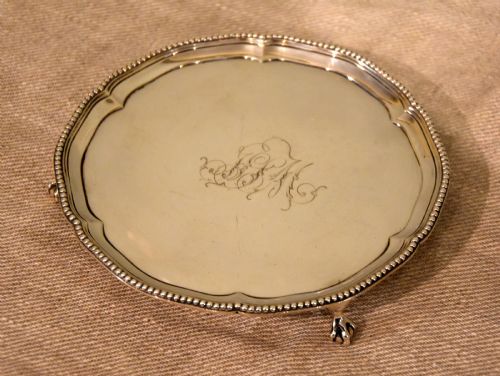
Forms range from plain rim chargers to heavily worked serving trays and card trays. Most examples date from the reigns of George II and George III, reflecting the domestic display habits of the period.
Manufacturing methods
Silversmiths hammered sterling silver and shaped pewter into robust chargers and salvers, often applying chased or shaped rims. Old Sheffield Plate fused a thin layer of silver onto a copper core, a pioneering technique visible in pieces from the latter half of the century.
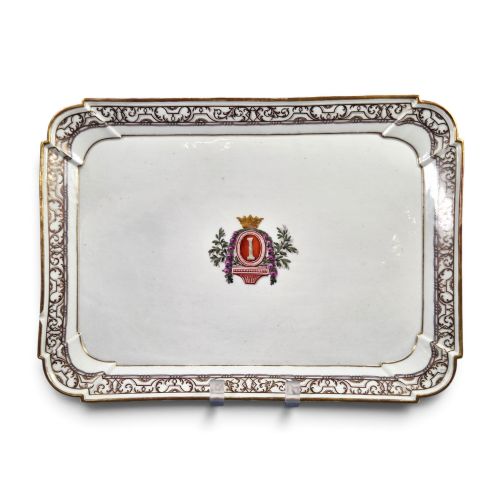
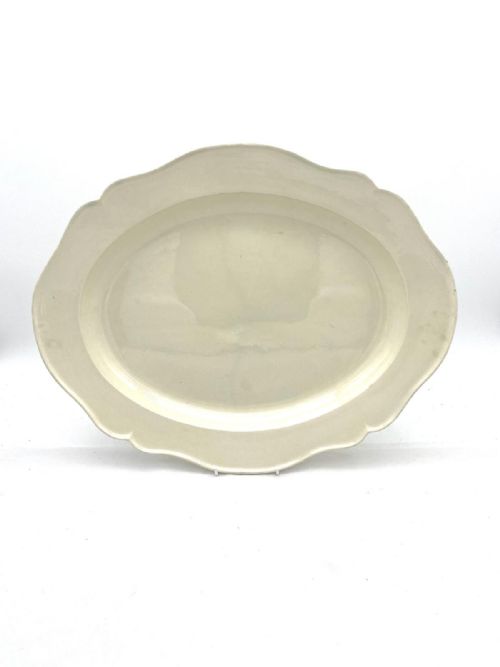
Potters shaped creamware and porcelain into large chargers and trays, finishing some surfaces with enamels or gold leaf. Makers marked their metalwork with hallmarks and maker's stamps to record provenance and standard.
Some chargers span nearly two feet across, demanding serious arm strength to pass the roast beef around the mahogany table.
Judging quality
Quality depends upon the crispness of the chased decoration and the integrity of the base metal. Sterling silver retains its substance better than plated alternatives where the underlying copper shows through heavy wear.
Maker marks and legible hallmarks elevate a piece by confirming exact dates and workshops. Weight also dictates value, as heavier silver or thick pewter indicates substantial metal used in the original casting.
Matthew Boulton·Robert Breading·S Duncomb
The 18th Century Silver Platter Glossary
- Charger
- A large large dish or plate, typically used for serving or as a base beneath other courses. Chargers appear in pewter, creamware, and silver across the eighteenth century.
- Salver
- A flat plate or tray with feet, used for serving drinks or presenting cards. Silver salvers often feature shaped rims and engraved armorials.
- Old Sheffield Plate
- An early fusing technique where a sheet of silver is fused to a thicker copper ingot. This method creates layered metal distinct from solid sterling silver.
- Hallmark
- An official stamp applied to precious metals to guarantee purity and origin. These marks indicate the assay office, date letter, and silversmith.
- Creamware
- A refined earthenware developed in England during the eighteenth century. It has a pale yellowish cream glaze and was frequently formed into large serving dishes.
18th Century Silver Platter: Frequently Asked Questions
What is an 18th century silver platter used for?
These pieces served heavy joints of meat, ceremonial courses, or beverages at dining tables of the Georgian gentry. They functioned both as practical dining implements and as symbols of domestic wealth.
Today, buyers utilise them as centrepieces, decorative wall chargers, or functional serving trays for modern dining.
How do I clean an old silver platter?
Maintenance requires mild soapy water and a soft cloth to preserve the historic patina and delicate engraved details. Avoid abrasive cleaners that strip the surface or wear down thin silver plating.
For sterling silver, periodic application of a non-abrasive silver polish keeps the metal bright without damaging soft eighteenth-century surfaces.
How can I tell sterling from plated items?
Sterling silver items bear clear hallmarking stamps including a lion passant, city mark, and date letter. These punch marks confirm solid precious metal composition.
Old Sheffield Plate and base metal alternatives often show traces of reddish copper beneath worn silver areas, lacking official sterling assay marks.
What is the difference between a salver and a platter?
Salvers generally feature small supporting feet and serve drinks, letters, or small items in a formal setting. Platters are larger, flatter dishes designed primarily for holding food at the table.
Both forms share the characteristic craftsmanship and aesthetic of the Georgian period.