




18th Century Silver Milk Jug
These 18th century silver milk jug examples are Georgian tableware items crafted in sterling silver, offering a practical touch of historical elegance for the modern home.
18th Century Silver Milk Jug
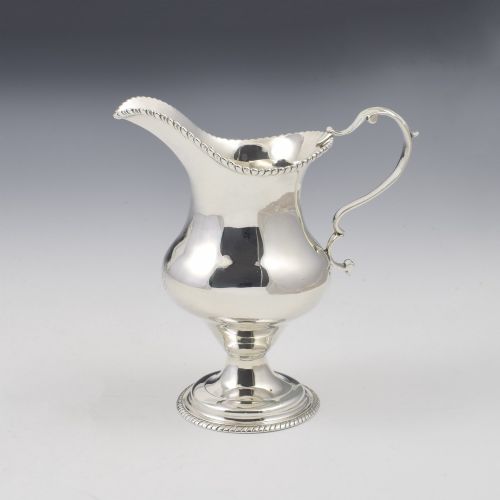
An 18th century silver milk jug is a small piece of tableware designed for serving milk or cream alongside tea and coffee. The examples found here span the Georgian era, encompassing forms such as cream jugs, cream pails, and ewers.
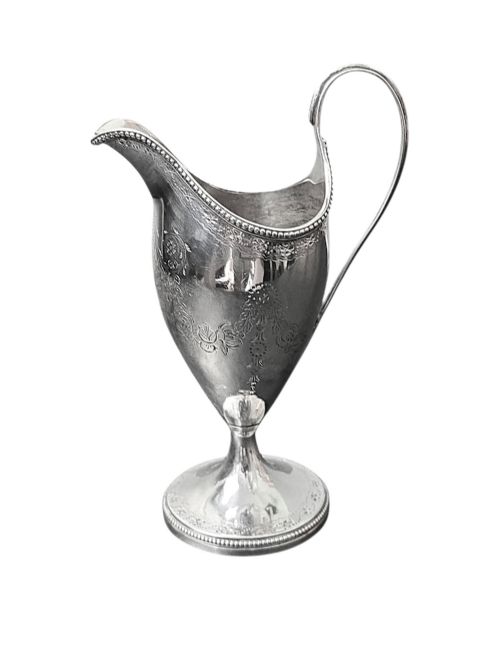
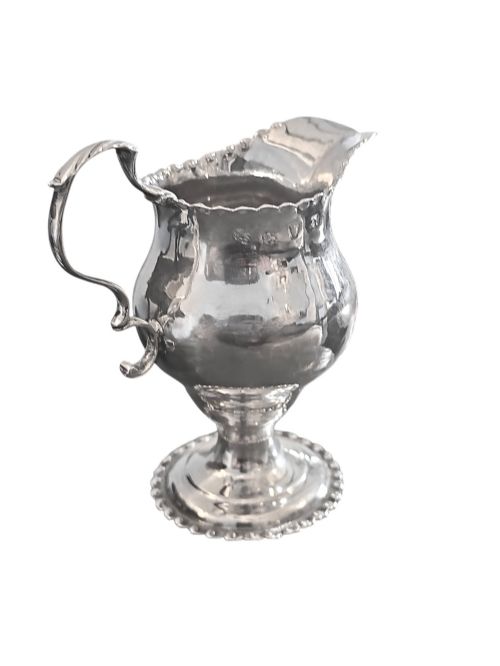
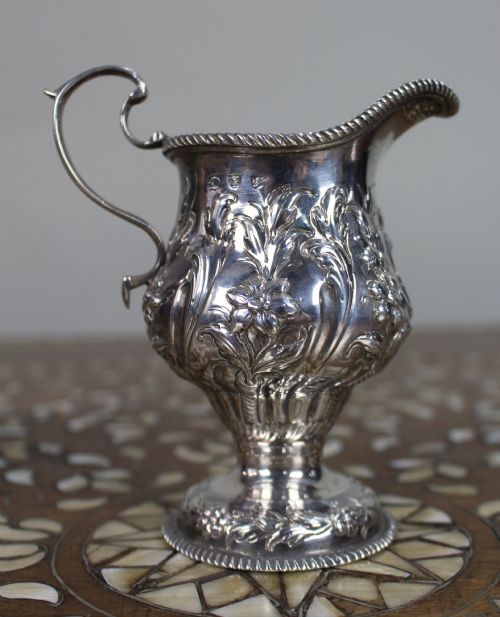
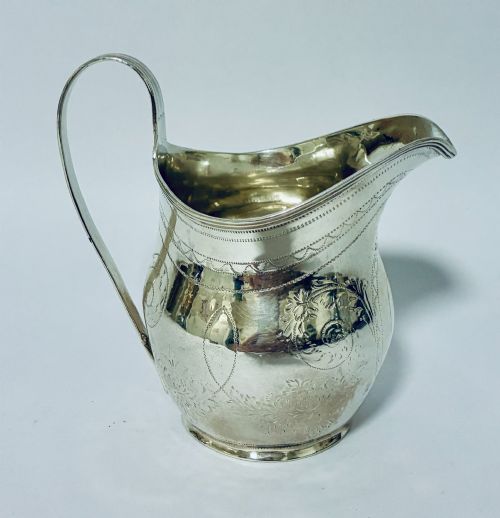
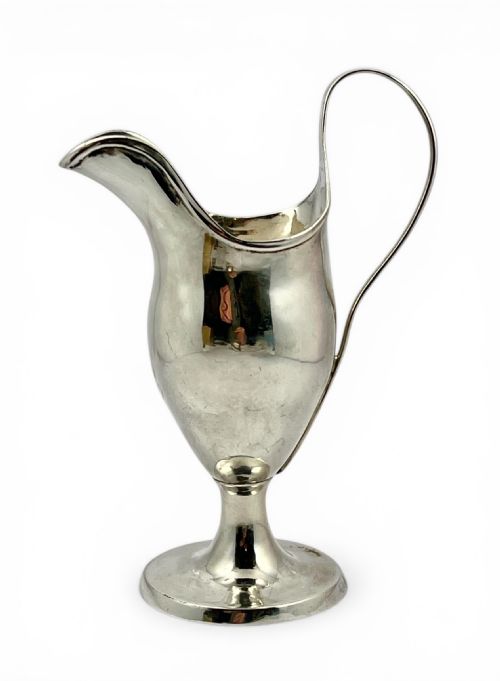
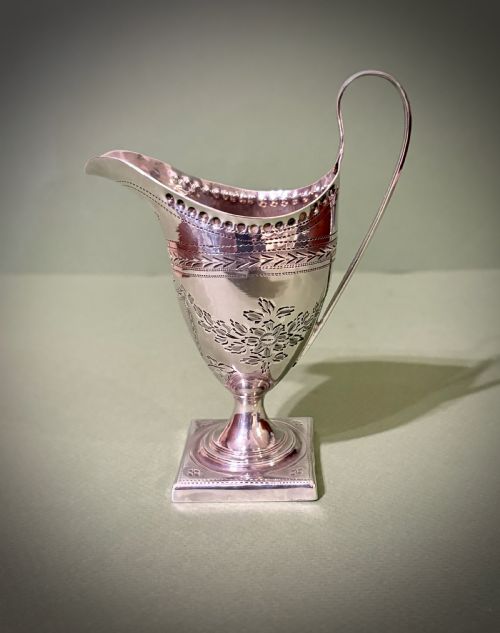
Buyers will encounter varied regional British origins, including pieces assayed in London and Newcastle, alongside Scottish provincial items from makers such as James Gordon in Aberdeen. Forms range from helmet cream jugs and sparrow beak jugs to footed ewers.
The prevailing aesthetic reflects 18th Century and Georgian design sensibilities, executed entirely in sterling silver. These functional items served elite households during tea service and remain collectable domestic silver today.
How they were made
Silversmiths of the Georgian period constructed these vessels primarily from solid sterling silver using traditional smithing techniques. Pieces such as footed ewers and helmet cream jugs required careful hammering, raising, and soldering of the silver sheets.
Makers shaped specific regional forms, like the sparrow beak or the cream pail, by hand to achieve the required curvature and stability. Assay office marks were then stamped directly onto the silver to guarantee metal purity and origin.
18th Century Silver Milk Jug Retail Price Guide 2026
Typical asking prices for 18th century silver milk jug among the pieces listed under this phrase on Sellingantiques today, from the lower quarter to the upper quarter. They describe what is for sale here now, not the wider market.
Some provincial makers clearly enjoyed giving small cream jugs the aggressive military silhouette of a Roman helmet.
What varies in quality
The distinction between ordinary and superior pieces rests upon the crispness of the silversmith's workmanship and the distinctiveness of the form. Helmet jugs and sparrow beak profiles with well-balanced proportions and clear, legible hallmarks command greater interest.
The reputation of the maker and the specific provincial or metropolitan origin also influence distinction. Pieces bearing identifiable marks from recognised makers or workshops carry greater documentary weight than unmarked or heavily worn examples.
Stalker and Mitchison·James Gordon·Peter and Ann Bateman·John Mackfarlan
The 18th Century Silver Milk Jug Glossary
- Sterling silver
- A silver alloy containing 92.5 percent pure silver and 7.5 percent other metals, usually copper, ensuring durability for tableware.
- Hallmark
- An official stamp applied to silver items by an assay office to indicate purity, the maker, and the year of production.
- Sparrow beak
- A small 18th-century cream jug featuring a distinctive, pinched spout resembling a bird's beak.
- Helmet cream jug
- A popular Georgian cream jug style characterised by a flared foot and a rim shaped like a classical helmet.
- Provincial silver
- Silverware manufactured and marked outside of the primary assay office in London, often originating from regional centres like Newcastle or Aberdeen.
18th Century Silver Milk Jug: Frequently Asked Questions
What is an 18th century silver milk jug?
These items are small sterling silver vessels produced during the Georgian period to serve milk or cream at the tea table.
They appear in various regional forms, including helmet shapes, sparrow beak designs, and footed ewers.
How were these jugs used?
Wealthy households utilised these vessels during formal tea and coffee services to pour cream or milk.
Their small capacities reflect the high cost and luxury status of tea and sugar in the 18th century.
How do I care for silver tableware?
Silver requires gentle cleaning with non-abrasive cloths and specialised silver polishes to maintain its surface without removing the hallmarks.
Regular handling and careful storage away from moisture help preserve the metal over time.
How can I tell the period?
Physical characteristics such as the helmet silhouette, sparrow beak spout, and footed ewer forms point directly to Georgian design.
Official assay office marks stamped into the silver provide exact verification of the manufacturing year and location.