




18th Century Saint Canvas
These 18th century saint canvas works bring devotional oil painting into a room, offering genuine period religious portraiture for collectors.
18th Century Saint Canvas
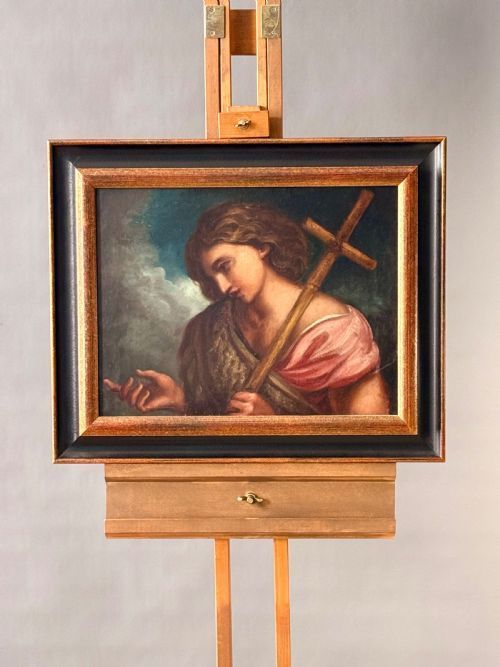
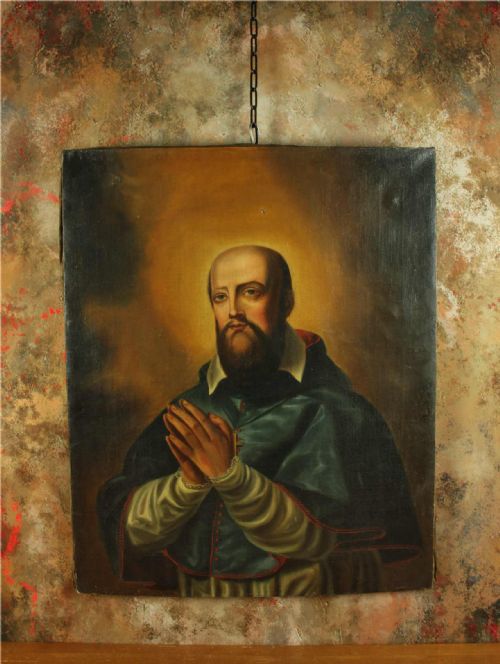
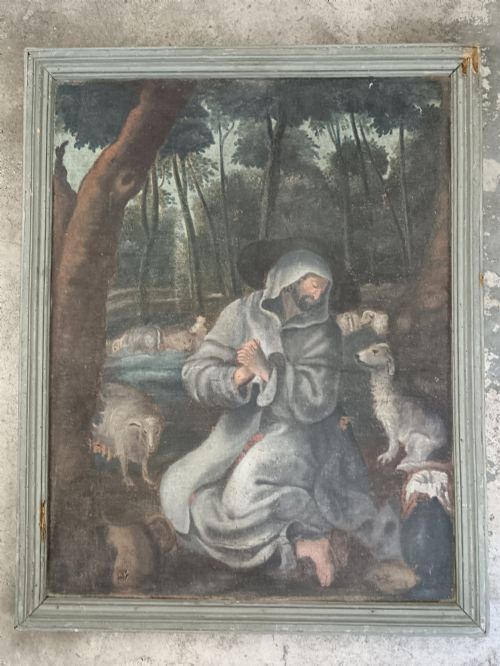
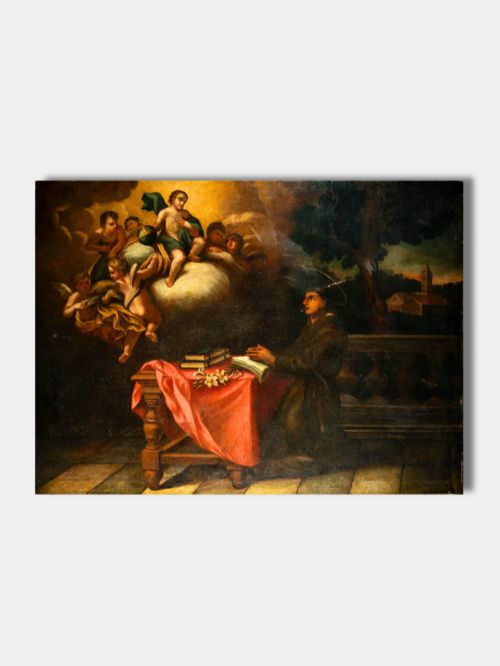
When you search for 18th century saint canvas, you encounter devotional oil paintings depicting revered figures such as Saint John the Baptist, Saint Francis of Assisi, and the Virgin Mary. These works emerge primarily from Italian, Spanish, and French schools, capturing the profound spiritual themes favoured during the period. Buyers frequently meet regional interpretations ranging from accomplished old master followers to naive European workshop productions.
The subjects span monumental visions of saints, intimate portrayals of holy families, and contemplative scenes of figures like Saint Catherine and Saint Mary Magdalen. Surviving works often reflect Baroque and classical sensibilities, showing how regional painters adapted religious iconography for private chapels or domestic devotional spaces. Canvas supports dominate the selection, frequently retaining their original character alongside historic frames.
Materials and construction
Painters applied oil paint directly onto stretched woven canvas grounds, occasionally utilising wooden panel supports or applying gesso layers to prepare the surface. Pigments were blended with drying oils to achieve deep tonalities, subtle shadows, and luminous flesh tones characteristic of period religious works.
18th Century Saint Canvas Retail Price Guide 2026
Typical asking prices for 18th century saint canvas among the pieces listed under this phrase on Sellingantiques today, from the lower quarter to the upper quarter. They describe what is for sale here now, not the wider market.
Listings feature Italian, Spanish, and French regional schools working in oil on canvas, wood, and gesso.
Judging quality and execution
Quality rests upon the confidence of the brushwork and the expressive rendering of the saintly figures, distinguishing accomplished studio output from more formulaic provincial copies. Superior canvases display sophisticated handling of light and shadow, drapery articulation, and anatomical proportion.
Francesco Solimena Workshop·Raffaello Sanzio Da Urbino·Antonio Allegri Correggio·Antonio Tempesta
The 18th Century Saint Canvas Glossary
- Pentimento
- Alteration in a painting evidenced by visible traces of previous brushstrokes or underlying compositions changed by the artist during creation.
- Old Master
- Term applied to a European painter of skill working before the nineteenth century, or to a painting by such an artist.
- Giltwood
- Wood that has been coated with a thin layer of gold leaf or gold paint, commonly utilised for historic picture frames.
- Gesso
- A paint mixture consisting of a white pigment bound with glue, used to prepare canvas or wood surfaces for painting.
18th Century Saint Canvas: Frequently Asked Questions
How should I hang an old oil painting?
Position the canvas away from direct sunlight, damp walls, and heat sources to protect the delicate oil pigments and wooden stretcher frames.
Ensure the wall fixings match the weight of the artwork and its heavy giltwood frame securely.
Are these paintings original eighteenth century works?
The selection includes period pieces painted during the seventeen-hundreds alongside faithful eighteenth-century copies after earlier Renaissance masters.
Examine the canvas weave, stretcher construction, and pigment ageing to understand the physical history of each painting.
What is a naive school painting?
Naïve works are created by self-taught or provincial painters who operated outside the formal academic standards of major European art capitals.
These paintings possess a charmingly direct aesthetic that prioritises devotional sincerity over strict anatomical proportion.