




18th Century Ring
An 18th century ring brings tangible Georgian craftsmanship to the hand, combining period gemstones and precious metals in surviving designs.
18th Century Ring
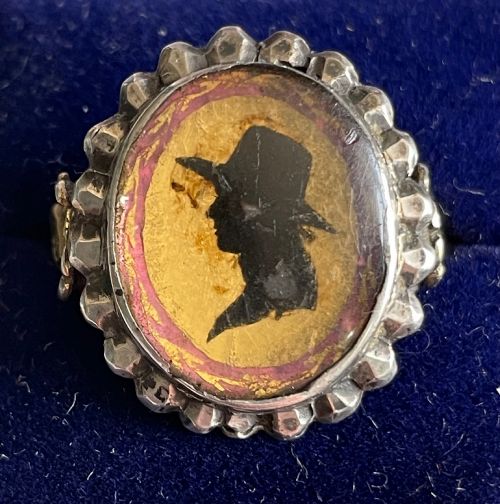
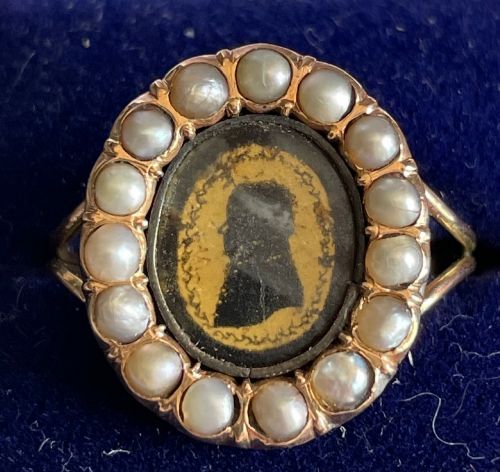
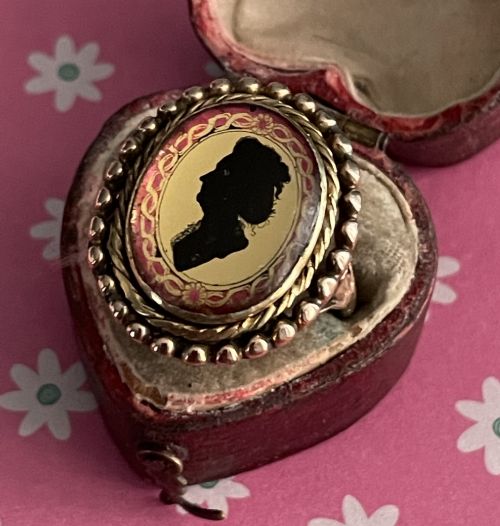
An 18th century ring represents surviving jewellery from the Georgian era, encompassing cluster forms and posy inscriptions. These pieces reflect the prevailing aesthetics and sentiments of the period through their distinct construction.
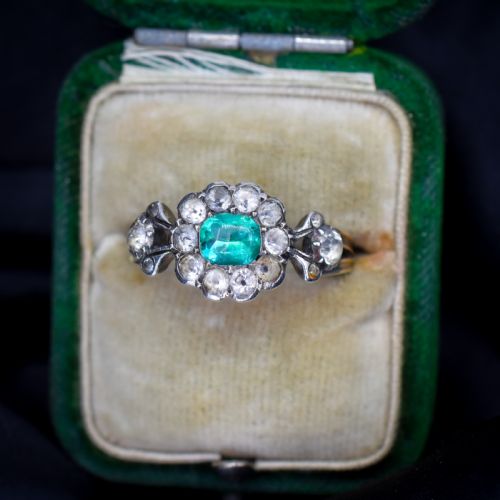
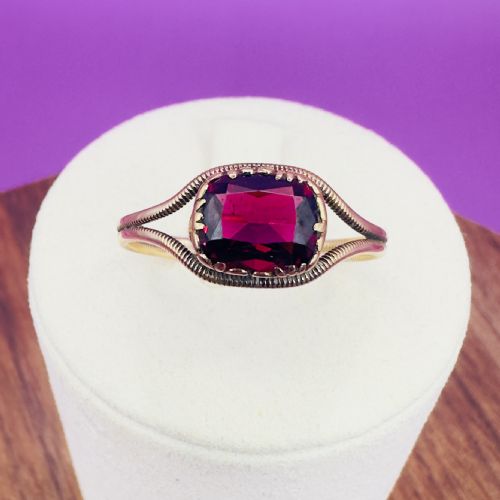
The specific version encountered here pairs green and clear paste stones within a mixed metal setting. This combination captures the decorative priorities typical of Georgian jewellers working in silver and gold.
How they were made
Materials utilised in these pieces include silver, 9ct gold, and coloured paste stones. Metals were shaped by hand to support the mounted gems.
Techniques relied on traditional bench methods to form clusters and secure stones within the metal mountings. Artisans balanced structural support with delicate visual proportions.
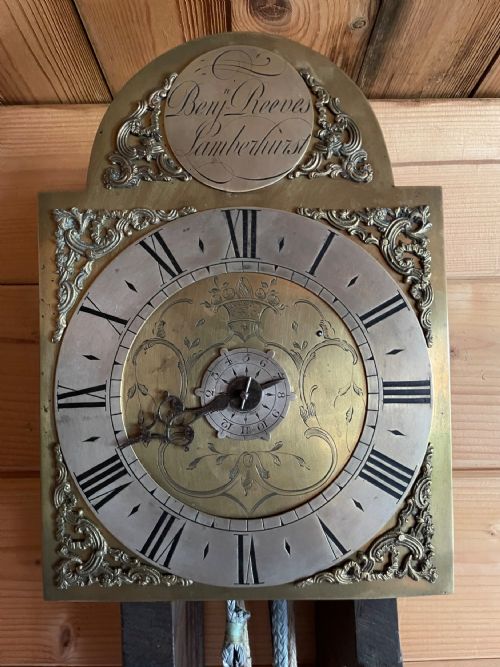
A tiny green paste cluster ring keeps quiet company among grand oil portraits and ticking longcase clocks.
What varies in quality
The finesse of metalwork and the precision of stone setting distinguish different examples. Superior execution shows careful integration between the silver collets and the gold shanks.
The condition and retention of original paste stones affect the integrity of the piece. Fine examples maintain their original components without later alterations.
Sir Joshua Reynolds·Henrietta De Beaulieu Dering Johnston·Egan Parsonstown·David Beringer·Thomas Pringle St Ninians·Robert Manwaring
The 18th Century Ring Glossary
- Paste
- Hand-cut glass used as a gemstone substitute in historic jewellery. It allowed jewellers to create vibrant coloured clusters.
- Georgian
- The period spanning the reigns of the Hanoverian kings from 1714 to 1830. Jewellery from this era displays distinct stylistic traits.
- Cluster ring
- A jewellery design featuring a central stone surrounded by a border of smaller gems. This layout maximised visual impact on the hand.
18th Century Ring: Frequently Asked Questions
What is an 18th century ring made from?
These rings combine precious metals such as silver and 9ct gold with decorative elements like green and clear paste stones. The materials reflect the standard workshop practices of the Georgian period.
Craftsmen utilised these components to achieve specific visual contrasts between the yellow gold and the bright silver settings holding the stones.
How do I care for an 18th century ring?
Historic jewellery requires gentle handling to protect fragile paste stones and delicate metal settings from impact and moisture. Routine cleaning should be avoided unless performed by a specialist.
Storage in a dedicated, padded box prevents accidental scratching against other items of jewellery.
Are 18th century rings wearable today?
Many examples remain suitable for occasional wear provided they receive proper care and regular inspection of the settings. Due to their age, they benefit from gentle treatment during daily activities.
Owners often choose to reserve them for special occasions to minimise wear on the historic metal and stones.
How do I identify a Georgian ring?
Identification relies on examining the construction methods, materials, and stylistic characteristics typical of the 18th century. Hand-cut paste stones and mixed silver and gold settings offer key diagnostic clues.
Comparing the piece with documented examples from the same era helps confirm its period origins.