




18th Century Religious Canvas
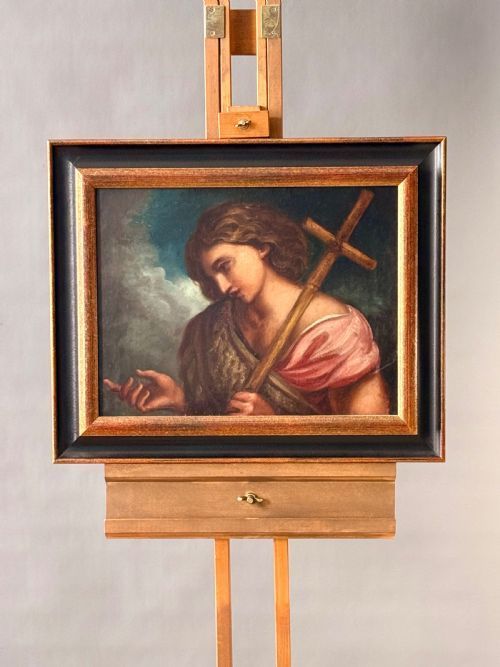
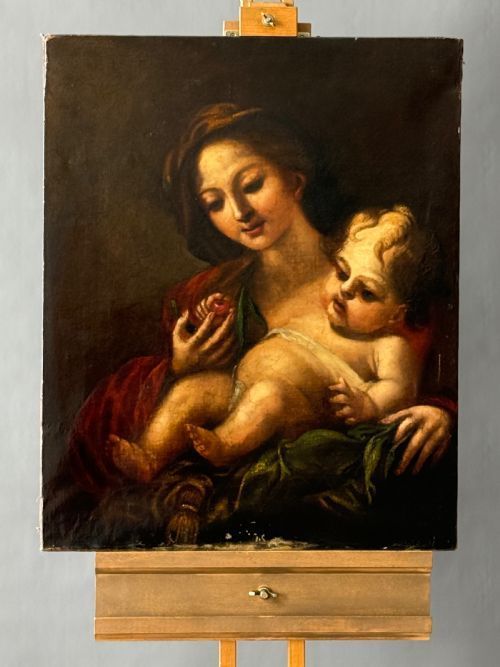
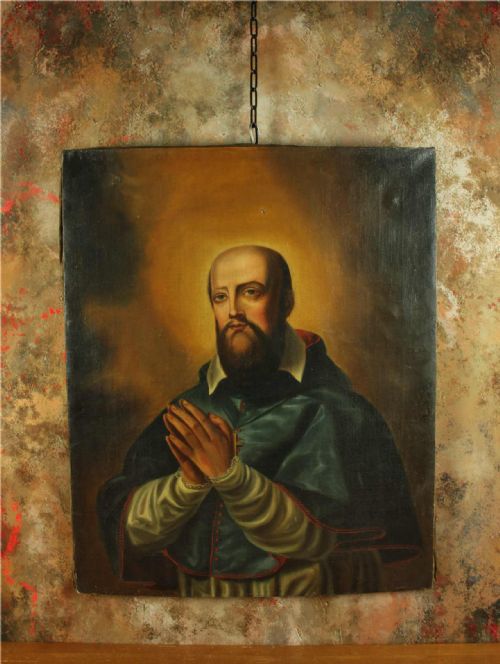
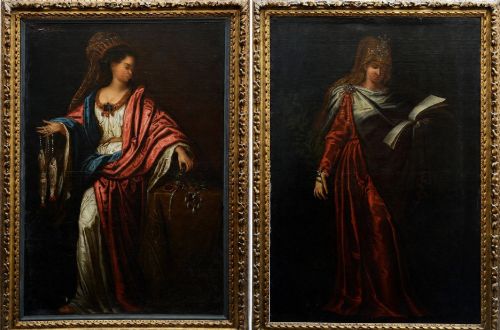
An 18th century religious canvas brings devotional subject matter and traditional oil painting techniques into a room.
18th Century Religious Canvas
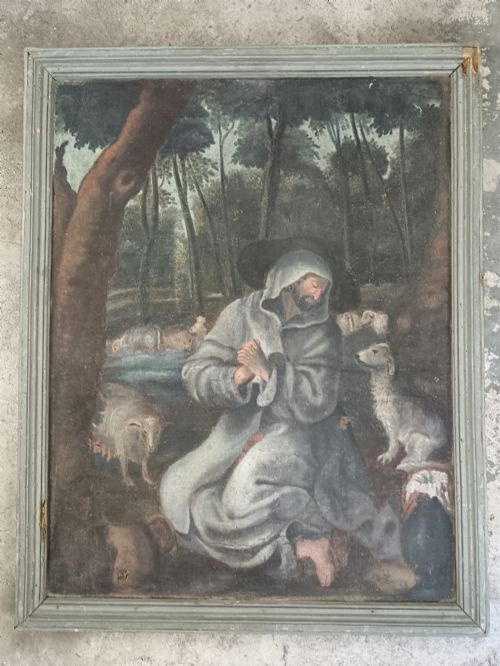
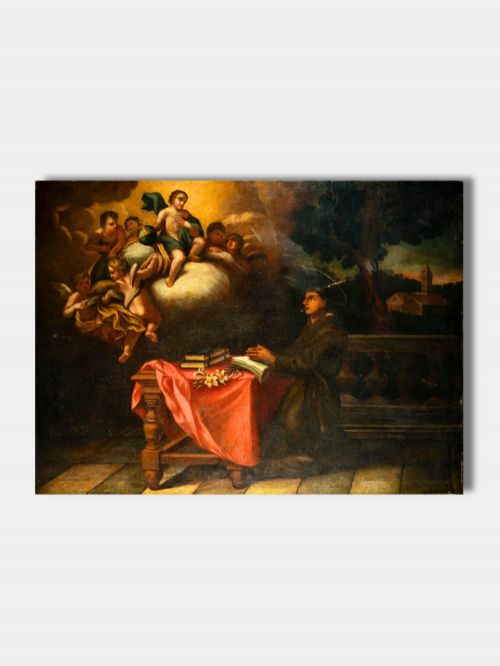
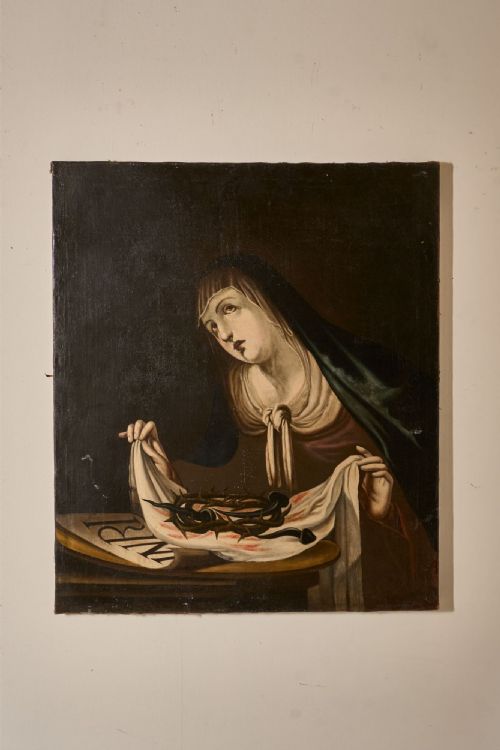
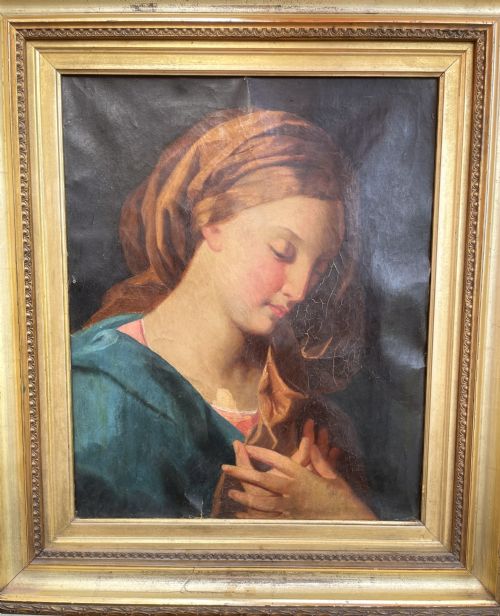
When searching for an 18th century religious canvas, collectors encounter devotional oil paintings executed across European schools, including Italian, French, and Spanish traditions. Subjects frequently depict biblical figures, saints, and Marian scenes such as the Madonna and Child or the Passion of Christ.
The pieces listed on this page range from monumental works to intimate portrayals, often bearing attribution to specific regional schools or followers of major Renaissance and Baroque masters. Canvas supports dominate the selection, occasionally paired with period wood or giltwood frames.
How They Were Made
These works rely on oil paint applied to woven canvas supports, a standard method for durable figurative art during the period. Pigments were built up in layers, sometimes revealing pentimenti where artists altered compositions during the painting process.
Many of these works are housed in wood or giltwood frames that complement the canvas, reflecting the craftsmanship of period framers who worked alongside painters.
18th Century Religious Canvas Retail Price Guide 2026
Typical asking prices for 18th century religious canvas among the pieces listed under this phrase on Sellingantiques today, from the lower quarter to the upper quarter. They describe what is for sale here now, not the wider market.
Materials documented across the page include canvas, oil paint, wood, and giltwood frames.
What Varies in Quality
Quality in an 18th century religious canvas rests upon the anatomical precision, brushwork confidence, and expressive depth demonstrated by the artist. Works executed by academy-trained hands or recognised workshop circles exhibit superior handling of drapery, light, and shadow compared to simpler regional or naïve efforts.
The condition of the oil paint and canvas support also influences standing, as undisturbed original surfaces and legible iconography elevate a piece within its school.
Francesco Solimena Workshop·Juan Ruiz Soriano Circle·Pompeo Batoni Studio
The 18th Century Religious Canvas Glossary
- Oil on canvas
- Pigments bound in a drying oil, typically linseed, applied to a stretched woven fabric support. This combination allowed for rich colour blending and durability.
- Giltwood
- Wood carved and coated with gold leaf or gold paint, frequently used for period frames enclosing religious paintings.
- Pentimento
- An alteration in a painting evidenced by underlying visible brushstrokes or older painted shapes that the artist painted over. It proves the hand of the artist working directly on the canvas.
- Old Master
- A term for a skilled European artist working before about eighteen hundred, or a painting by such an artist. These works often follow established academic traditions.
18th Century Religious Canvas: Frequently Asked Questions
How do I identify Italian school religious paintings?
Italian school attributions typically rely on stylistic traits associated with regional centres like Venice or Emilia, focusing on theatrical compositions and rich colour palettes. Comparing the brushwork and iconography to documented examples from the period helps confirm the origin.
Examining the treatment of light and drapery provides further clues, as Italian Baroque and subsequent eighteenth-century movements favoured dramatic contrasts and expressive religious figures.
What subjects are common in these religious canvases?
Common subjects include depictions of the Virgin Mary, the Holy Family, and various saints such as Saint Francis, Saint Catherine, and Saint John the Baptist. Narrative scenes from the Passion of Christ or devotional portraits also appear frequently.
These themes reflect the religious devotion and liturgical requirements of eighteenth-century patrons across Catholic Europe.
How should I care for an old canvas painting?
Protect the canvas from direct sunlight, extreme temperature fluctuations, and high humidity to prevent paint cracking and fabric degradation. Displaying the work in a stable indoor environment preserves the integrity of both the oil paint and the support.
Dust the surface very gently with a soft, dry brush if necessary, but leave cleaning or restoration to professional conservators.
What does after a master mean on a listing?
The term after a master indicates that the painting is a later copy or adaptation of a well-known composition by a prominent artist like Raphael or Correggio. These works were often created by students or followers for study or devotional purposes.
Such pieces still date to the eighteenth century but derive their composition from earlier celebrated works.