




18th Century Religious Artwork
These 18th century religious artwork pieces bring devotional portraiture and narrative scenes into your interior, spanning Italian Baroque, French Baroque, and Spanish Baroque traditions.
18th Century Religious Artwork
When you search for 18th century religious artwork, you encounter devotional imagery primarily rooted in Catholic and European traditions, capturing saints, biblical figures, and sacred narratives. These pieces reflect the prevailing stylistic shifts of the Georgian and 18th century periods across various regional schools.
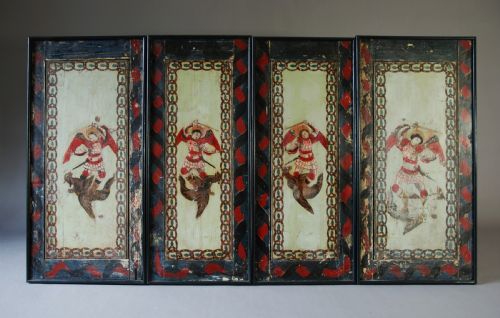
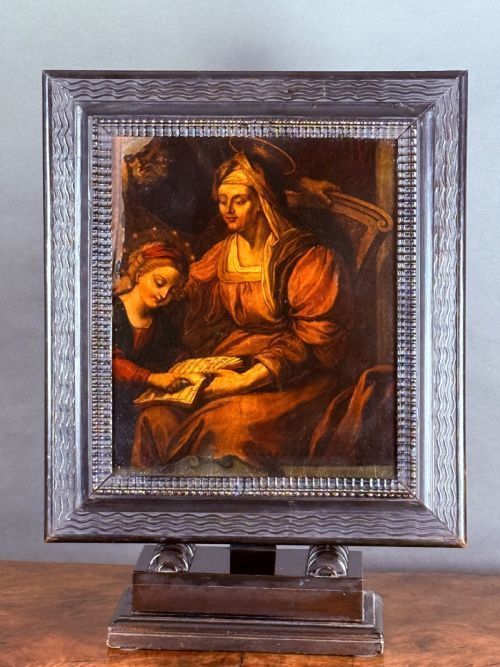
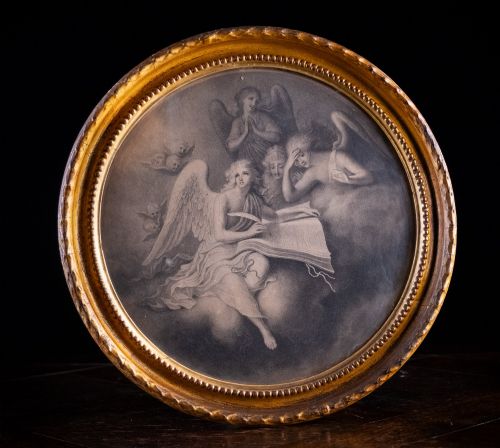
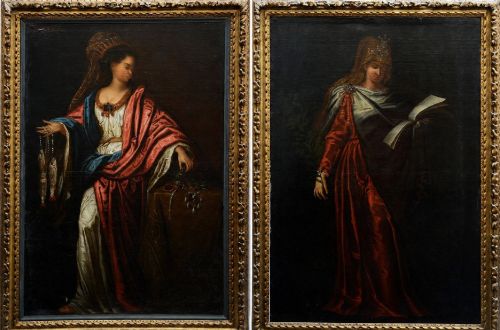
The objects on this page range from grand oil paintings on canvas and panel to intricate miniatures, reverse glass mezzotints, engravings, and needlework pictures in silk. You also find specialised forms such as Limoges enamel plaques and naively painted pine panels depicting specific figures like St Michael.
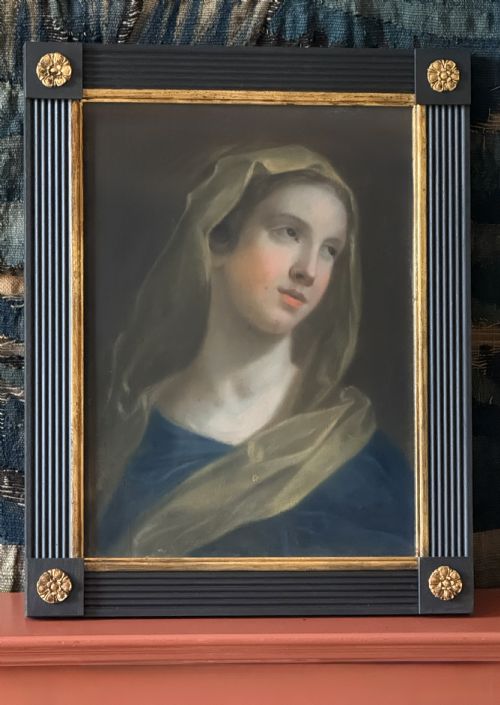
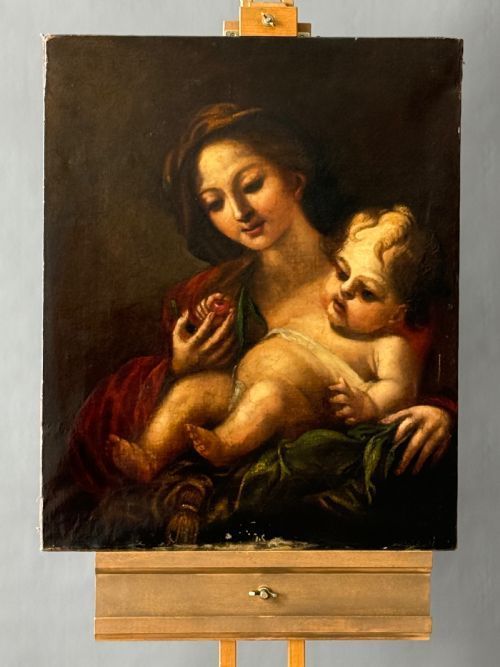
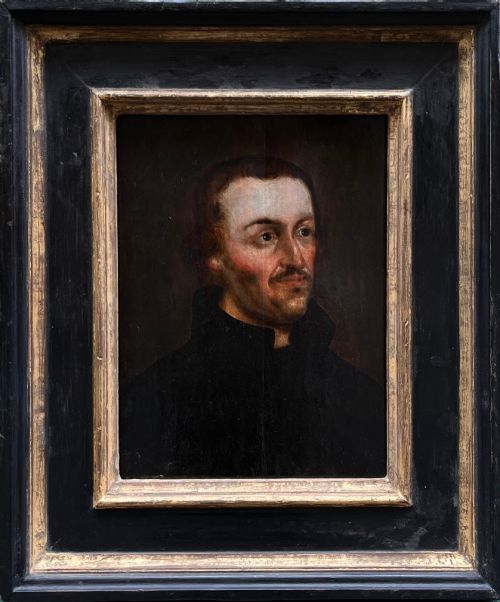
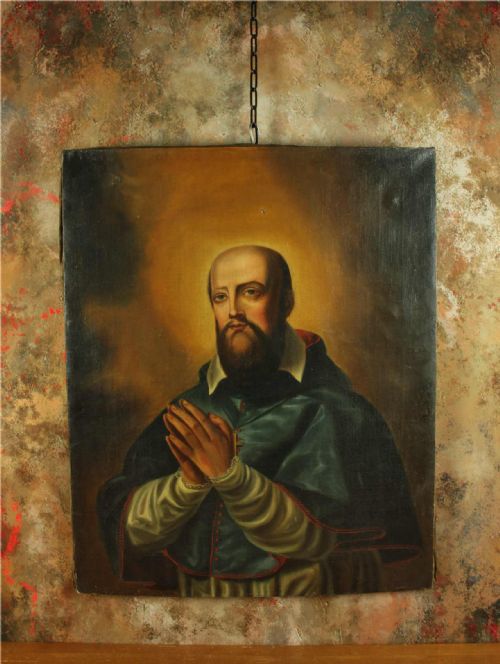
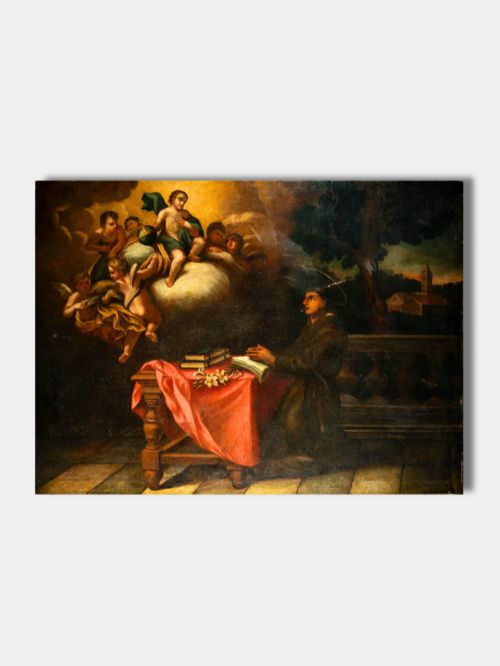
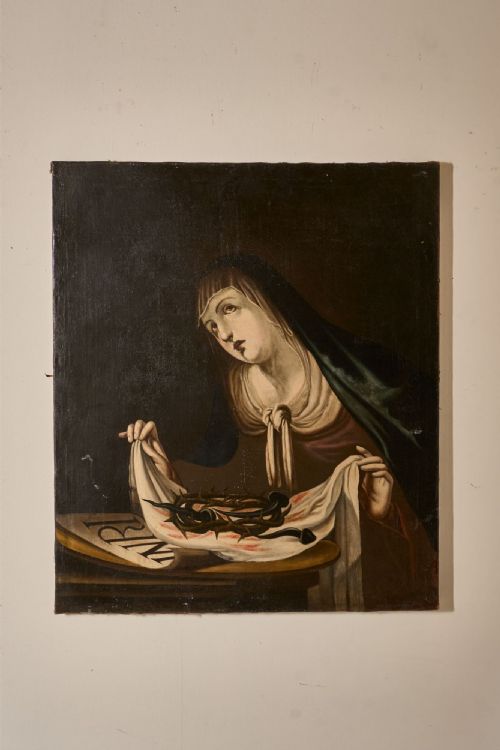
Italian, French, and Spanish schools dominate the offerings, often aligning with regional Baroque or Neoclassical aesthetics. Works span devotional portraits of saints and popes to larger narrative compositions depicting scenes like the Passion of Christ or the Madonna and Child.
How They Were Made
Makers utilised oil on canvas and wood panels as primary supports for traditional paintings, applying pigment with varying brushwork to achieve depth and luminosity. Artists also worked in pastel, engraving, and needlework with silk threads on fabric.
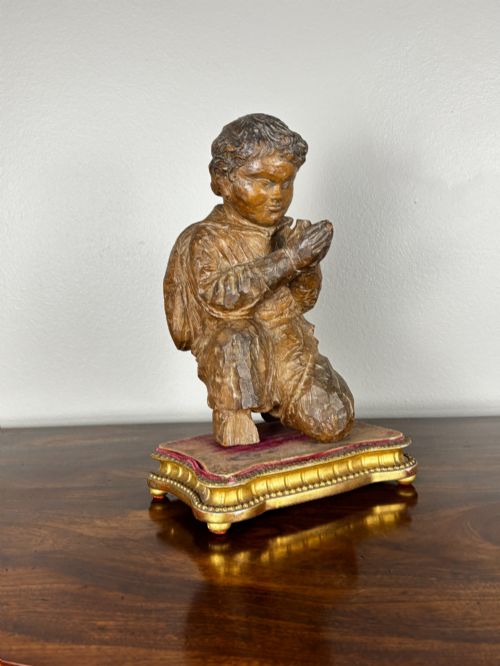
Specialised techniques such as reverse glass painting and Limoges enamel production demonstrate the diverse decorative applications of religious imagery. Frames frequently incorporated giltwood to complement the rich tones of the artwork.
18th Century Religious Artwork Retail Price Guide 2026
Typical asking prices for 18th century religious artwork among the pieces listed under this phrase on Sellingantiques today, from the lower quarter to the upper quarter. They describe what is for sale here now, not the wider market.
Folk art pine panels sit alongside sophisticated Italian Baroque oil paintings and delicate silk needlework pictures.
What Varies In Quality
The distinction between standard workshop output and master execution rests upon the fluidity of line, anatomical correctness, and the handling of light and shadow. Works by known masters or their immediate circles display a superior command of narrative tension and emotional expression.
Material preservation also defines the tier of a piece, with undisturbed original surfaces, stable pigments, and period frames commanding greater appreciation. Naive folk art variants differ significantly in technical execution from sophisticated academic interpretations while retaining distinct charm.
Benedetto Luti·Francesco Solimena·Juan Ruiz Soriano·Pompeo Batoni
The 18th Century Religious Artwork Glossary
- Baroque
- A stylistic period characterised by theatricality, dramatic contrast between light and dark, and emotional intensity. This style heavily influenced European religious imagery throughout the seventeenth and eighteenth centuries.
- Reverse Glass Painting
- An artistic technique where the image is painted directly onto the back of a piece of glass and viewed from the front. This method creates a luminous, polished surface finish.
- Old Master
- A term applied to European painters of skill working before about eighteen hundred. These artists often belonged to specific regional schools such as the Italian or French traditions.
- Ex-Voto
- A votive offering given to a saint or a divinity, often taking the form of a painted portrait or plaque. These items were typically commissioned in gratitude for a miraculous recovery or deliverance.
- Limoges Enamel
- Coloured vitreous enamel fused to a metal plate, originating from the French city of Limoges. These small plaques often depict detailed religious scenes with rich tonal depth.
18th Century Religious Artwork: Frequently Asked Questions
What subjects appear most often?
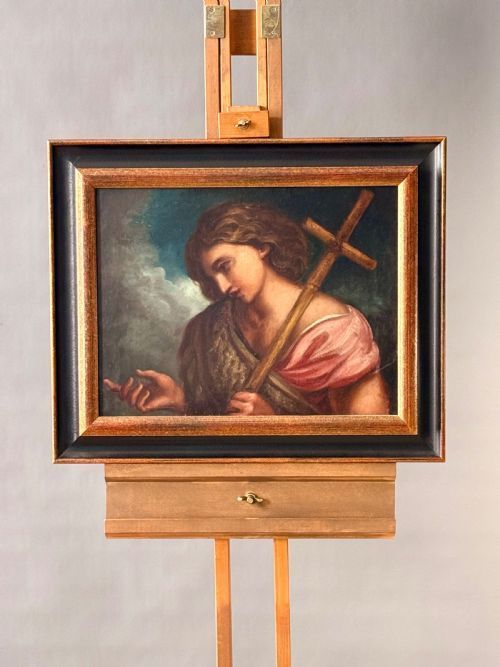
Depictions of the Madonna and Child, various saints including John the Baptist and Francis de Sales, and narrative scenes from the life of Christ form the majority of subjects. Portraits of popes and religious scholars also occur.
These pieces served as private devotional objects in homes or as elements within larger ecclesiastical settings across Europe during the Georgian era.
How do I care for antique paintings?
Keep religious artworks away from direct sunlight, excessive moisture, and rapid temperature fluctuations to protect the canvas, wood panel, or glass supports. Dust frames and surfaces gently with a soft, dry cloth.
Avoid using liquid cleaners or chemical solvents on painted surfaces or giltwood frames to preserve the original pigment and finish.
What is a reverse glass picture?
A reverse glass picture is created by painting directly onto the back of a glass sheet, meaning the artist applies fine details first and background layers last. When viewed from the front, the glass provides a glossy protective finish.
This technique produced vibrant devotional pieces that were popular for domestic display during the eighteenth century.
How do regional schools differ?
Italian schools often emphasise theatrical lighting and dramatic drapery rooted in Baroque traditions, while French works tend toward refined elegance and balanced composition. Spanish pieces frequently display intense emotional realism and deep shadows.
Recognising these stylistic tendencies helps identify the geographic origin and cultural context of anonymous works.