

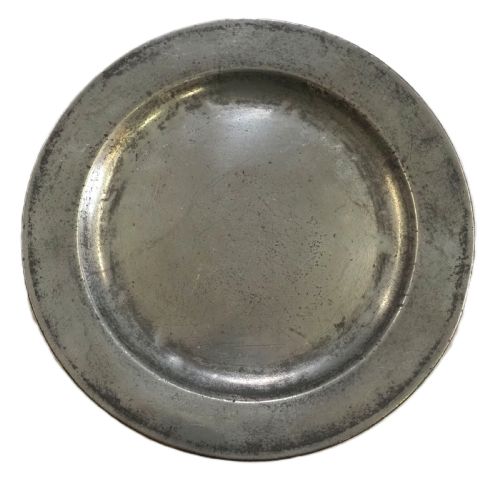


18th Century Pewter Platter
An 18th century pewter platter offers a heavy, tactile slice of domestic history that brings genuine warmth to a traditional dining table.
18th Century Pewter Platter
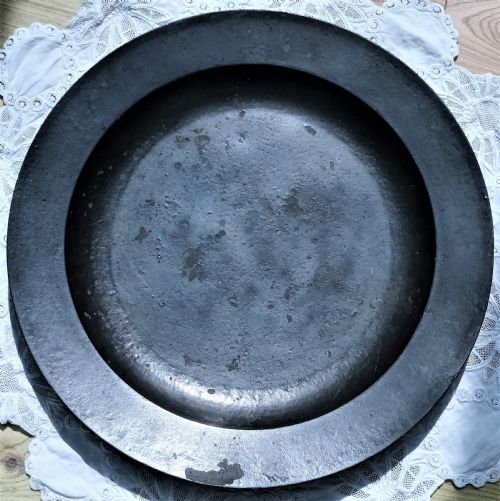
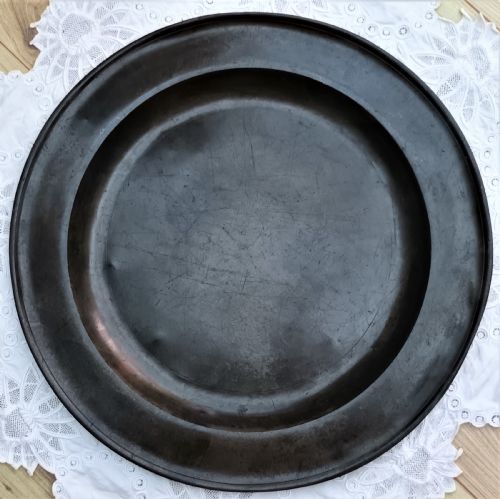
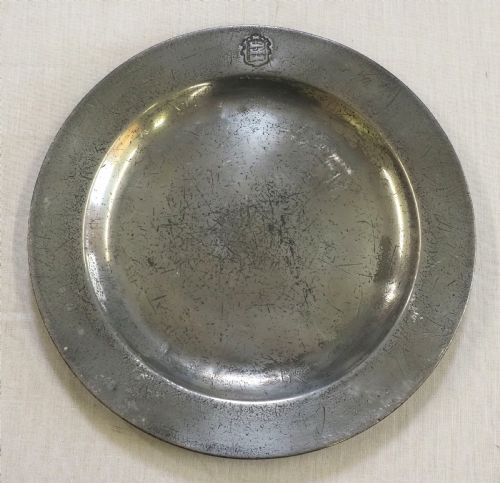
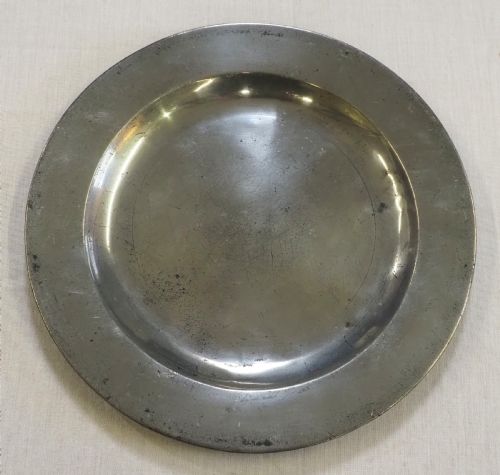
When you search for an 18th century pewter platter, you are looking at substantial serving vessels and dining plates that formed the backbone of Georgian households. These items range from modest plates and dishes to very large chargers spanning up to twenty-two inches across.
The pieces you are most likely to meet on this page belong firmly to the Georgian era, encompassing styles from the Queen Anne period down to the mid-eighteenth century. Makers inscribed their work with plain rims, multiple reeded edges, or specific regional coats of arms.
Materials and Construction
These items are fashioned entirely from pewter, a traditional alloy composed chiefly of tin combined with lead, copper, or antimony to achieve durability. Metalworkers shaped the material by casting it into moulds before hammering and turning the surface on a lathe to create smooth, balanced forms.
Details such as multiple reeded edges were cut directly into the rim during this finishing process, while touchmarks and maker stamps were impressed firmly into the soft metal using specialised steel punches.
18th Century Pewter Platter Retail Price Guide 2026
Typical asking prices for 18th century pewter platter among the pieces listed under this phrase on Sellingantiques today, from the lower quarter to the upper quarter. They describe what is for sale here now, not the wider market.
Assessing Quality and Craftsmanship
Quality in these domestic objects rests upon the crispness of the original casting and the weight of the metal itself. Superior examples retain substantial thickness in the rim and base, resisting the warping that often affects softer alloy vessels over centuries of daily use.
The presence of clear maker touchmarks, heraldic crests, or regional attribution elevates a piece significantly. Finer platters demonstrate disciplined lathe work on reeded borders and balanced proportions that speak to the skill of the founding workshop.
John Duncomb·William Wright·Samuel Smith·Richard King·Wood And Michell·Humphrey Evans II·Thomas Alderson·Edward Leapidge I·John Barlow·S Duncomb
The 18th Century Pewter Platter Glossary
- Charger
- A very large large dish or platter, typically measuring sixteen inches or more in diameter, originally used for serving joint meats at grand tables.
- Reeded
- Decorated with parallel raised rings or mouldings around the rim, adding textural detail to an otherwise plain metal surface.
- Touchmark
- A distinct stamp or hallmark impressed into pewter by the maker or workshop as a guarantee of quality and origin.
- Plain Rim
- A simple, flat or slightly sloping border lacking decorative mouldings or multi-reeded concentric lines.
- Queen Anne
- A transitional English style spanning the late seventeenth and early eighteenth centuries, characterised by restrained elegance and flowing curves.
18th Century Pewter Platter: Frequently Asked Questions
How do I clean an old pewter platter?
Wash the metal gently with warm soapy water and dry it immediately with a soft cloth to preserve the dark, natural oxidation.
Avoid harsh modern metal polishes and abrasive pads, which strip away the historic surface character accumulated over centuries.
Can I use these platters for serving food?
Historic pewter often contains lead content that makes regular contact with acidic foods inadvisable by modern standards.
Most collectors prefer to use these pieces strictly for decorative display or dry presentation rather than everyday dining.
What is the difference between a plate and a charger?
Plates are smaller domestic vessels intended for individual dining use at the table during meals.
Chargers are substantially larger platters designed to sit beneath smaller dishes or serve heavy joints of meat at the centre of a feast.
How can I tell the age of a pewter piece?
Dating relies primarily on the style of the rim, the thickness of the metal, and any stamped touchmarks that identify the active working dates of the maker.
Comparative study of recorded touchmarks in trade registers helps narrow down the decade of production.