
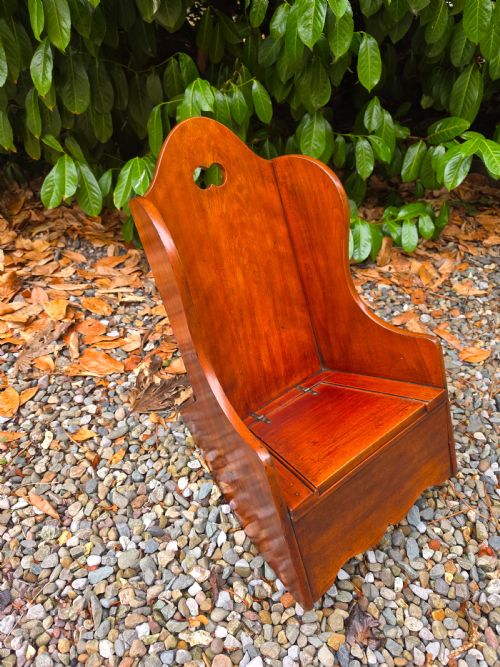


18th Century Nursery Furniture
These 18th century nursery furniture pieces offer a genuine glimpse into historical domestic life, bringing authentic craftsmanship and character directly into modern homes.
18th Century Nursery Furniture
When you search for 18th century nursery furniture, you encounter pieces designed specifically for the care and seating of children during the Georgian era. These items encompass practical household objects such as high chairs, cradles, potty rockers, and small armchairs intended for everyday domestic use.
Materials and construction methods
Maker construction relies on traditional timber framing, utilising solid woods such as oak, mahogany, yew, walnut, and fruitwood. Carpenters shaped these dense materials using spindle-back techniques, Windsor framing methods, and sturdy joinery designed to withstand active use by children.
Surface details often include auxiliary elements like brass fastenings and fitted textile elements such as tapestry and fabric upholstery. Pine and rustic country timbers appear alongside finer cabinet woods, showing a clear division between utilitarian farmhouse items and polished parlor pieces.
Listings feature pieces spanning the Georgian period, utilising traditional timbers including mahogany, oak, yew, pine, and fruitwood alongside brass and tapestry.
Evaluating standard and distinction
Quality separates ordinary utilitarian items from superior cabinetwork through the choice of timber and the refinement of the turned spindles. Yew wood and figured mahogany command greater attention than standard pine or basic oak due to their richer grain and more demanding treatment.
The presence of integrated stands, original rocking mechanisms, or sophisticated Windsor construction elevates a piece beyond standard provincial joinery. Survival of original surfaces and honest patination carry more weight than overly restored finishes.
The 18th Century Nursery Furniture Glossary
- Windsor chair
- A chair built with a solid wooden seat into which the legs and back spindles are direct-tenoned. This method provides robust structural integrity for children's seating.
- Potty rocker
- A low rocking chair fitted with a concealed aperture for chamber pot use. These dual-purpose items served domestic nurseries during the Georgian period.
- Spindle back
- A chair back constructed from a series of slender turned wooden rods fitted between a top rail and seat. It offers lightweight strength without excessive timber bulk.
- Fruitwood
- A generic term for timber sourced from fruit-bearing trees such as pear or apple. Cabinetmakers utilised these dense woods for regional turned furniture.
18th Century Nursery Furniture: Frequently Asked Questions
How were these child chairs used?
High chairs and chairs on stands elevated infants to table height for meals, keeping them secure during family gatherings. Rockers and cradles soothed infants to sleep.
Potty rockers combined seating with sanitation, fulfilling practical daily needs in busy Georgian households where nursery spaces doubled as living quarters.
How do I care for antique timber?
Keep wooden pieces away from direct heat sources and rapid humidity shifts to prevent timber splitting. Regular gentle dusting preserves the natural wax finish.
Avoid modern liquid polishes that build up residue and dull the historic patination accumulated over centuries of domestic service.
Can I use these items daily?
Most surviving children's seating from this era is structurally stable due to robust original joinery. However, due to their historical value and lower seat heights, they serve best as decorative focal points.
Occasional careful use is possible, but collectors typically treat them as display pieces rather than nursery furniture for modern infants.