








18th Century Medical
These 18th century medical pieces offer a tangible link to the history of healing, spanning apothecary jars, anatomical engravings, and instruments.
18th Century Medical
When you search for 18th century medical, you encounter a specialised selection of artefacts connected to historical healing, pharmacy, and anatomy. The pieces on this page range from storage vessels for medicines to framed illustrations of the human skeletal and muscular systems.
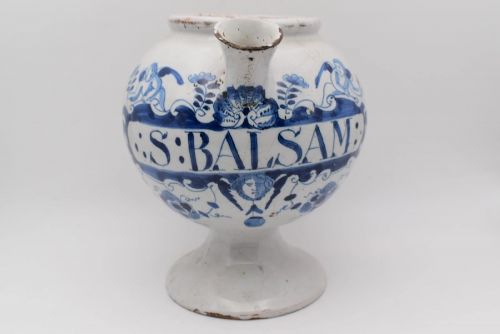
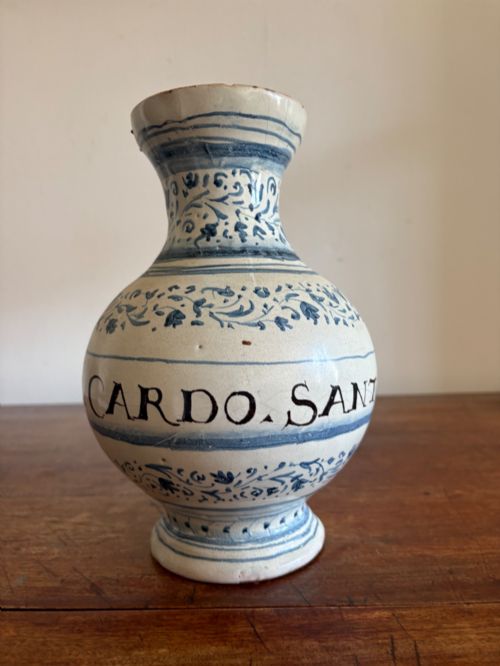
Apothecary jars and albarellos form a substantial part of these listings, often rendered in tin-glazed earthenware, delftware, or Italian majolica. These ceramic containers usually feature painted labels or decorative motifs, reflecting their original purpose in drug dispensaries.
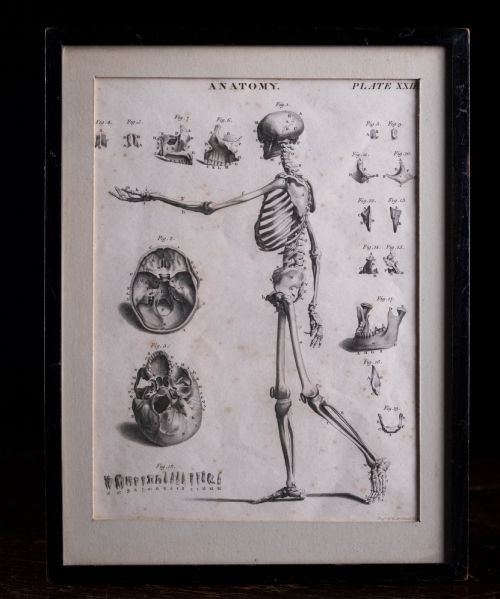
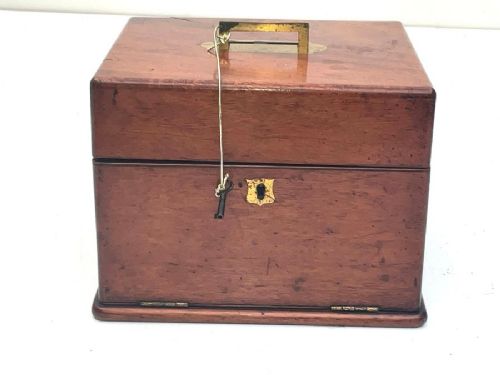
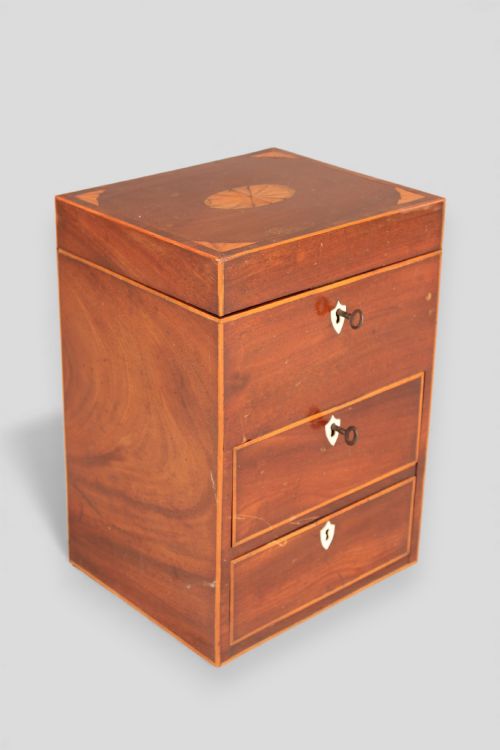
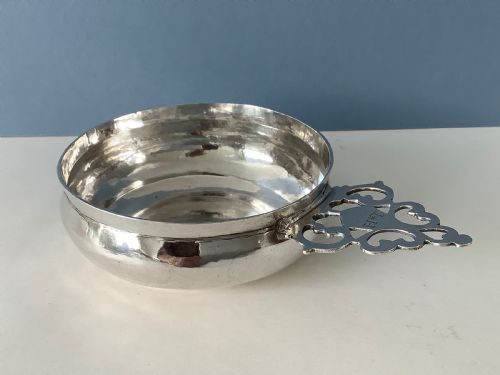
Alongside ceramic storage, the category includes George III mahogany apothecary boxes fitted with contents, alongside silver pap boats and tongue depressors. Graphic works are also prominent, featuring framed engravings of anatomical figures by historical draughtsmen.
Materials and construction
Ceramic vessels in this field rely on earthenware bodies finished with tin glazes or majolica techniques, providing an opaque white surface suitable for painted inscriptions and decorative flourishes. These containers were shaped by hand or on a wheel before being fired and glazed.
Paper works are represented by copperplate engravings executed on paper sheets, subsequently framed for display. These prints capture detailed anatomical studies through precise ink line work.
18th Century Medical Retail Price Guide 2026
Typical asking prices for 18th century medical among the pieces listed under this phrase on Sellingantiques today, from the lower quarter to the upper quarter. They describe what is for sale here now, not the wider market.
The category includes French and Italian pieces alongside English works, demonstrating diverse European approaches to medical art and apothecary storage.
Evaluating quality and execution
The distinction between items often rests upon the fidelity and preservation of painted details on ceramic drug jars or the crispness of line in anatomical engravings. Artisanal skill is evident in the confident brushwork of majolica and delftware drug inscriptions.
Completeness dictates value in fitted boxes, where retention of original interior contents and fitted compartments elevates the piece. Material quality, such as the weight of silver in pap boats and bleeding bowls, also separates standard items from finer examples.
Andrew Bell·Bernhard Siegfried·Jan Wandelaar
The 18th Century Medical Glossary
- Albarello
- A type of majolica earthenware jar used by apothecaries to store ointments and dry drugs. These vessels typically feature an hourglass silhouette to allow easy gripping on crowded shelves.
- Pap boat
- A small, shallow silver or ceramic vessel with a lip, used historically for feeding pap or liquid nourishment to infants or invalids. Their domestic medical utility dates them closely to Georgian dining and nursery habits.
- Tin-glazed earthenware
- Pottery covered with a lead glaze made opaque by the addition of tin oxide. This technique provides the white ground characteristic of delftware and majolica pharmacy jars.
- Engraving
- A printmaking technique where an image is incised into a copper plate using a burin. This method allowed medical illustrators to reproduce detailed anatomical figures for scientific study.
18th Century Medical: Frequently Asked Questions
How do I display anatomical engravings?
Anatomical engravings look best hung in studies, libraries, or hallways where their fine detail can be examined closely. Framing them behind glass protects the historic paper from environmental damage.
Keep them away from direct sunlight to prevent the paper from yellowing and the ink from fading over time.
What is an apothecary box?
An apothecary box is a portable wooden cabinet, often made of mahogany, fitted with internal compartments and small glass bottles. Doctors and households used them to transport medicines.
These boxes frequently retain period scales, mortars, and stoppered vials within their secure fitted interiors.
Are these medical items authentic?
Authenticity in these pieces is indicated by period manufacturing techniques, such as hand-thrown ceramic bodies and genuine copperplate ink impressions. Materials match historical standards from the seventeenth and eighteenth centuries.
Examination of the glaze, wood ageing, and paper characteristics helps confirm the period of origin.