



18th Century Lacquered Cabinet
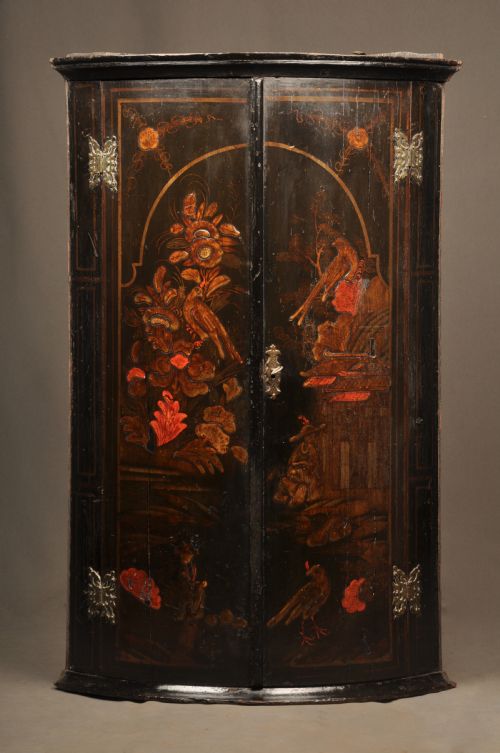
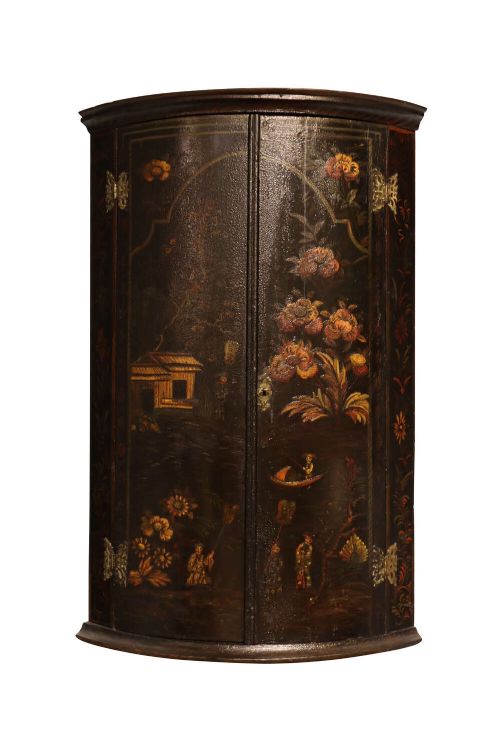
An 18th century lacquered cabinet brings dramatic Chinoiserie ornament and deep historical craftsmanship directly into a room.
18th Century Lacquered Cabinet
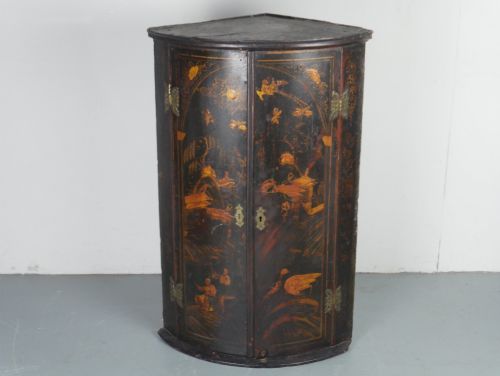
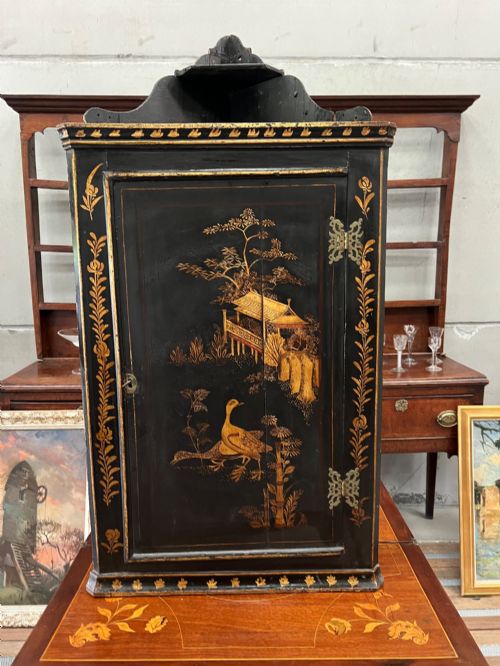
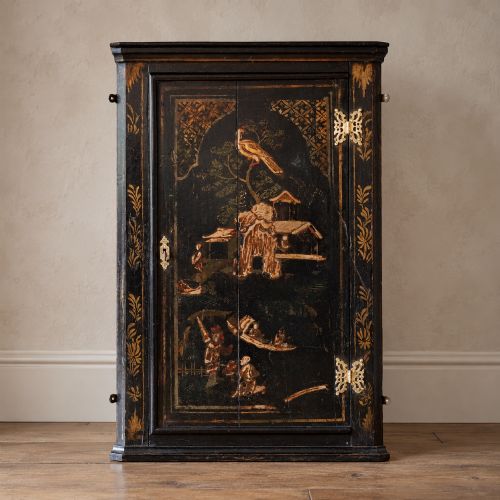
An 18th century lacquered cabinet encompasses corner cupboards, bureaux, chests on stands, and table cabinets rooted in the 18th century and Georgian periods. These pieces range from towering bureau bookcases to compact corner units designed to fit domestic spaces.
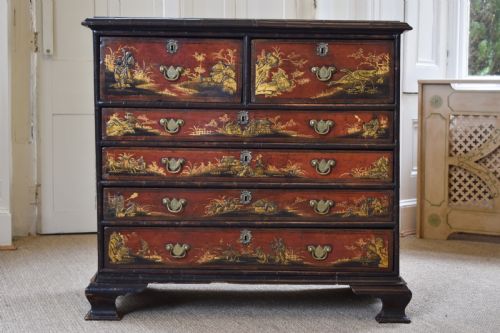
The aesthetic leans heavily into Chinoiserie and Japanned schemes, though later Edwardian interpretations and 1860s revivals also appear. Buyers encounter both British iterations and examples originating from regions such as Shanxi and Fujian provinces.
Forms vary from grand cabinet on stand configurations to portable travelling bureaux on tables. Each type utilises lacquered wood surfaces to display intricate painted scenes.
How they were made
Makers constructed the carcases using primary timbers alongside secondary woods such as pine. Surfaces received layers of lacquer and paint, often enhanced with gold leaf and gilt detailing.
Decoration relied heavily on Chinoiserie motifs applied through meticulous painting techniques. Brass hardware, including hinges and escutcheons, provided functional contrast to the dark or red lacquered finishes.
18th Century Lacquered Cabinet Retail Price Guide 2026
Typical asking prices for 18th century lacquered cabinet among the pieces listed under this phrase on Sellingantiques today, from the lower quarter to the upper quarter. They describe what is for sale here now, not the wider market.
Materials recorded across the selection include lacquered wood, pine, brass, paint, and gold leaf.
What varies in quality
The refinement of the painted Chinoiserie ornament separates standard examples from superior works. Finer pieces demonstrate intricate detail in the figures, landscapes, and gold leaf application across the lacquer.
Structural integrity of the stands, whether on a cabinet on stand, chest on stand, or table cabinet, dictates the architectural merit. The integration of period brass mounts and the depth of the lacquered wood finish further influence the standing of the piece.
The 18th Century Lacquered Cabinet Glossary
- Chinoiserie
- European decorative style reflecting Chinese artistic influences, prominently featuring figures, pavilions, and landscapes in paint and gold leaf.
- Japanned
- European imitation of East Asian lacquerwork, created through layered varnishes and metallic dust.
- Cabinet on stand
- A cabinet designed to sit upon a matching or associated support structure, elevating the main storage compartment.
- Bureau bookcase
- A dual-purpose piece combining a sloping desk front for writing with upper shelving enclosed by doors.
- Escutcheon
- A protective plate surrounding a keyhole, frequently fashioned from brass on these pieces.
18th Century Lacquered Cabinet: Frequently Asked Questions
How do I care for an antique lacquer cabinet?
Keep the piece away from direct sunlight and steady temperature shifts to protect the delicate lacquer surface and gold leaf detailing. Dust gently with a dry, soft cloth without applying modern chemical polishes.
Maintain a stable indoor climate to prevent the wood beneath from expanding or contracting. This preserves both the structural joinery and the painted decoration.
Where were these cabinets placed originally?
Corner cupboards and corner cabinets utilised awkward room angles efficiently in period interiors. Larger bureau bookcases and cabinets on stand served as focal points in reception rooms.
Smaller examples, such as travelling bureaux and table cabinets, functioned as portable writing desks or specialised storage for valuables.
What is the difference between Chinoiserie and Japanning?
Chinoiserie is the broader European interpretation of Chinese aesthetic themes, visible across furniture and decorative arts. Japanning specifically denotes the European technique mimicking Japanese lacquer work through layered varnishes.
Both styles frequently overlap on 18th century surfaces, combining raised painted motifs with gilt highlights.