




18th Century Italian Frames
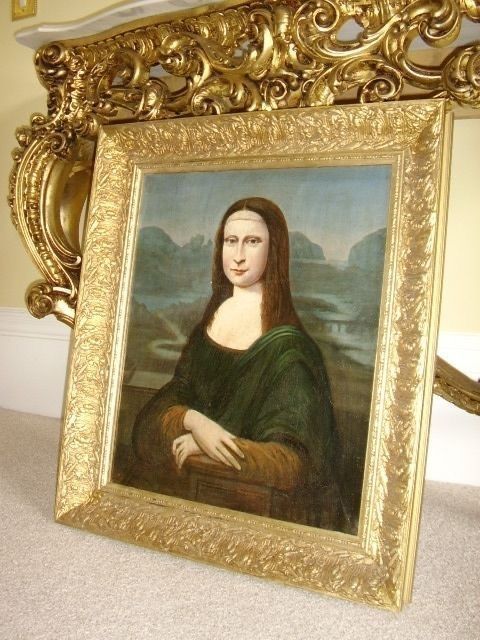
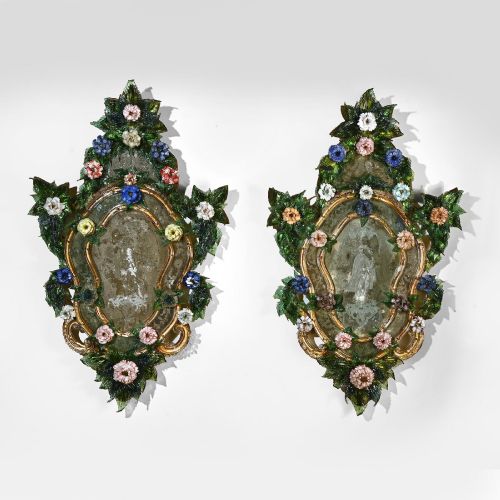
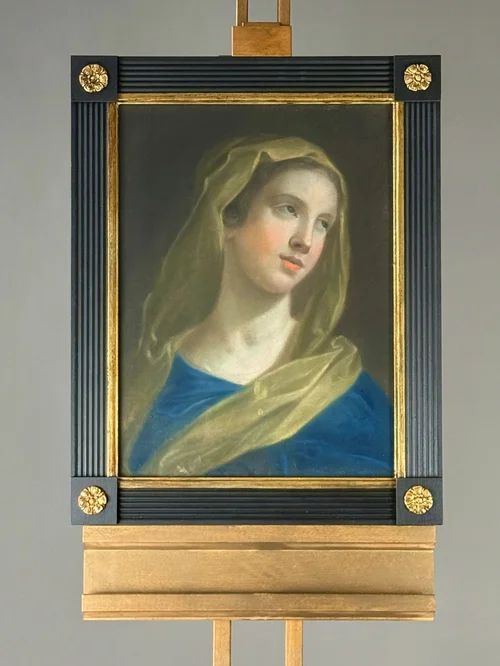
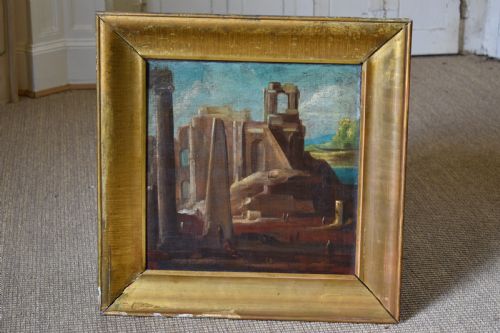
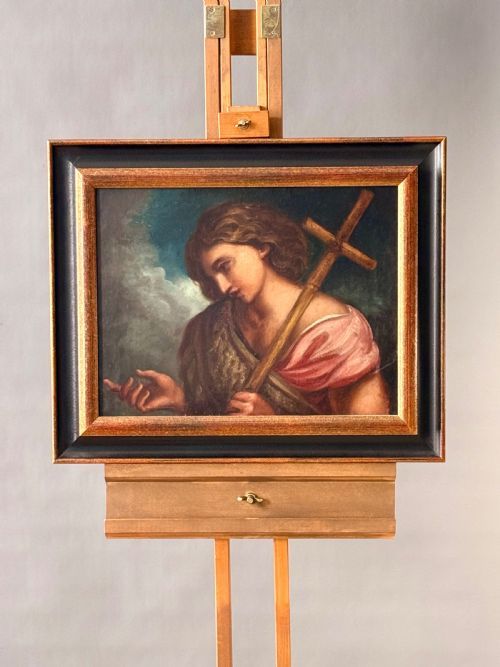
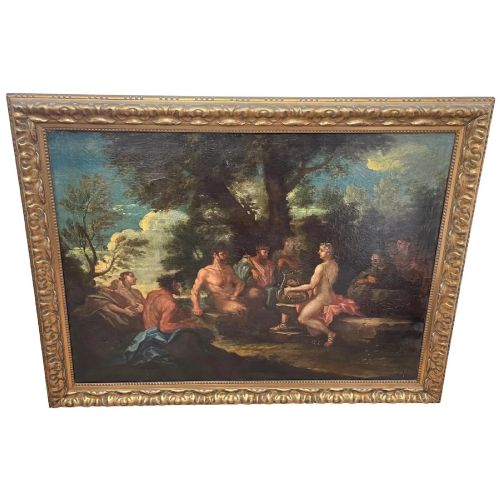
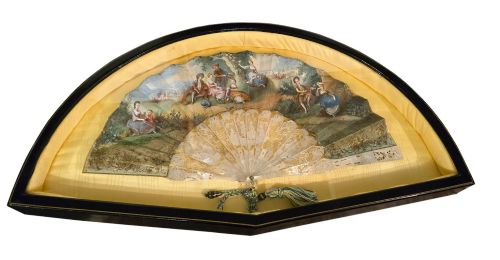
These 18th century italian frames house period oil paintings, mirrors and works on paper crafted across historic workshops.
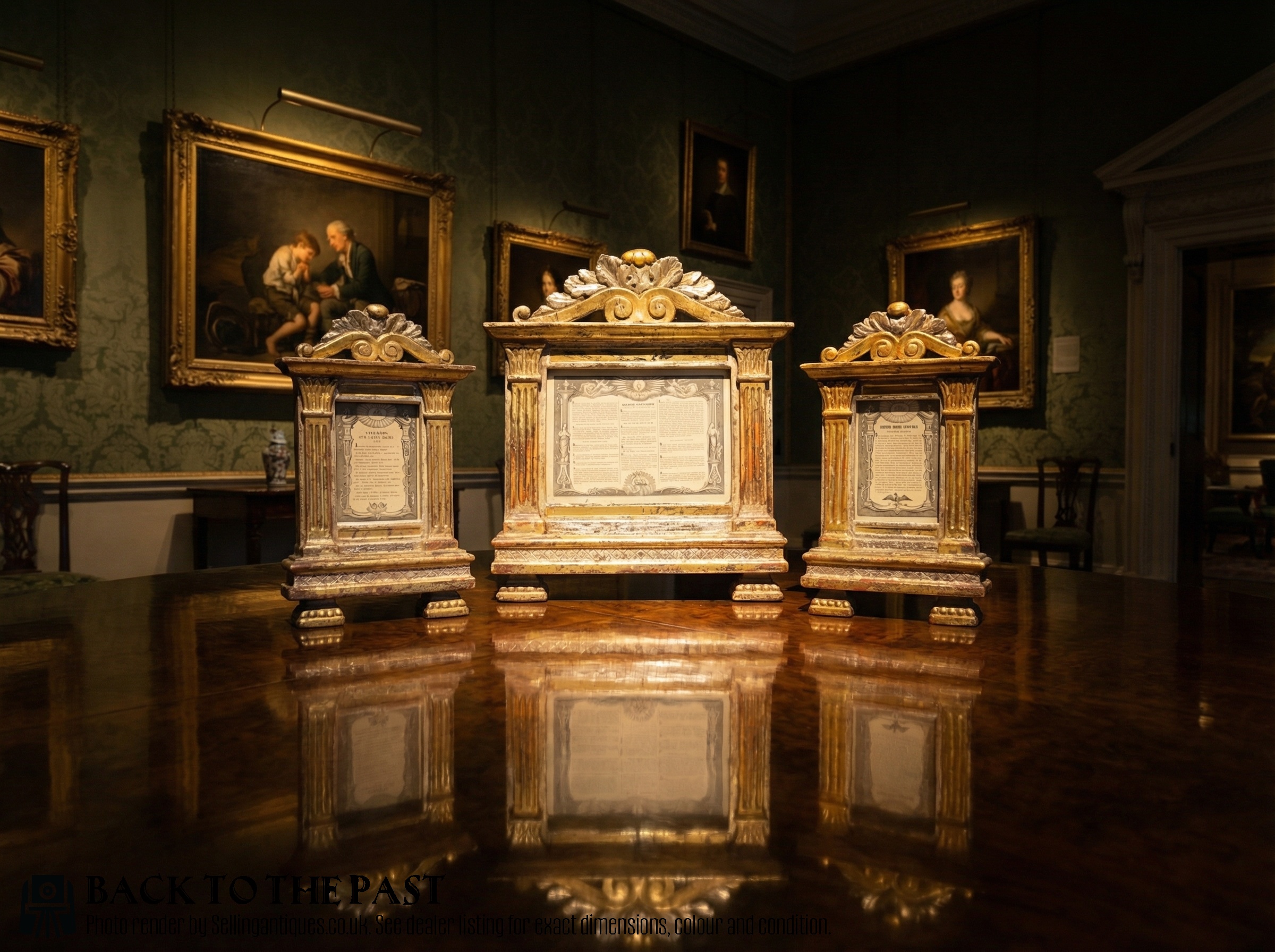
18th Century Italian Frames
When you search for 18th century italian frames, you encounter surrounds designed for oil paintings, wall mirrors and religious cartagloria altarpieces. These pieces originate from regional schools and workshops across Italy, spanning periods from the Baroque through to Neoclassical eras.
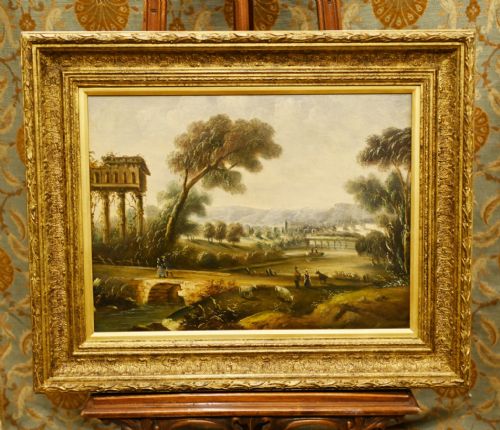
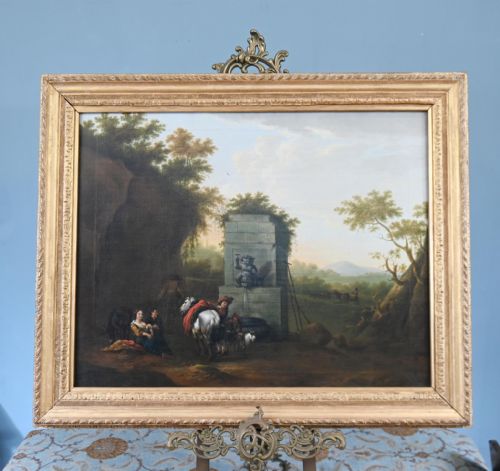
You are most likely to meet carved wooden surrounds accompanying old master canvases, religious subjects and Venetian glass mirrors. The selection encompasses architectural cassetta profiles alongside ornate Rococo wall mirrors bearing original gilding.
The form of 18th century italian frames reflects the artistic output of the peninsula, balancing structural timber with decorative plasterwork. Buyers seek them to house period artworks or to display them as decorative wall objects in their own right.
Materials and Construction
Makers constructed these surrounds using timber carcasses carved from woods such as walnut or softer substrates prepared for finishing. Artisans applied layers of gesso to the carved wooden base to build up smooth surfaces and intricate relief ornament.
Gilding involved laying gold leaf over the prepared gesso ground, often burnished to catch the light across Baroque and Rococo scrollwork. Some examples utilise ebonised finishes or simpler wooden mouldings depending on the regional tradition and intended function.
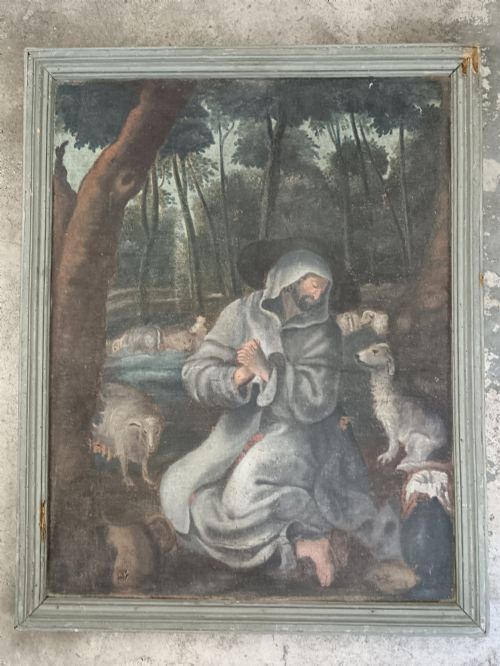
St Francis sometimes shares wall space with cavalry skirmishes and map cartography.
Assessing Quality and Execution
The distinction between ordinary and exceptional 18th century italian frames lies in the depth and sharpness of the hand-carved ornament. Superior examples exhibit crisply rendered acanthus leaves, scrolls and moulding profiles executed by skilled hands.
The integrity of the original gilded surface dictates much of the visual impact. Surviving gold leaf and gesso layers that retain their original texture and tone separate superior survivals from pieces with heavy modern restoration.
Benedetto Luti·Francesco Solimena·Giovanni Paolo Panini·Pio Panfili·Pompeo Batoni
The 18th Century Italian Frames Glossary
- Gesso
- A plaster mix applied to wood as a base for gilding. It provides a smooth ground for carving and leaf application.
- Giltwood
- Timber coated with gold leaf or gold paint. This finish defines the reflective surface of many decorative antique frames.
- Cartagloria
- An altar card or frame displayed on Catholic altars. These pieces often feature ornate carved wood and gilt decoration.
- Cartography
- The study and practice of making maps. Such pieces appear framed within period Italian paper and map listings.
18th Century Italian Frames: Frequently Asked Questions
How do I date an antique frame?
Dating relies on examining the wood species, the preparation layers of gesso, and the style of the carved ornament. Baroque and Rococo motifs correspond to specific design periods.
Tool marks left by hand chisels also help distinguish eighteenth-century production from later copies.
Were these frames made for mirrors?
Many grand frames housed Venetian glass mirrors or religious reliquary plates rather than paintings. Mirrored surrounds often incorporated engraved glass plates and coats of arms.
These reflective pieces served functional and decorative roles in historic Italian interiors.
Can I hang a painting in a different frame?
Pairing a canvas with a period surround requires matching the rebate depth and canvas dimensions carefully. Historical pairings occurred organically, but collectors frequently reunite paintings with contemporary frames.
Ensuring structural support remains paramount when mounting artworks into antique timber housings.