






18th Century Imari
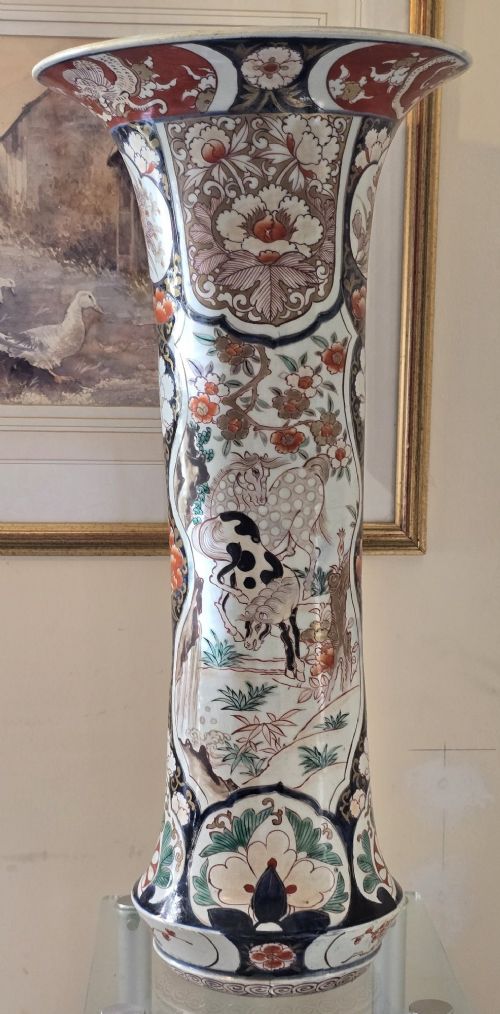
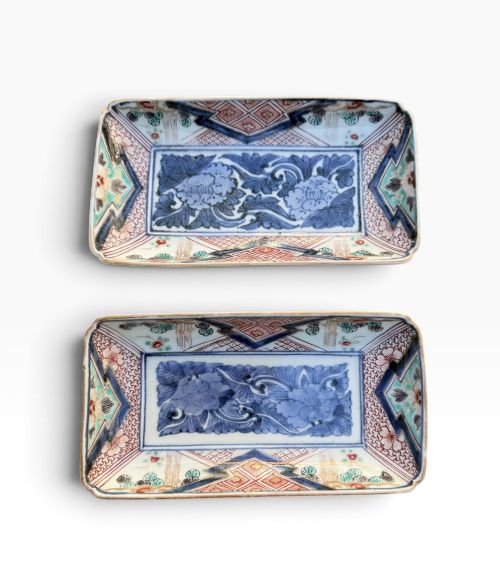
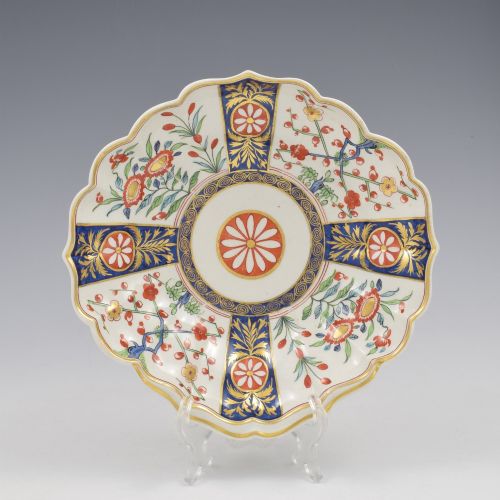
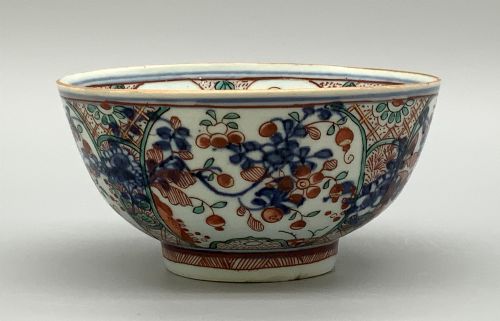
These 18th century imari pieces bring vibrant palettes of iron red, cobalt blue and gold leaf into rooms through decorative bowls, plates and vases.
18th Century Imari
When you search for 18th century imari, you encounter ceramics created across the Edo period in Japan and the Qing dynasty in China. The Japanese examples originate predominantly from Arita, showcasing distinctive blue, white, and iron-red designs.
The inventory on this page consists largely of decorative bowls, plates, vases, and jardinieres alongside tea canisters and mugs. Many pieces date from around seventeen hundred up to the late eighteenth century, reflecting both Japanese Genroku production and Chinese export wares.
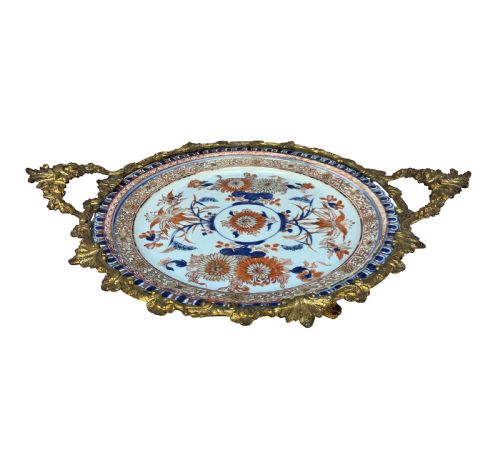
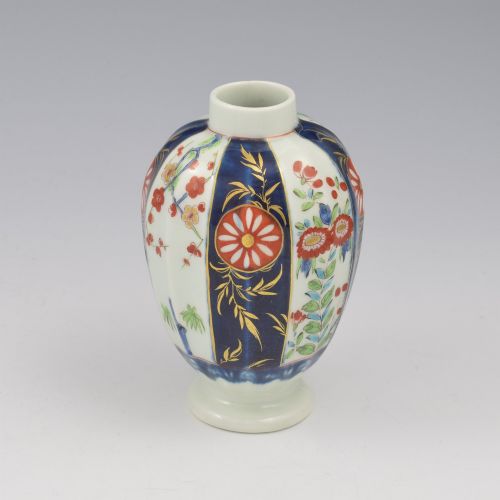
Buyers also meet European adaptations, including English porcelain from factories like Derby and Worcester, plus French or domestic mountings in ormolu and brass. These objects served utilitarian dining purposes or stood as decorative garnitures in period interiors.
How they were made
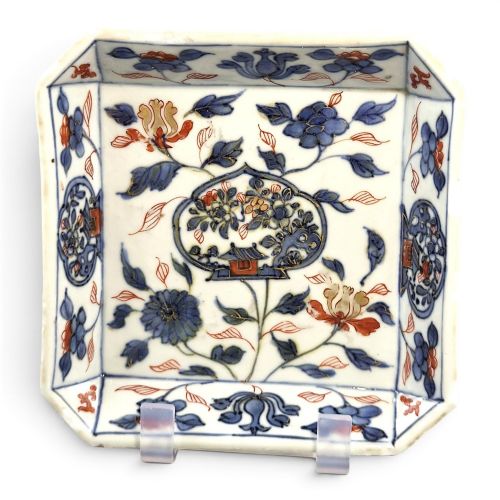
The core material across these listings is porcelain, often finished with a clear glaze and enriched with gold leaf or enamel details. Potters shaped bowls and plates either by hand or using moulds, sometimes creating shallow relief crane shapes or chamfered square profiles.
Firing took place in high-temperature kilns to set the cobalt blue underglaze, followed by subsequent firings for the iron red and gilt overglaze decorations. European porcelain makers later imitated these Japanese and Chinese export aesthetics using soft-paste porcelain.
18th Century Imari Retail Price Guide 2026
Typical asking prices for 18th century imari among the pieces listed under this phrase on Sellingantiques today, from the lower quarter to the upper quarter. They describe what is for sale here now, not the wider market.
A specialised shaving bowl proves that even 18th-century gentlemen required their morning grooming routines to feature vibrant Japanese-inspired artistry.
What varies in quality
The strength and clarity of the cobalt blue underglaze combined with the crisp application of iron red and gold leaf determine visual impact. Finer examples display meticulous brushwork within scrolling foliate borders and balanced composition across the surface.
The integration of metalwork, such as ormolu mounts fitted to porcelain plates or bowls, elevates the status of certain objects. Additionally, the preservation of the overglaze enamels through centuries of handling separates well-kept decorative pieces from heavily worn specimens.
The 18th Century Imari Glossary
- Imari palette
- A decorative style utilising a characteristic combination of cobalt blue underglaze, iron red overglaze, and gold leaf highlights. This aesthetic originated in Japanese kilns and was later adopted by Chinese and European potteries.
- Arita
- The Japanese town and surrounding district in Hizen province where regional porcelain production flourished. Arita kilns supplied the bulk of exported Imari wares during the Edo period.
- Edo Period
- The period in Japanese history spanning from sixteen hundred and three to eighteen hundred and sixty-seven. Many Imari pieces date specifically to the Genroku sub-period within this era.
- Garniture
- A set of matching vases or pots designed to be displayed together on a mantelpiece or cabinet. These arrangements typically comprise three or more matching vessels.
- Ormolu
- Finely chased and gilt-bronze furnishings applied as mounts to ceramic objects. French rococo styles frequently incorporated these decorative metal additions.
18th Century Imari: Frequently Asked Questions
How do I identify genuine 18th century imari?
Examine the underglaze cobalt blue and the iron-red enamel details for hand-painted brushwork rather than printed transfers. Look at the characteristics of the porcelain body and any wear consistent with age.
Check for period-specific forms such as Arita chargers, Kangxi export bowls, or early Derby porcelain copies. The combination of materials like gold leaf, glaze, and soft-paste porcelain also helps establish the correct timeframe.
Were these pieces used daily?
Many items including plates, bowls, shaving bowls, and sake ewers were produced for practical dining and grooming purposes. Over time, surviving examples transitioned into purely decorative displays.
Larger vessels like jardinieres and lidded vases functioned as interior ornaments in stately homes and merchant residences. Their robust porcelain construction allowed them to endure centuries of domestic use.
How should I display porcelain vases and bowls?
Place vases and jardinieres on sturdy surfaces where their polychrome decoration and gold leaf highlights catch natural light. Ensure heavy pieces are secure from accidental bumps.
Avoid placing delicate soft-paste porcelain or ormolu-mounted items in direct, intense sunlight to protect the enamel colours. Grouping garnitures together on tables or shelves recreates historical interior arrangements.