


18th Century Hearth
When you want an 18th century hearth, you are looking for practical metalware and functional furniture built to manage coal, wood, and ash.
18th Century Hearth
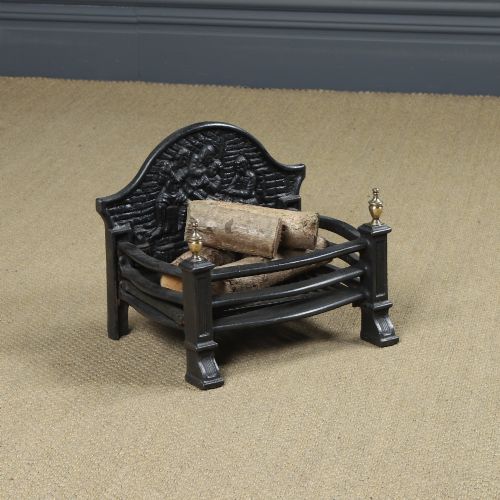
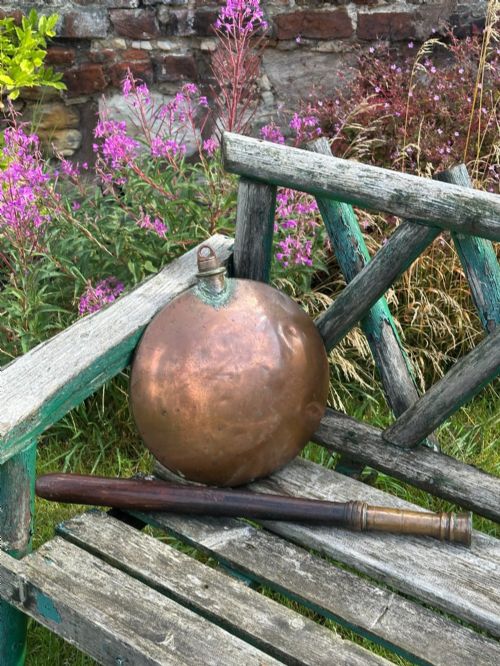
An 18th century hearth encompasses the iron grates, brass fenders, copper kettles, and leather buckets that gathered around the domestic fireplace. These pieces represent the central source of heat and cooking in period rooms, surviving in forms designed for heavy daily use.
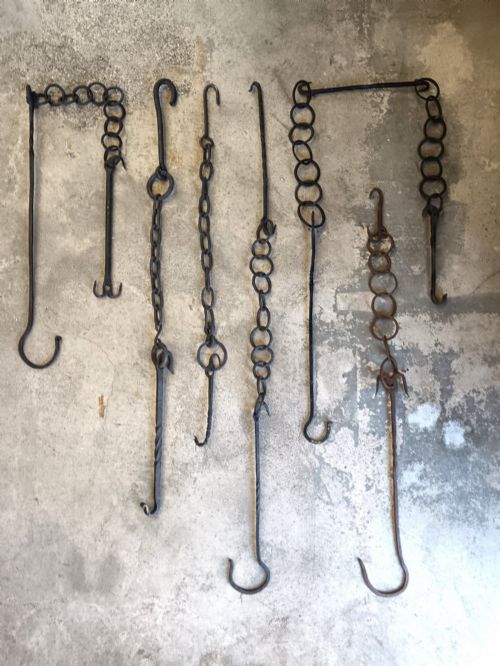
You will most frequently meet Georgian iron fire tools, brass footmen, and wrought iron chimney trammels on this page. These functional domestic items demonstrate the straightforward engineering of the period.
The objects range from utilitarian wrought iron chimney jacks and hand-forged trammel hooks to polished mahogany fire cats and copper hearth plates. Each piece performed a specific mechanical task inside the chimney or across the floorboards.
Materials and Construction
Blacksmiths and metalworkers shaped wrought iron and cast iron using hand-forging techniques to produce durable grates, skewer sets, and trammels that could withstand intense coal and wood fires.
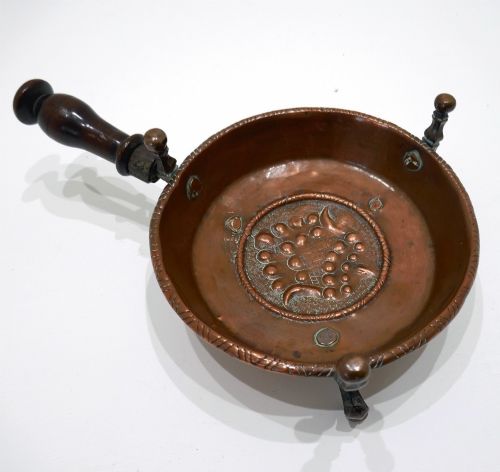
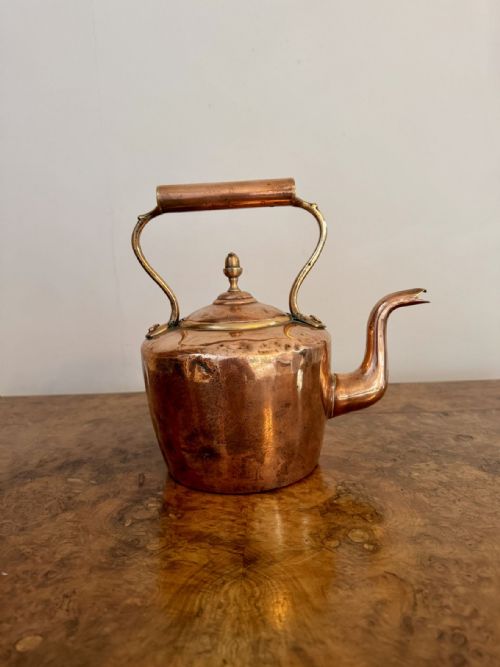
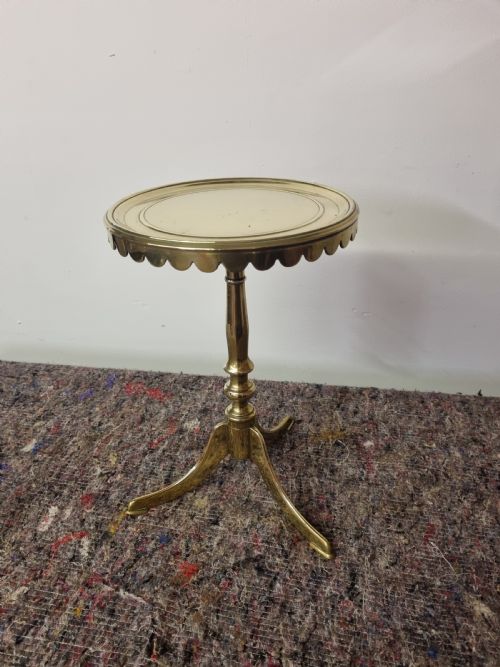
Foundries cast brass and copper into polished fenders, kettles, footmen, and trivets, often adding engraved details or scalloped edges to display near the flames.
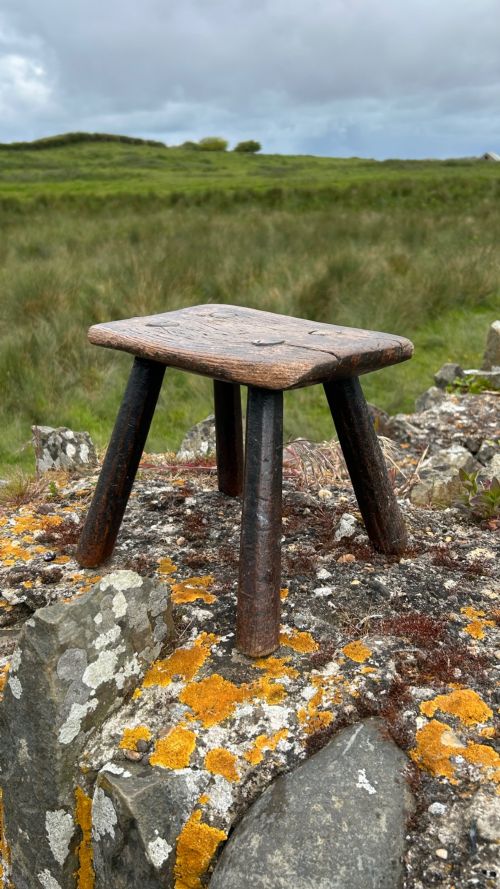
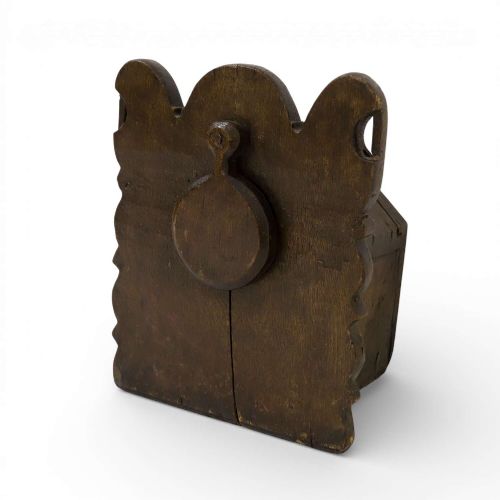
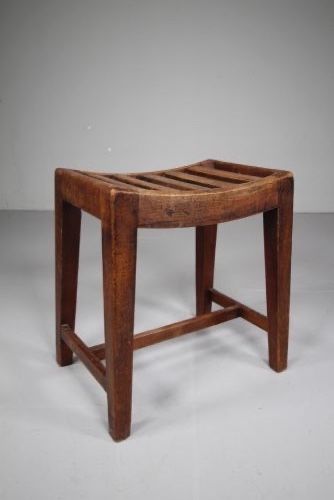
Cabinetmakers utilised oak and mahogany to construct solid stools, rotating fire cats, and salt boxes, frequently pairing the dense timber with original iron hardware, leather, and copper studs.
18th Century Hearth Retail Price Guide 2026
Typical asking prices for 18th century hearth among the pieces listed under this phrase on Sellingantiques today, from the lower quarter to the upper quarter. They describe what is for sale here now, not the wider market.
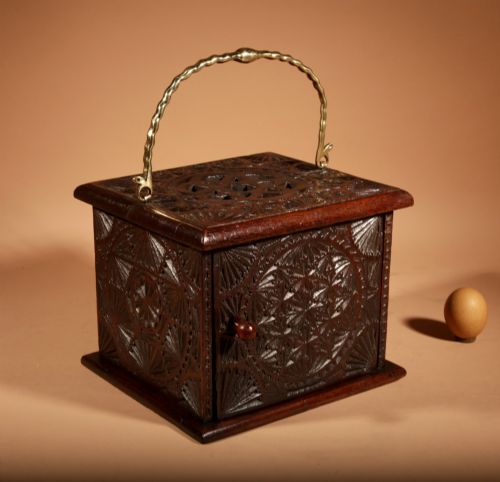
An oak foot stove warms toes.
Quality Variations
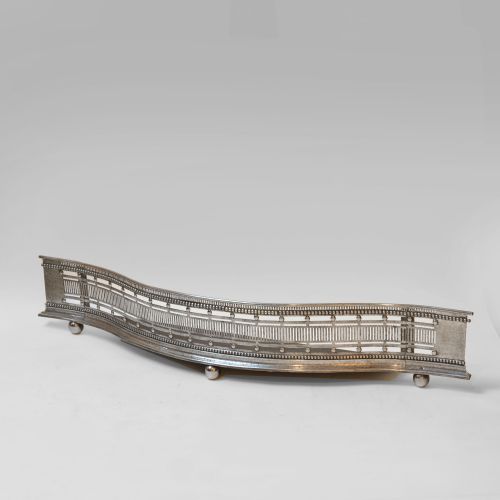
The calibre of a piece rests upon the crispness of its hand-forged details, such as the clean serpentine lines of an engraved steel fender or the precise chip carving on a foot stove.
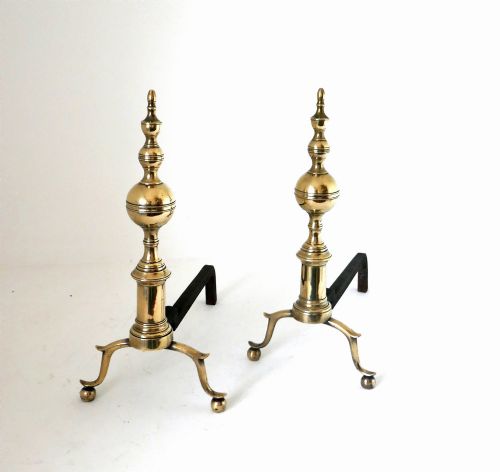
Substantial weight in cast brass pans, solid andirons, and heavy iron fire irons indicates a higher grade of utilitarian production meant for daily service in substantial houses.
The survival of original surfaces, including untouched red paint traces on oak salt boxes and unpolished patinated leather on fire buckets, separates superior examples from lesser pieces.
The 18th Century Hearth Glossary
- Trammel
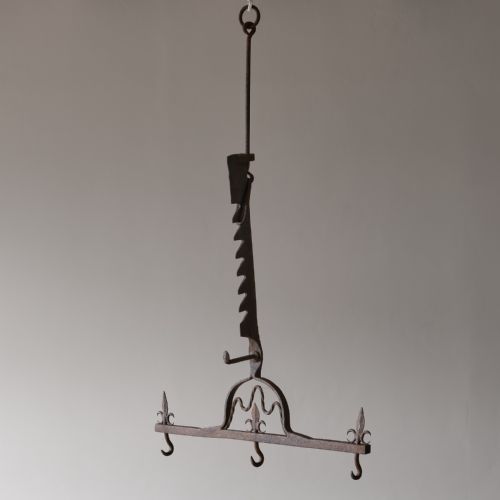
- An adjustable wrought iron hook hung inside a chimney to suspend pots and kettles at varying heights above the fire. This mechanical device allowed cooks to control cooking temperatures precisely.
- Footman
- A metal stand placed in front of the grate to keep food warm or heat water. These brass and steel accessories sat on small legs directly on the hearth floor.
- Fender
- A low metal guard placed around the hearth to contain ash and rolling embers. They were commonly fabricated from serpentine steel or perforated brass.
- Rush nip
- A small spring tool used to hold burning rushes for illumination. These simple iron items provided portable lighting before widespread candle use.
- Fire cat
- A rotating wooden or metal stand used to hold plates or kettles near the flames. Also known as a plate stand, it turned to warm items evenly.
18th Century Hearth: Frequently Asked Questions
What is a chimney trammel?
A chimney trammel is a hanging iron bar with notches that holds cooking pots over an open fire. It adjusted the height of the vessel depending on the heat required.
Blacksmiths forged these hooks to hang securely from internal chimney beams in early kitchens.
How were brass footmen used?
Brass footmen stood directly on the hearth floor right in front of the fire grate. People used them to keep kettles hot or toast bread.
Their sturdy metal tops and short legs kept cooking items close to the warmth without blocking the draught.
How do I identify Georgian steel fire irons?
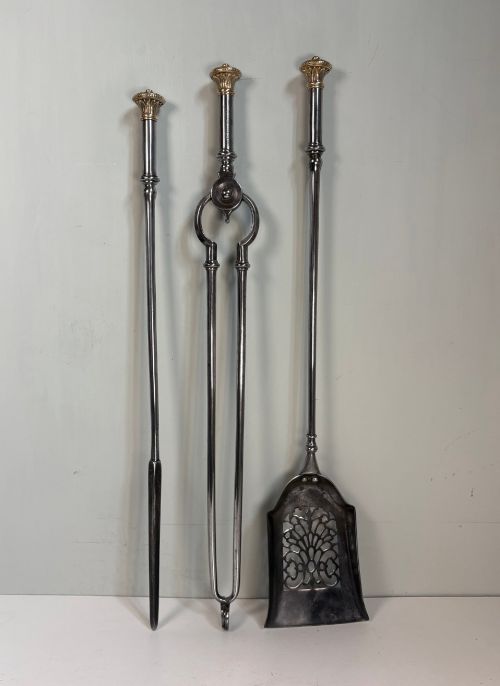
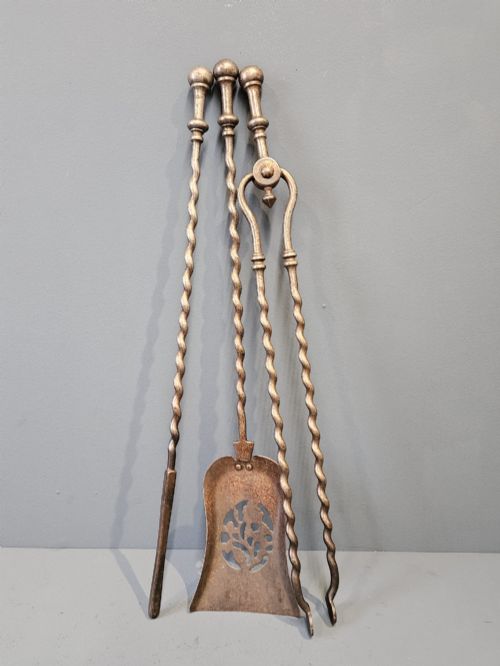
Georgian steel fire irons include pokers, tongs, and shovels featuring hand-forged shafts and matching handles. They were usually displayed together in sets on the hearth.
Quality sets show precise metal shaping without modern welding repairs, maintaining their original balance and weight.