




18th Century Gilt Bronze
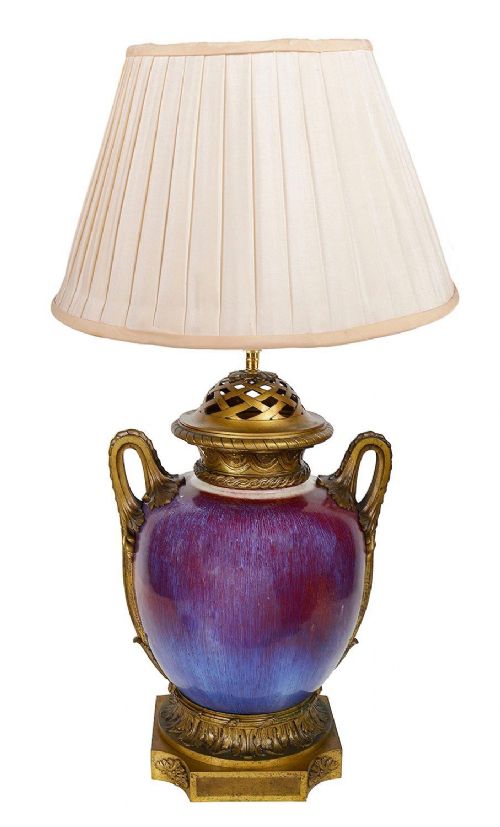
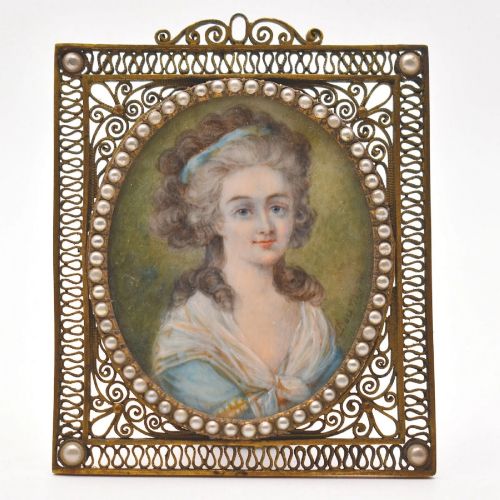
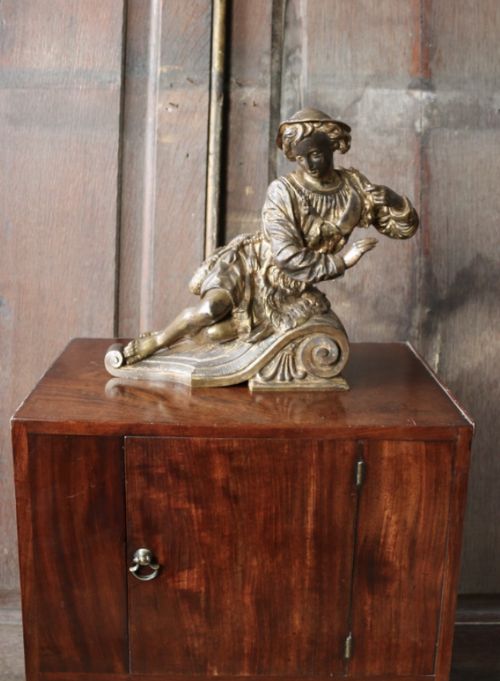
These pieces of 18th century gilt bronze bring together fine metal casting and decorative artistry, offering interiors a distinct tactile warmth and historic presence.
18th Century Gilt Bronze
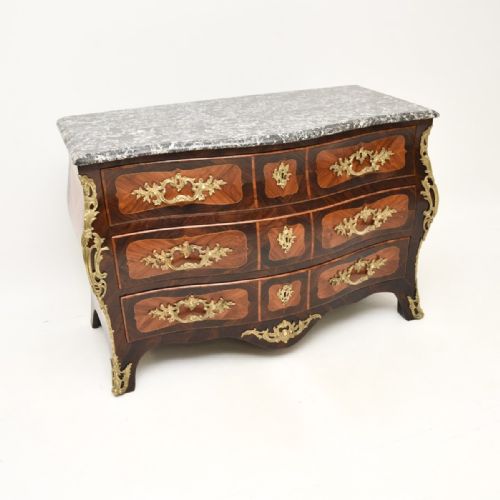
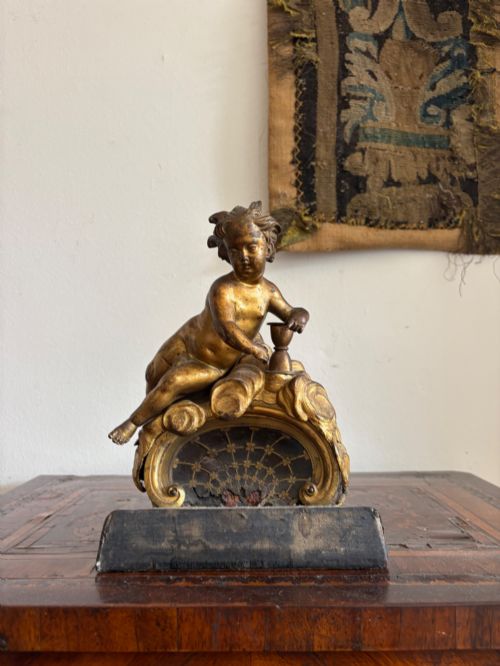
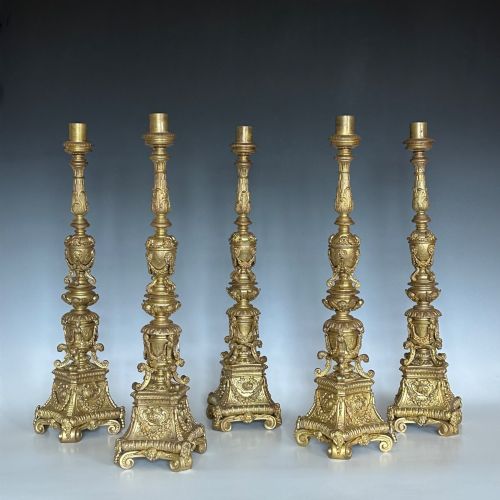
When searching for 18th century gilt bronze, collectors encounter an array of decorative objects including mantel clocks, candlesticks, mounted furniture and figurative sculptures. The selection reflects domestic refinement primarily through French Rococo, Louis XV, Louis XVI and Regence design sensibilities.
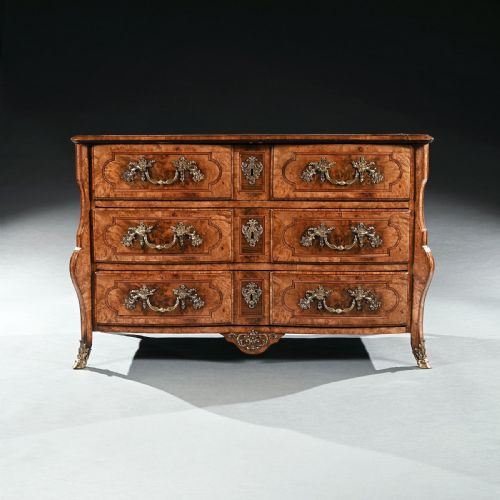
The objects frequently incorporate contrasting materials, pairing the gilded metal with porcelain, marble, glass or exotic timbers such as kingwood and tulipwood. Furniture mounts, wall sconces and desk accessories dominate the tangible forms available.
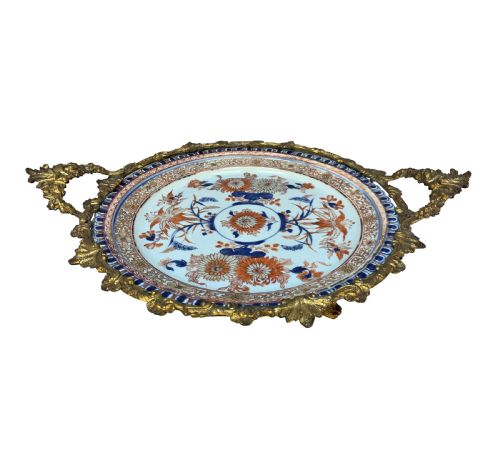
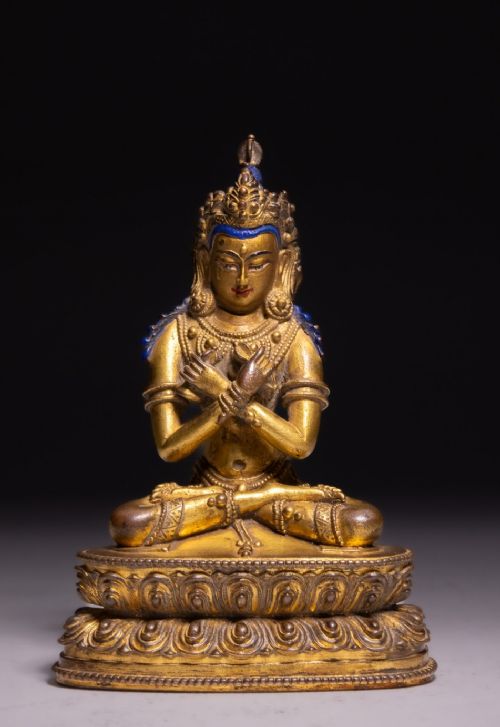
Beyond purely French creations, pieces demonstrate international exchanges through Chinese Imari and Arita porcelain mounted in European workshops, alongside Sino-Tibetan religious figures and Russian icons.
How they were made
The creation of these objects relied upon intricate bronze casting combined with the application of gold through mercury gilding, commonly known as ormolu. Artisans chased the cooled metal surfaces with fine chisels and punches to accentuate details before applying the gold amalgam and firing it.
Many items integrate structural wooden carcasses or stone elements like white marble and breche d'alep, joined to the bronze mounts with precise pins and screws. Porcelain bodies from factories such as Meissen and Sevres were similarly fitted with custom cast bronze bezels, handles and bases.
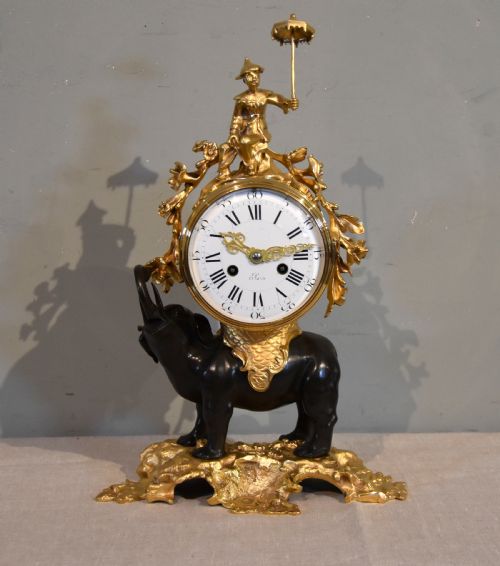
An elephant-form mantel clock stands among the metalwork, proving that historical timekeeping occasionally welcomed a touch of whimsical fauna.
What varies in quality
Quality rests significantly upon the crispness of the bronze chasing, where sharper, deeply articulated surface textures distinguish superior studio outputs from softer, secondary casts. The preservation and depth of the original gilding further separate standard utilitarian items from exceptional decorative commissions.
Jacques Bircklé·Thomas Hache of Grenoble·Pierre Gouthiere·Louis Goret
The 18th Century Gilt Bronze Glossary
- Ormolu
- A gilded bronze technique utilising a mercury and gold amalgam applied to cast bronze before heating. The method produces a rich, durable golden finish characteristic of decorative objects from the period.
- Commode
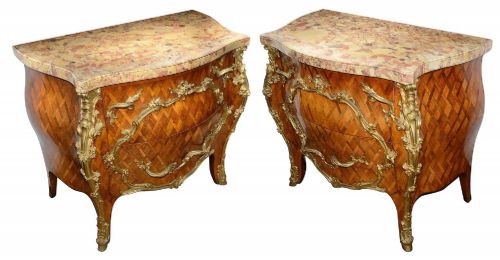
- A low chest of drawers, often featuring a marble top and extensive bronze or ormolu mounts. These pieces served as prominent display surfaces in formal rooms.
- Cartel clock
- A wall-mounted clock housed within an elaborate, symmetrical or asymmetrical bronze case. They combined mechanical utility with sculptural wall decoration.
- Bureau plat
- A freestanding writing desk fitted with a leather or wooden top and decorative bronze framing along the apron and legs. These desks originated in France and were designed to stand centrally within a room.
- Finial
- A decorative ornament that terminates the top of a clock, candelabrum or furniture piece. They were frequently cast in the form of foliage, urns or figural motifs.
18th Century Gilt Bronze: Frequently Asked Questions
How do I clean gilt bronze?
Gilt bronze surfaces require minimal intervention, generally needing only gentle dusting with a soft dry brush to prevent the accumulation of grime.
Harsh commercial metal polishes must be avoided entirely because abrasive action strips away the thin layer of historical gold.
Were these items purely decorative?
While many pieces functioned as sculpture or architectural ornaments, a large portion served practical domestic roles.
Candlesticks provided illumination, clocks tracked time, and commodes or desks offered storage and writing surfaces for affluent households.
How can I tell Louis XV from Louis XVI?
Louis XV pieces, often called Rococo, feature asymmetrical designs, sweeping C-scrolls, and naturalistic floral motifs without rigid geometry.
Louis XVI style shifts towards neoclassical symmetry, incorporating straight lines, architectural columns, swags, and classical urns.
Why are porcelain items mounted in bronze?
Imported Asian ceramics and European factory wares were prized luxuries that European patrons enhanced with custom cast metal mounts.
These additions elevated the status of the vessel while reinforcing vulnerable rims and bases against daily wear.