




18th Century Gentleman Painting
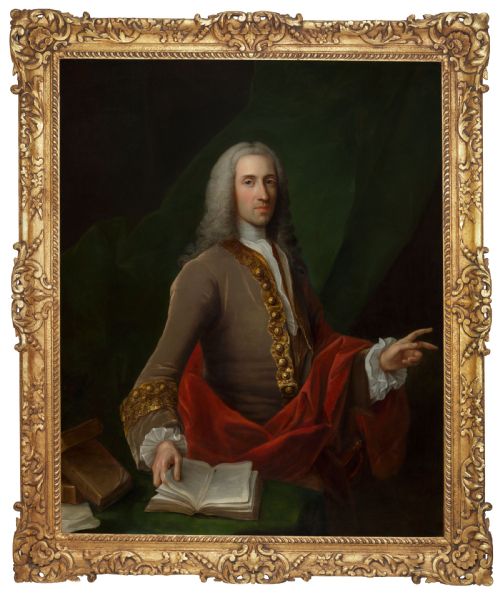
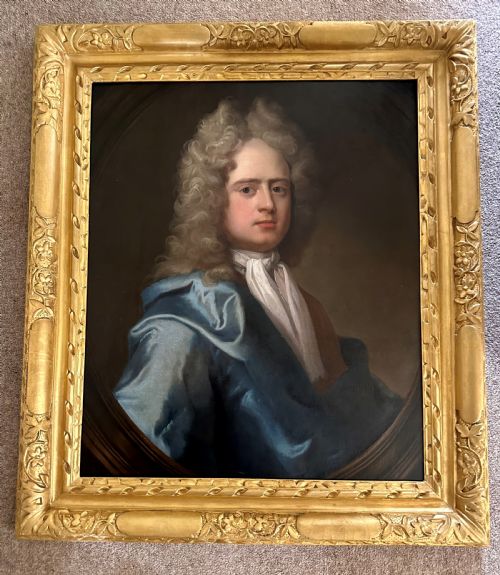
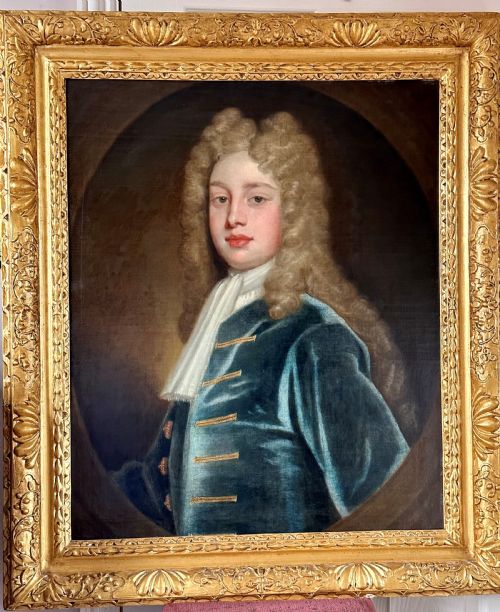
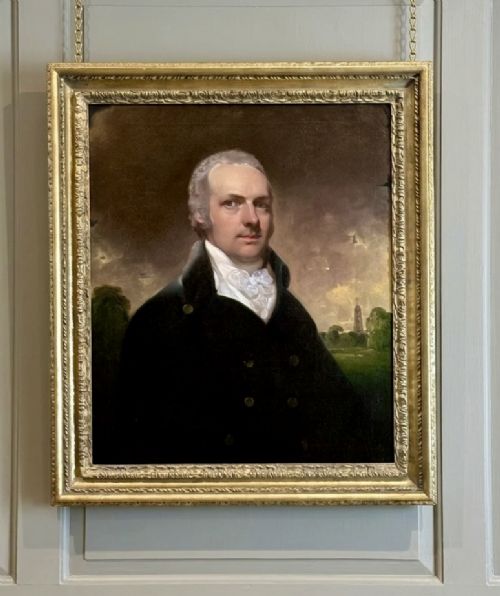
An 18th century gentleman painting captures the gravitas, status, and distinct attire of historical subjects through accomplished portraiture.
18th Century Gentleman Painting
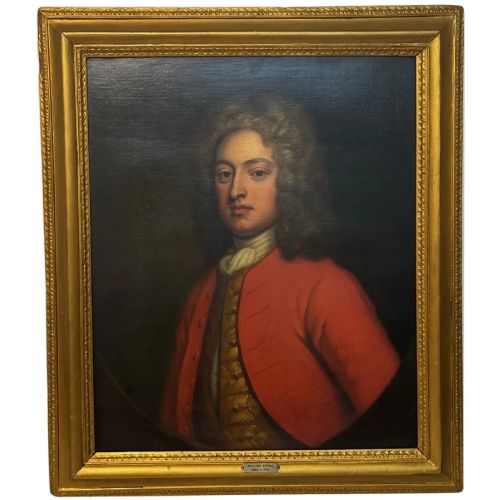
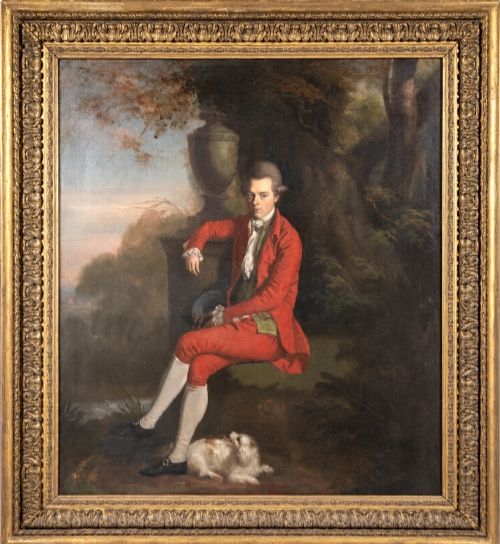
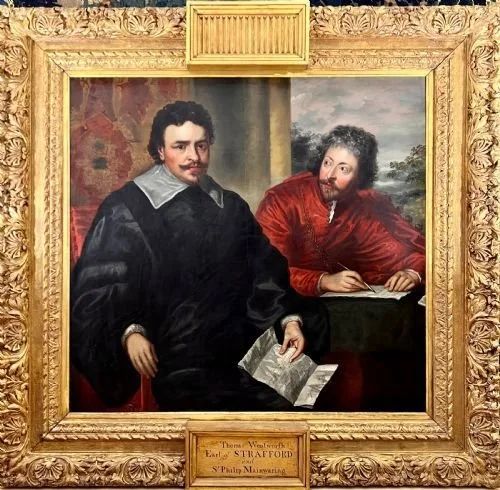
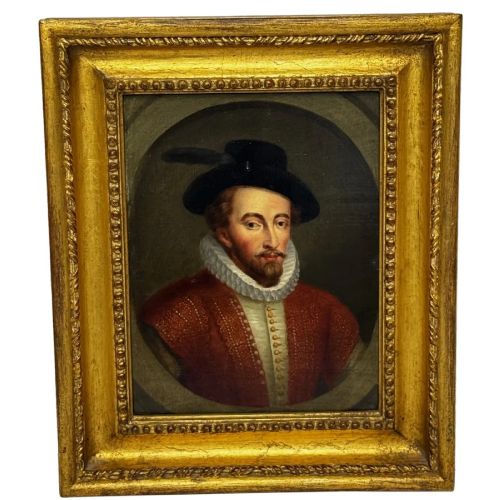
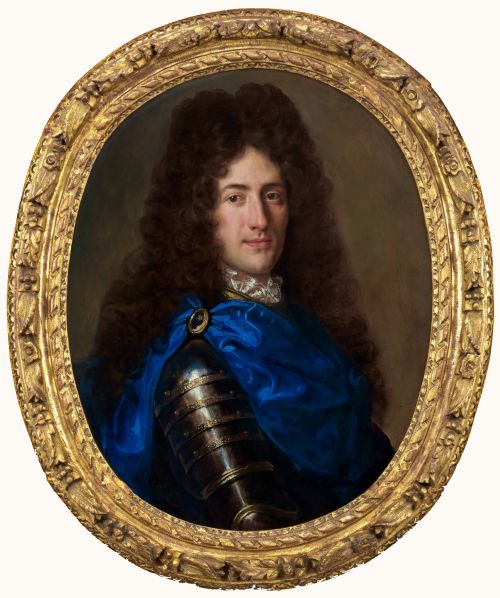
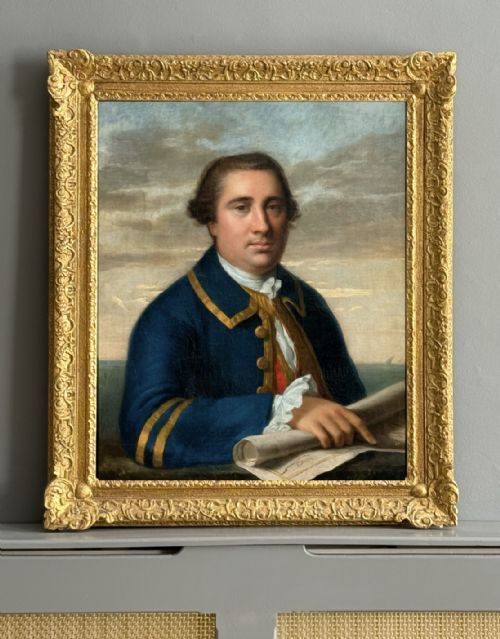
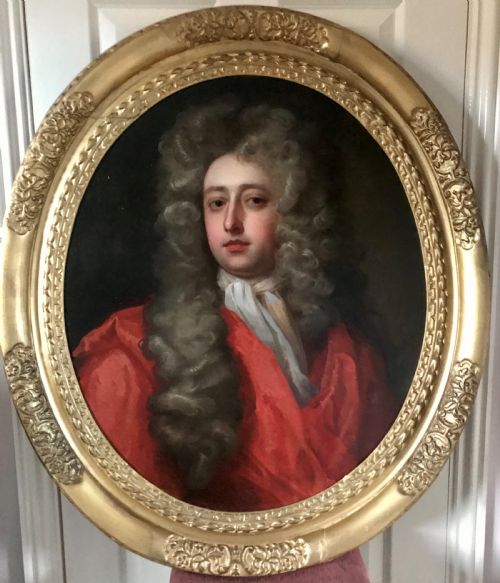
An 18th century gentleman painting typically presents a bust, half-length, or full portrait of a male sitter, recording the subject's social standing, profession, or intellect. These works often show sitters in contemporary dress such as velvet coats, armour, or academic robes, sometimes accompanied by indicative items like books, letters, pipes, or skulls.
The selections available range from formal grand manner compositions by documented British and European masters to unsigned works by regional English, Scottish, French, German, and Flemish schools. Alongside standard oil on canvas works, buyers will also encounter smaller portrait miniatures executed on delicate supports or housed within gilt metal stands.
How They Were Made
Artists built these portraits using oil paint applied to stretched canvas, occasionally utilising wood panels or copper supports for smaller formats like portrait miniatures. Pigments were layered to achieve depth in heavy garments, lace jabots, and flesh tones, frequently finished with protective varnish layers.
Frames played an integral role in presentation, with many surviving examples retaining ornate giltwood or carved wooden frames finished with gold leaf. Canvases were sometimes later lined or laid onto new panels during historic conservation to stabilise the aged fabric.
18th Century Gentleman Painting Retail Price Guide 2026
Typical asking prices for 18th century gentleman painting among the pieces listed under this phrase on Sellingantiques today, from the lower quarter to the upper quarter. They describe what is for sale here now, not the wider market.
The inventory records portrait paintings spanning the seventeenth, eighteenth, and nineteenth centuries, executed primarily in oil on canvas alongside intimate portrait miniatures.
What Varies in Quality
The standard of execution rests primarily on the anatomical accuracy of the hands and face, the finesse in rendering textile textures such as silk and velvet, and the psychological depth captured in the sitter's expression. Master works by named portraitists demonstrate superior brushwork and compositional balance compared to provincial or naive school output.
Condition and originality heavily influence the standing of a piece, particularly the survival of the original ground layer, minimal overpaint, and the retention of period-appropriate carved giltwood framing rather than later replacements.
Sir William Beechey·Charles Jervas·Jean-Baptiste Van Loo·Jeremiah Davison·Lemuel Francis Abbott·Sir Joshua Reynolds·Allan Ramsay·Francis Hayman·Michael Dahl·Thomas Hudson
The 18th Century Gentleman Painting Glossary
- Oil on Canvas
- A traditional painting medium where pigments bound in drying oil are applied to a woven fabric support. This method allowed artists to blend tones smoothly and build rich surface textures.
- Portrait Miniature
- A small, highly detailed portrait executed on a delicate scale, often intended for private viewing or personal wear. These were painted on materials such as vellum, ivory, or card.
- Giltwood
- Wood, typically carved timber or gesso-coated mouldings, decorated with gold leaf or metal powder. It is commonly found on the ornate frames encasing period portraits.
- Grand Manner
- An academic painting style used for portraiture that incorporated visual metaphors of status, classical backdrops, and elevated poses to convey the subject's heroic or noble qualities.
- Provenance
- The documented history of ownership surrounding an artwork from its creation to the present day. A clear provenance helps establish authenticity and attribution.
18th Century Gentleman Painting: Frequently Asked Questions
How do I identify the sitter?
Sitters are frequently identified by contemporary inscriptions on the canvas, stretcher bars, or accompanying documentation, alongside heraldic crests or family provenance.
Clues to their identity often appear within the picture itself, such as specific professional instruments, books, documents, or distinctive civilian and military attire.
Where should I hang these portraits?
These works suit traditional reception rooms, studies, or hallways where their dark, rich palettes and historic presence can anchor a room's interior design.
Position them away from direct sunlight and steady moisture sources to protect the ageing canvas, paint layers, and delicate giltwood frames.
What is naive style portraiture?
Naive portraits are works executed by self-taught or provincial artists who worked outside the formal conventions of royal academies and major art schools.
These pieces often feature charming perspective quirks and direct, unadorned representations of the sitter that appeal to collectors seeking authenticity over academic polish.
Why do some portraits show people in armour?
Portraits featuring ceremonial or pseudo-classical armour often conveyed the martial heritage, authority, or elevated social rank of the gentleman sitter.
Even during periods when functional armour was obsolete on the battlefield, it remained a popular artistic convention for projecting steadfastness and nobility.