


18th Century French Panels
These 18th century french panels bring authentic period texture and hand-worked detail to an interior, offering a direct link to historic European craftsmanship.
18th Century French Panels
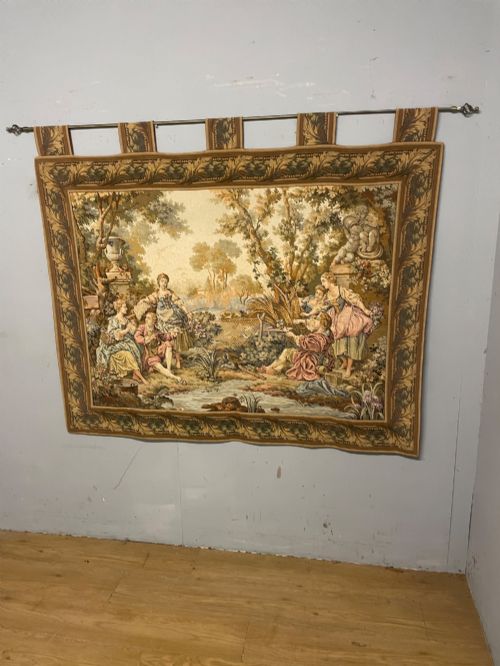
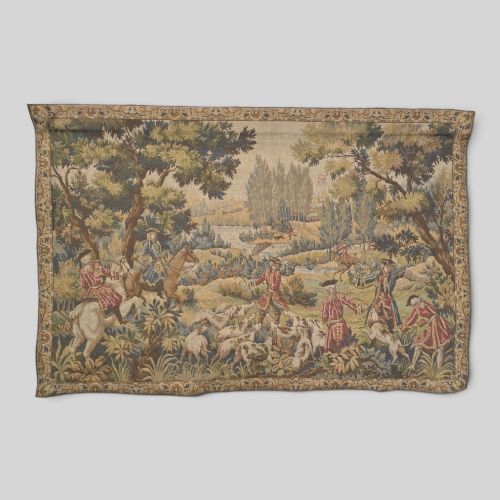
When searching for 18th century french panels, a buyer encounters a diverse group of items spanning woven textiles, painted wooden elements, and framed needlework. The selection reflects both formal chateau interiors and simpler provincial spaces, bringing historical depth to interior walls.
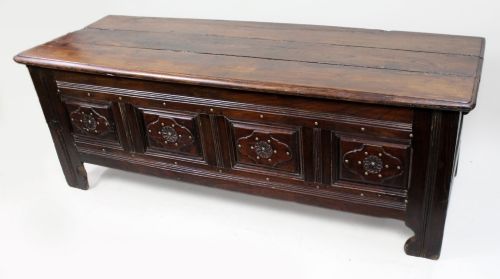
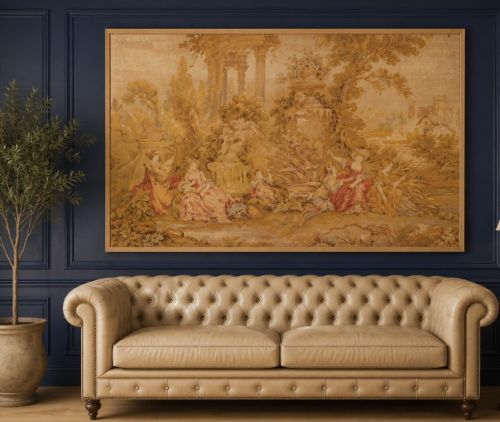
The most common versions on this page include woven tapestry fragments, carved wooden architectural pieces, and delicate needlework panels mounted for display. Many pieces originate from the broader 18th century, though examples stretch into surrounding periods through stylistic continuity.
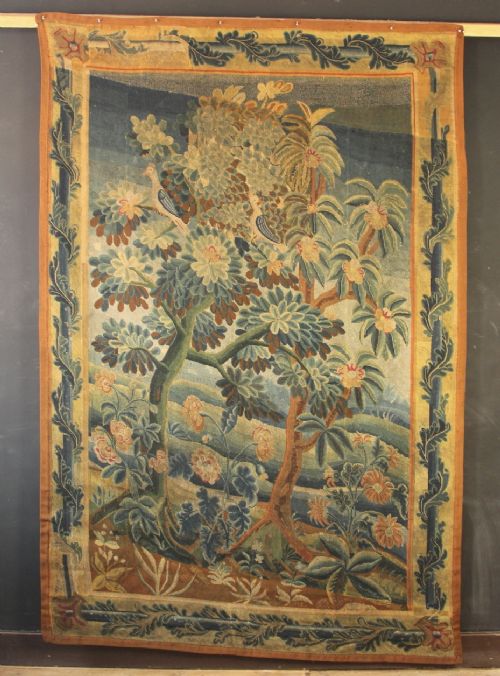
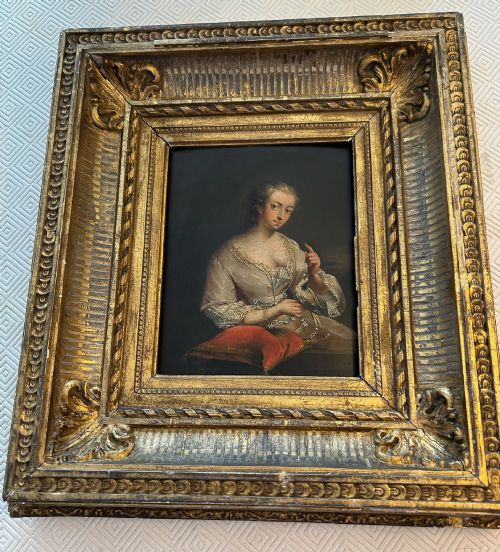
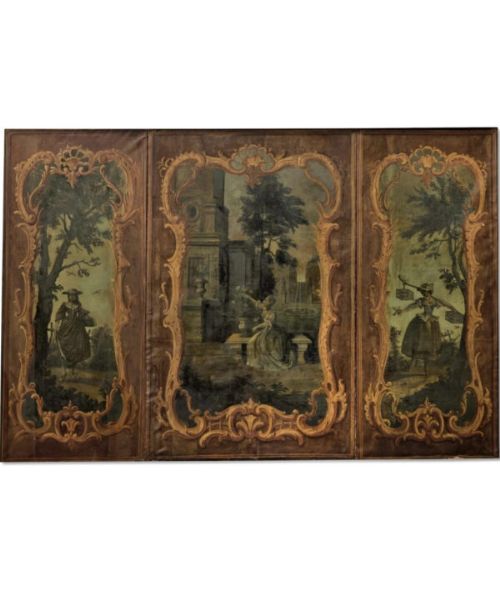
Objects range from large verdure wall hangings to smaller painted panels and framed silk textiles. Each piece serves as a decorative focal point, retaining the marks of hand production and traditional European workshop methods.
How they were made
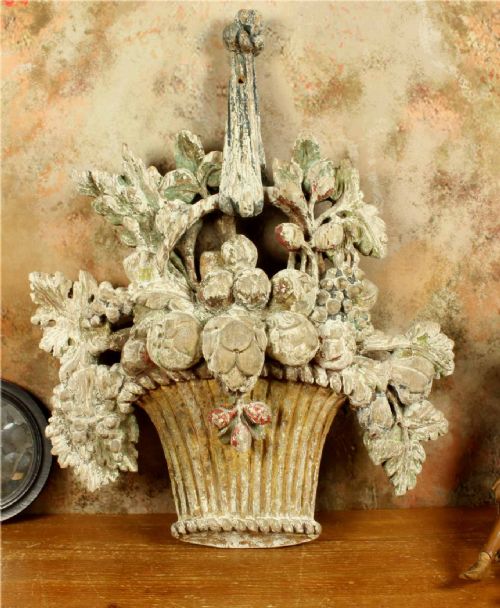
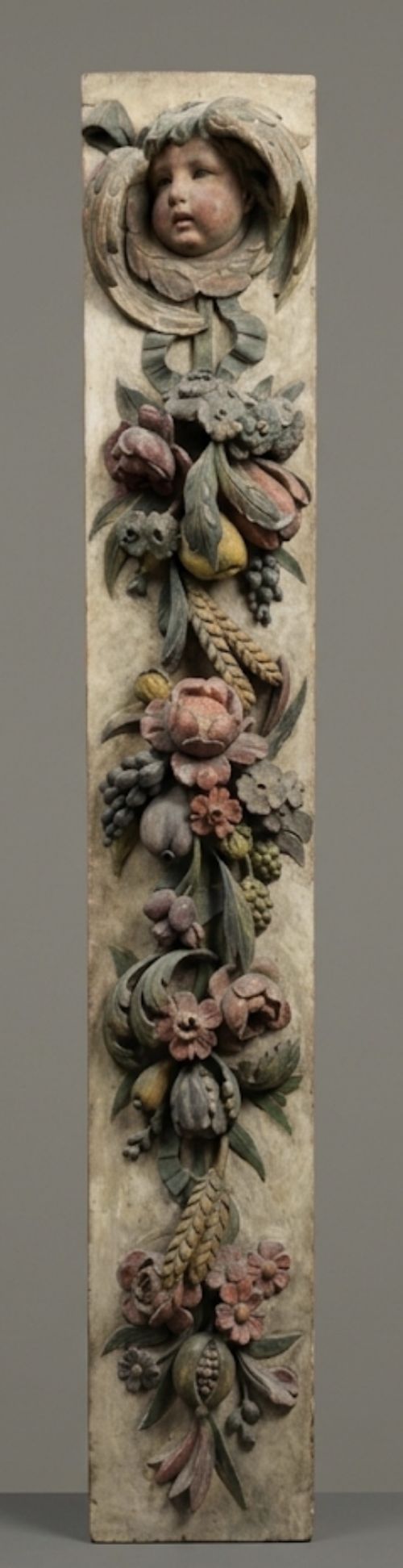
Makers utilised natural materials such as oak, walnut, silk, wool, and canvas, combining structural woodwork with textile arts. Wooden panels were hand-carved, often with polychrome or gilded finishes, while textile pieces involved intricate needlework, silk lampas weaving, or high-warp tapestry techniques.
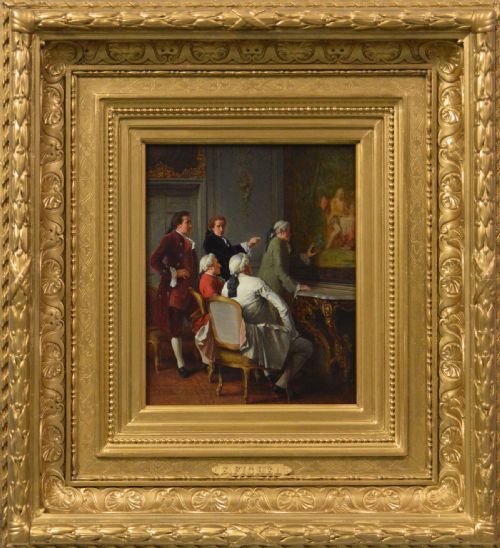
Workshops employed specialised techniques like ciselé velvet cutting and oil painting on copper or canvas to achieve rich surface textures. The integration of textile panels into wooden frames or furniture demonstrated a high level of artisanal skill across both rural and urban centres.
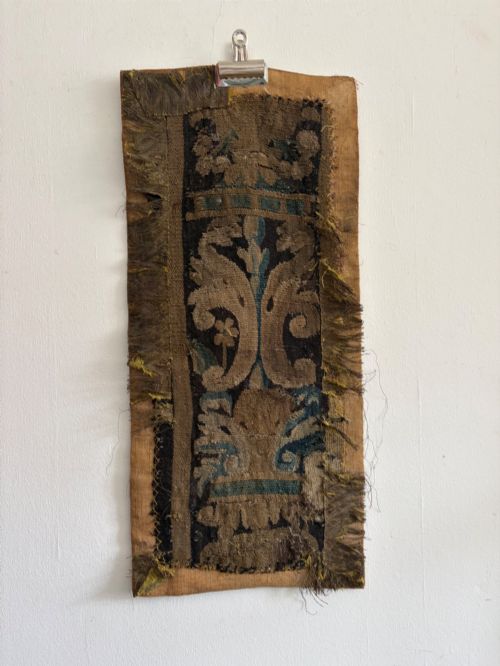
A few stubborn threads still cling to the linen mounts, quietly whispering secrets of forgotten French drawing rooms.
What varies in quality
The distinction between tiers of quality rests on the fineness of the hand-carving, the complexity of the textile weave, and the preservation of original pigments or surface finishes. Superior pieces display crisp detail in wooden reliefs and sophisticated colour palettes in needlework and tapestries.
Condition and originality play major roles in the standing of an item, particularly regarding the integrity of mounted textile fragments or the untouched nature of historic painted surfaces. Greater mastery by the original artisan translates into more convincing proportions and more harmonious composition.
The 18th Century French Panels Glossary
- Verdure tapestry
- A woven wall hanging dominated by botanical and landscape motifs, often featuring foliage, trees, and small animals. These pieces typically utilise green and earth-toned wools and silks.
- Ciselé velvet
- A velvet fabric featuring a pattern created by contrasting cut and uncut pile loops. This technique produces a textured, relief-like surface on a silk ground.
- Needlework panel
- A hand-stitched textile piece created using wool or silk threads on a canvas or linen backing. They frequently depict pastoral scenes, floral arrangements, or figurative subjects.
- Lampas
- A complex woven textile technique featuring a pattern-weft that creates decorative designs against a ground weave. It was frequently utilised for luxurious wall hangings and upholstery.
- Polychrome
- The practice of decorating surfaces in a variety of colours. In panel construction, this applies to carved wood or plaster elements finished with multiple painted pigments.
18th Century French Panels: Frequently Asked Questions
How were these panels originally displayed?
Many of these items functioned as architectural wall elements, overdoor decorations, or portable tapestries hung within chateaux and provincial homes. They insulated stone walls and added visual warmth to large rooms.
Over time, textile fragments and carved wooden sections were mounted, framed, or integrated into later furnishings to preserve their decorative qualities for modern display.
Are these panels suitable for modern interiors?
These pieces integrate well into contemporary spaces by providing tactile contrast against plain plastered walls. Their muted historic palettes complement both traditional and minimalist interior schemes.
Due to their textile or wooden composition, they require placement away from direct sunlight and excessive moisture to preserve the original materials.
How do I distinguish needlework from woven tapestries?
Needlework is created by hand-stitching thread through an existing canvas or linen ground, resulting in a textured surface where individual stitches remain visible upon close inspection. The maker builds the image stitch by stitch.
In contrast, woven tapestries are produced on a loom where warp and weft threads interlace simultaneously to form both the structure and the picture. The design is an integral part of the fabric weave itself.
What indicates provincial French origin?
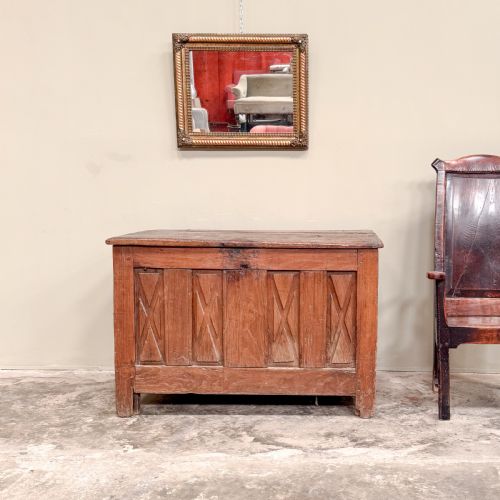
Provincial pieces typically feature simpler construction methods, heavier native timbers like oak or walnut, and more rustic decorative motifs compared to urban workshop output. The carving and painting often reflect local rural traditions rather than court styles.
These items were made for practical use in regional houses, resulting in sturdy forms that prioritize utility alongside decorative appeal.