

18th Century Fireside Chair
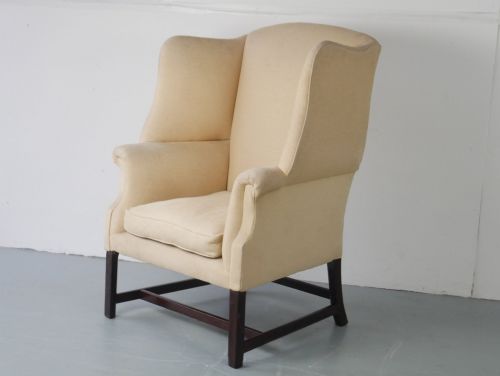
An 18th century fireside chair is a traditional seat built to block cold draughts and provide comfort near the hearth.
18th Century Fireside Chair
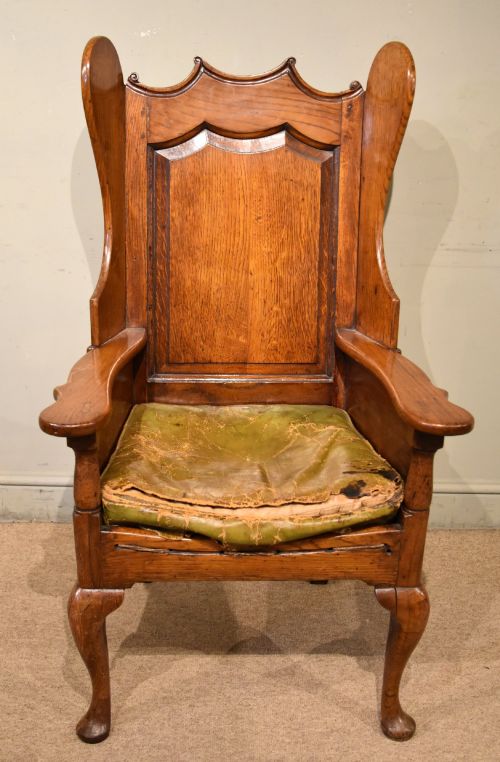
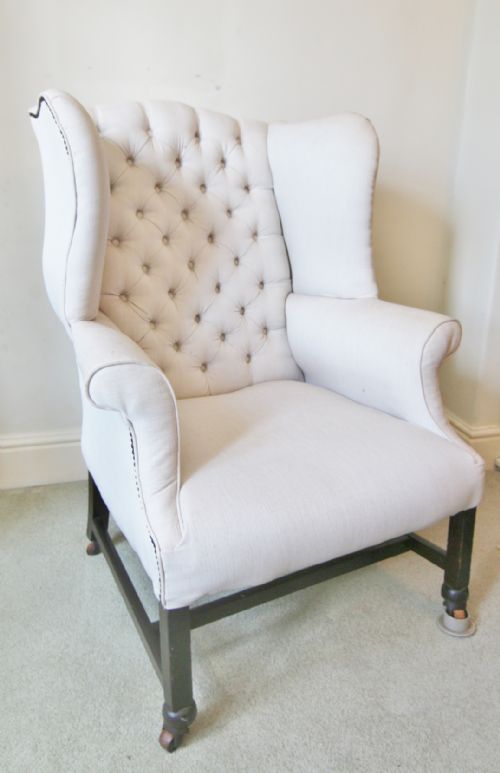
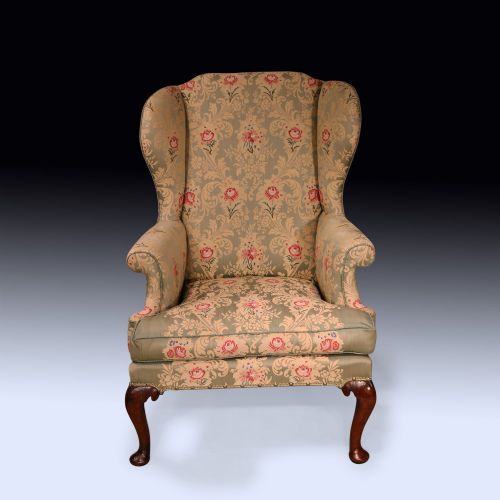
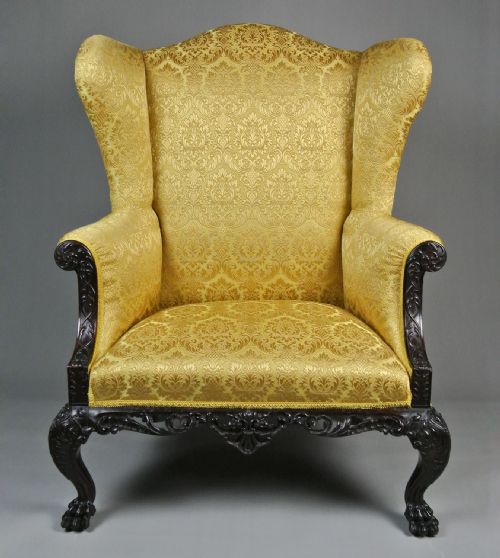
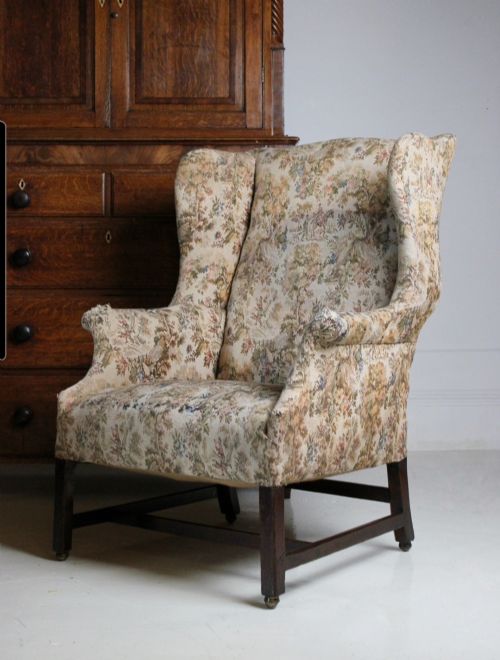
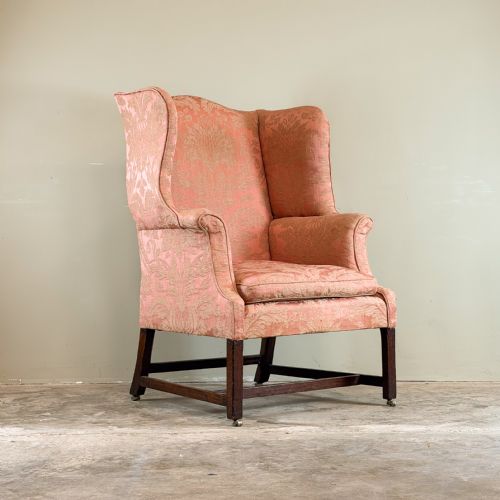
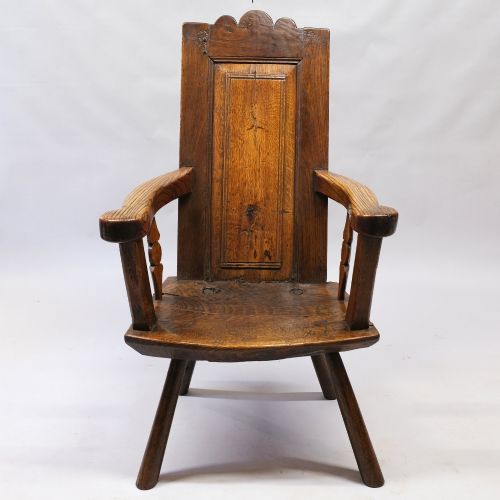
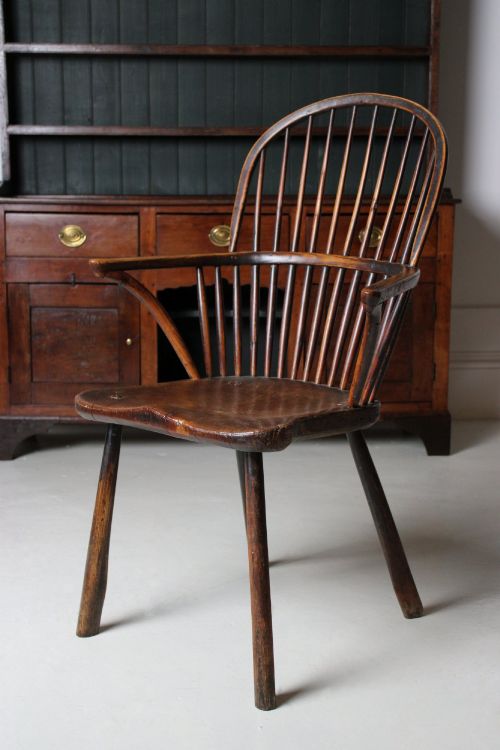
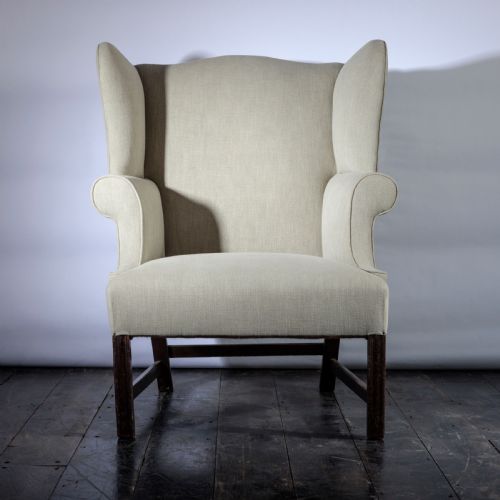
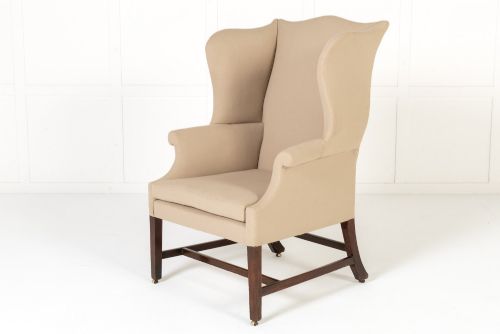
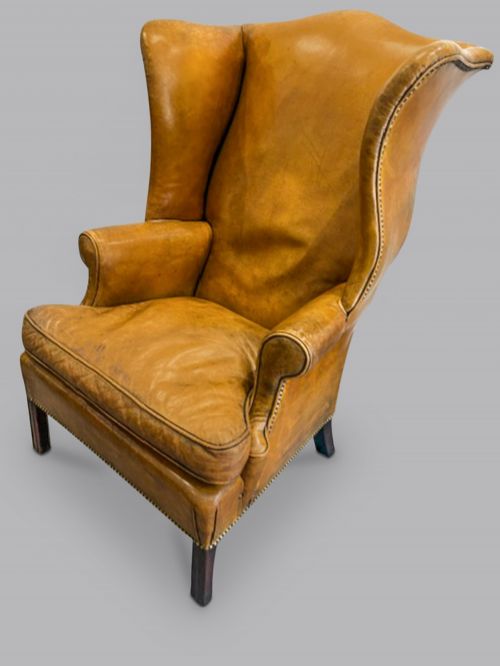
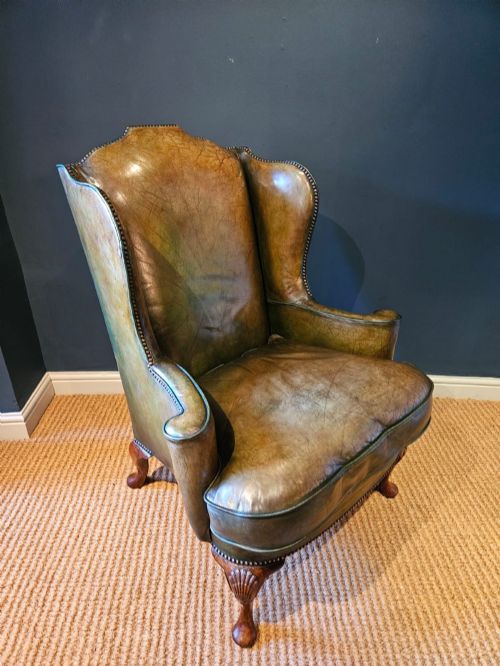
When you search for an 18th century fireside chair, you encounter a selection of heavy armchairs, wingbacks, lambing chairs and Windsors designed for domestic warmth. These seating forms developed during the Georgian era to shelter occupants from hearth draughts.
The pieces on this page span the 18th century into the 19th century, drawing on Georgian, French provincial and English country vernacular traditions. Wing chairs and comb-back Windsors dominate the selection, alongside rarer lambing chairs and drunkards chairs.
Regional variations appear across English country designs, particularly through Thames Valley Windsor forms and vernacular oak framing. These pieces served functional domestic roles in parlours and beside farmhouse fireplaces.
How they were made
Cabinet makers and vernacular joiners utilised solid hardwoods such as mahogany, oak, elm, ash, walnut and yew. Frames were constructed using pegged mortise and tenon joints to withstand heavy daily use.
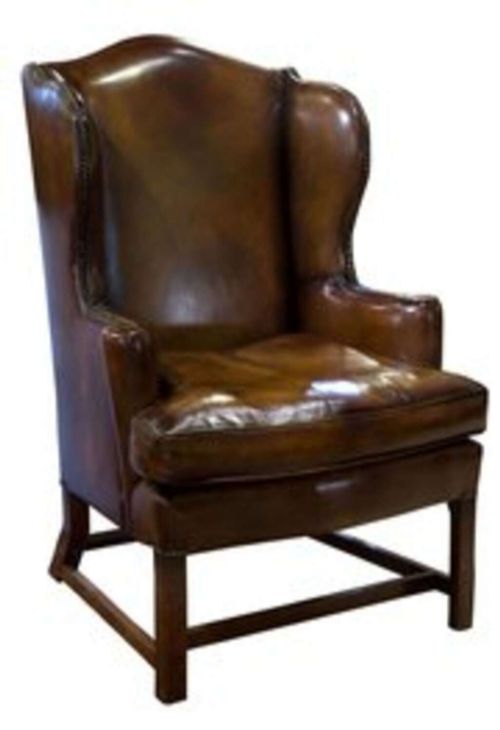
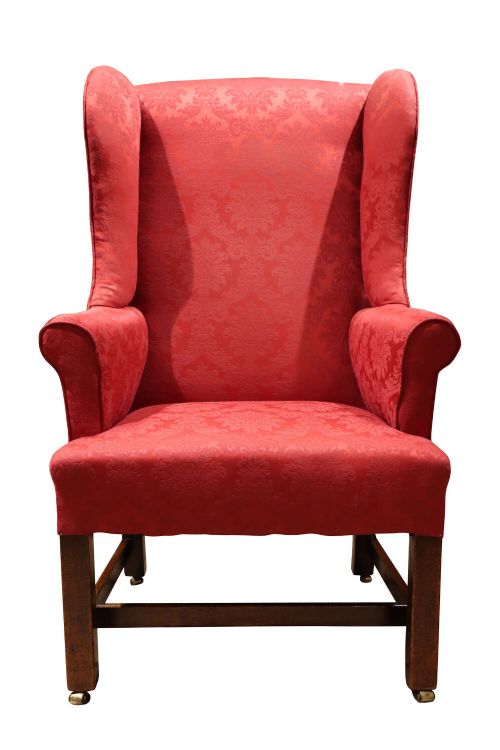
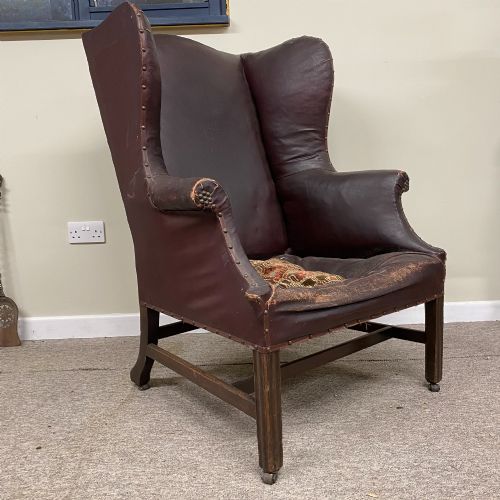
Upholstered wing chairs employed webbing and stuffing beneath coverings of leather, damask, velvet and wool fabric. Brass head nails frequently secured the edges of the hide or textile upholstery.
Windsor and ladder-back forms relied on turned spindles and bentwood elements, combining dense timbers like elm seats with ash or yew superstructures.
18th Century Fireside Chair Retail Price Guide 2026
Typical asking prices for 18th century fireside chair among the pieces listed under this phrase on Sellingantiques today, from the lower quarter to the upper quarter. They describe what is for sale here now, not the wider market.
Listings feature mahogany, oak, elm, ash, walnut and yew timbers, combined with leather, damask, velvet and fabric upholstery.
What varies in quality
The refinement of the timber carving and the architectural balance of the wings and arms dictate the tier of craftsmanship. Pieces executed in the Irish manner or featuring hipped cabriole legs demonstrate greater ambition from the maker.
The integrity of the original frame construction and the survival of secondary timbers like oak or ash backing determine the physical pedigree. Chairs retaining their early leather or period upholstery retain a distinct historical weight over later restorations.
The 18th Century Fireside Chair Glossary
- Wingback
- An armchair featuring protective side panels designed to trap heat from the fire and block room draughts.
- Lambing chair
- A vernacular seat, often fashioned from solid oak or elm, featuring a high hooded back and enclosed sides.
- Windsor chair
- A wooden seating form with a saddle-shaped solid seat into which the legs and back spindles are directly fitted.
- Cabriole leg
- A furniture leg that curves out at the knee and tapers inward to an ankle, characteristic of Georgian design.
- Drunkards chair
- A specialised armchair with a wider seat base developed during the 18th century.
18th Century Fireside Chair: Frequently Asked Questions
What is an 18th century fireside chair?
These pieces are historical seating forms built to offer comfort and protection from cold draughts near a fireplace.
They encompass upholstered wingbacks, wooden Windsor chairs, and enclosed lambing seats originating from the Georgian period and vernacular traditions.
How were fireside chairs used?
Occupants placed them close to hearths in parlours, libraries, and farmhouses to trap warmth around the head and shoulders.
Enclosed wings and hoods stopped cold air from reaching the sitter while they read, worked, or rested.
How do I live with an 18th century fireside chair?
Integrate these seats into a living room or study where their wooden frames and traditional upholstery can be appreciated.
Protect leather and fabric surfaces from direct heat sources and sunlight to preserve the historical materials.
How do I tell periods apart?
Look at the turning of the wood, the shaping of the cabriole legs, and the construction methods used in the frame.
Early pieces often display vernacular oak joinery, while later Georgian examples feature mahogany frames with sophisticated leg styles.