
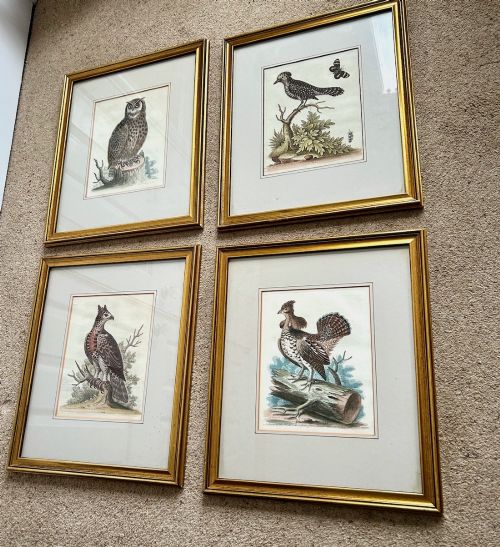


18th Century Engraving Set
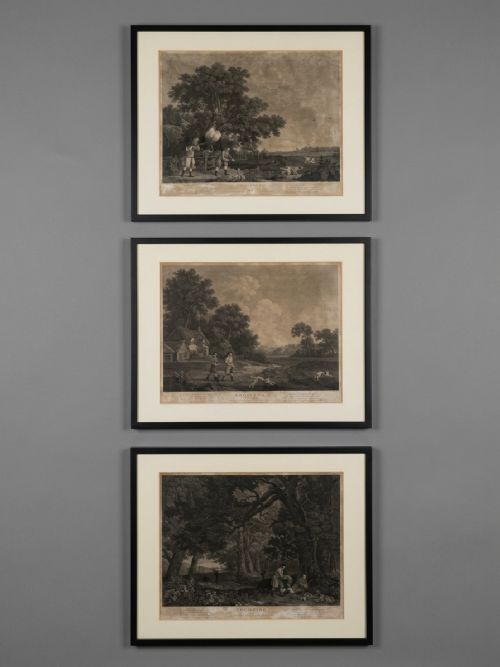
An 18th century engraving set brings together period prints on paper, offering structured visual narratives from natural history, portraiture and classical design.
18th Century Engraving Set
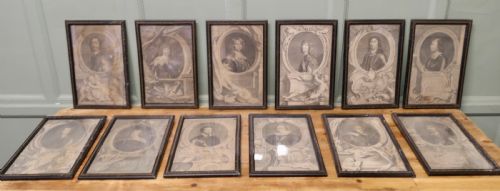
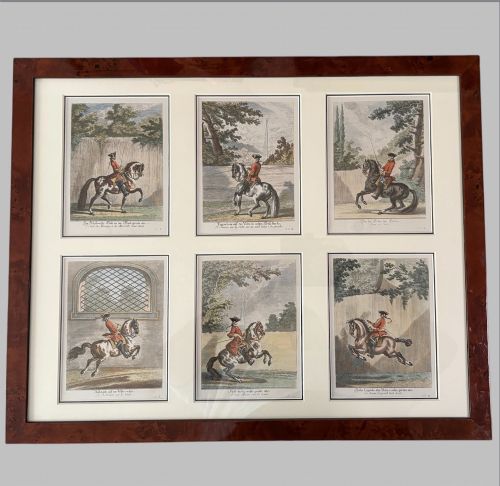
When you search for an 18th century engraving set, you encounter multi-plate series produced during the Georgian era, often bound together originally or gathered as uniform suites. These groupings frequently focus on natural history, such as birds, fish and anatomical studies, or cultural subjects including classical figures, equestrian scenes and historical portraits.
The sets on this page span complete sequences of twelve or smaller groupings of three or four framed prints, reflecting how publishers and collectors organised copperplate impressions. The paper bears the tactile weight and tone characteristic of the period, housed largely in contemporary or later framing that preserves the ink lines.
Factors influencing quality
Quality in an 18th century engraving set depends heavily on the crispness of the plate impression and the completeness of the original series. Early strikes from a copper plate yield sharp, fine lines, whereas later impressions can appear softened as the metal wears down from repeated pressings.
The precision of the hand colouring and the preservation of the paper margins further distinguish superior sets. Examples retaining full margins and vibrant, contemporary pigment show greater fidelity to the original publication standard than trimmed or heavily faded counterparts.
Some sets meticulously document human skeletons and muscles alongside exotic birds and historical royalty.
Jacobus Houbraken·George Edwards·Eleazor Albin·Jan Wandelaar·Charles Paillasson
The 18th Century Engraving Set Glossary
- Engraving
- A printmaking process where an artist cuts lines directly into a copper plate using a burin. The resulting incisions hold the ink for transfer under pressure.
- Mezzotint
- A tonal printmaking method allowing intermediate shades between light and dark by roughening the metal plate with a rocker. This technique creates rich, velvety dark areas.
- Stipple
- An engraving technique utilising dots of varying density to model form and shadow. It produces soft tonal transitions favoured for portraits and decorative subjects.
- Laid paper
- Paper manufactured with a visible grid of parallel lines from the wire mesh of the mould. It serves as a primary indicator of age in works from this period.
- Plate mark
- The indentation left in the paper by the edges of the copper plate during the printing press run. Its presence confirms the authenticity of a traditional intaglio print.
18th Century Engraving Set: Frequently Asked Questions
How were these sets originally published?
Publishers issued these plates as bound volumes, subscriber portfolios or loose plates intended for individual framing.
Collectors often broke bindings later to display matching series on walls, which explains why sets survive in varying sizes.
Are all sets hand coloured?
Many natural history and equestrian suites received meticulous washes of watercolour by studio assistants shortly after printing.
Monochrome impressions remain common for portraiture and architectural plates, where line work alone carried the visual detail.
How should I display antique paper prints?
These works require hanging away from direct sunlight to prevent the fading of both ink and organic pigments.
Using acid-free mounts and UV-protective glass safeguards the fragile paper against environmental degradation over time.
How can I tell an 18th-century print from a later reproduction?
Examine the paper surface under magnification to check for plate marks and the characteristic texture of period laid or woven paper.
Photomechanical dot patterns indicate modern printing processes, whereas genuine period prints show genuine ink displacement within the paper fibres.